Is the Sunset District Foggy?
If you've spent time in San Francisco, you've heard it: "The Sunset is always foggy." But is that actually true? The answer is more nuanced than the reputation — and understanding it helps buyers make an informed decision about living in one of the city's most distinctive coastal neighborhoods.
The Quick Answer
Yes — the Sunset is one of San Francisco's foggiest neighborhoods, especially the Outer Sunset near Ocean Beach, where the summer marine layer ("June Gloom" and "Fogust") is strongest. Fog usually rolls in overnight, lingers through the morning, and clears by afternoon. The Inner Sunset, east toward Golden Gate Park, burns off sooner and runs a few degrees warmer.
Why the Sunset District Gets Fog
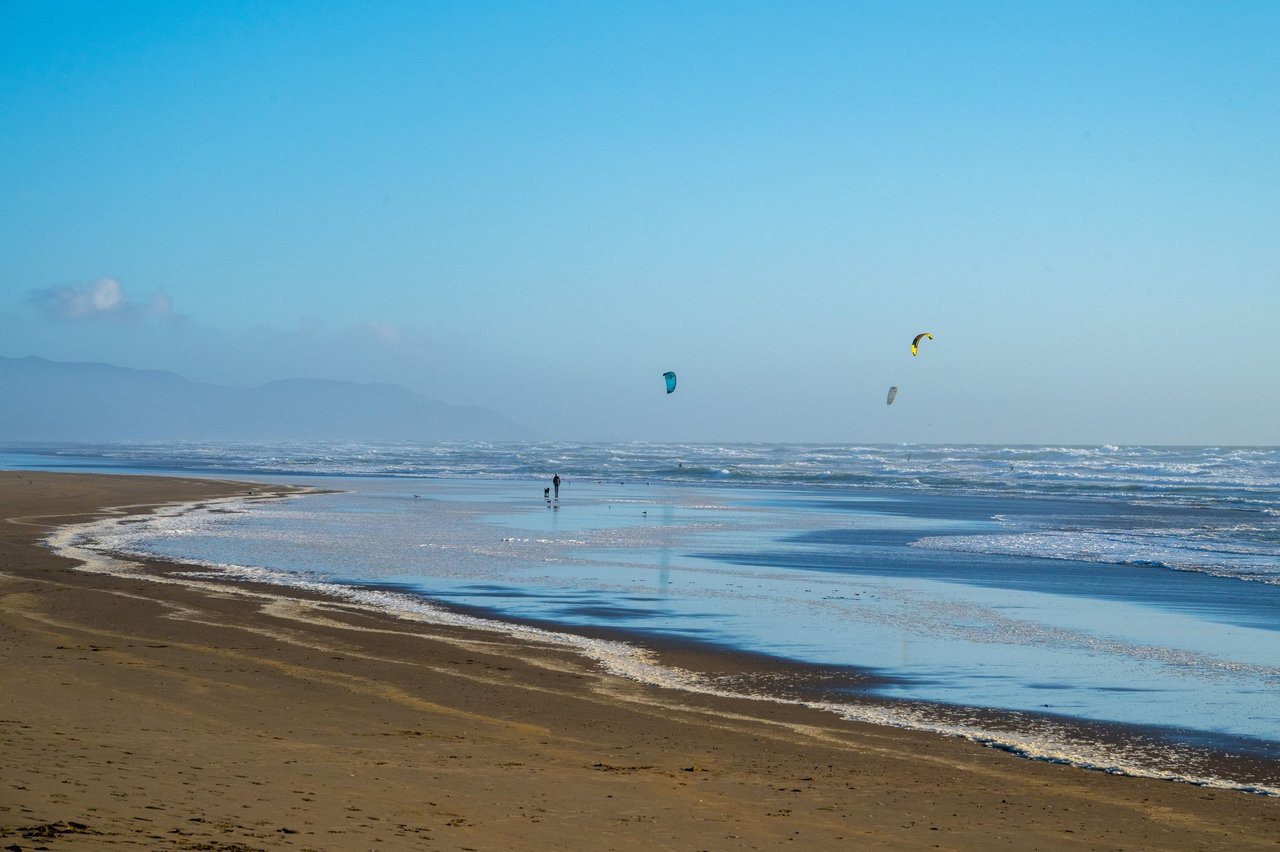
The Sunset sits directly along the Pacific Ocean, with Ocean Beach forming its western edge. The marine layer — cool ocean air meeting warmer inland air — naturally produces coastal fog. That fog tends to:
- Roll in during the late evening or overnight
- Linger through the morning hours
- Clear later in the afternoon
- Be more persistent in late spring and summer
The pattern commonly called "June Gloom" and "Fogust" is strongest along the western edge of the city — especially the Outer Sunset, but also along San Francisco's southern edge in areas like Ingleside and Oceanview.
Outer Sunset vs. Inner Sunset
Not all parts of the Sunset experience the same weather. The difference isn't dramatic, but it's noticeable.
Outer Sunset
Homes closest to Ocean Beach and the Great Highway see more consistent marine-layer coverage. Summer mornings can feel misty, and afternoons often stay cooler than neighborhoods east of 19th Avenue.
Inner Sunset
As you move east toward Golden Gate Park and beyond, fog typically burns off sooner and temperatures rise slightly. Sunnier, on average, than the blocks near the beach.
A Personal Perspective from 48th Avenue
Field note · lived on 48th Ave
I lived on 48th Avenue for years and slowly renovated a home that needed significant work. One of the more interesting experiences involved our yard. It was in rough shape — and if you looked at the "donut" of backyards inside our block, most of them were too. It almost felt like the collective assumption was: why invest in a yard when it's always foggy?
I decided to fix it anyway. I wanted to take advantage of the beautiful days we do get in the Outer Avenues. When I started, I sometimes wondered if neighbors were quietly thinking, "Why bother? You're never going to use it."
But here's the thing about life by the beach: it's mercurial. Out of nowhere, the fog would clear, the clouds would part, and suddenly it was warm, bright, and genuinely beautiful. Those were the days we were grateful to have a yard. The same was true in the water — I'd paddle out in mediocre surf, only to watch it unexpectedly clean up. For an hour or two, it would be magical.
Life along the coast isn't static. It shifts. And when it opens up, it can be truly extraordinary.
Is Fog a Negative?
For some buyers, fog is a drawback. For many residents, it's part of the neighborhood's identity. The upsides:
- ✓Mild summer temperatures — the Sunset rarely overheats the way Noe Valley or the Mission can
- ✓Fewer extreme heat days
- ✓Soft coastal light
- ✓Dramatic post-fog sunsets
- ✓A quieter, slower rhythm of life
How Fog Impacts Real Estate
Weather is part of lifestyle, and lifestyle shapes buyer demand. In the Sunset, buyers tend to value:
- Proximity to Ocean Beach
- Access to Golden Gate Park
- Walkability to neighborhood cafés
- The coastal environment itself
Homes directly along the Great Highway, particularly in the Outer Sunset, often attract buyers specifically seeking that ocean-oriented lifestyle. Understanding the microclimate helps buyers set realistic expectations and focus on what makes the area special. For a recent example of how a Great Highway property is positioned and presented, see 1738 Great Highway – Outer Sunset Coastal Opportunity.
Your home · Oliver Burgelman
Thinking about buying or selling in the Sunset?
Whether you're weighing a move to the neighborhood or wondering what your Sunset home would sell for today, get a straight read from a broker who works these blocks — fog and all.
Oliver Burgelman · San Francisco & Marin broker · 23+ years · 300+ transactions · $350M+ sold
The Bottom Line
Yes, the Sunset District experiences more fog than much of San Francisco, especially in the Outer Sunset near the ocean. But fog is not the whole story. Life by the beach can be unpredictable — and also unexpectedly warm, beautiful, and even magical. For many residents, that tradeoff is exactly the point.
For a deeper look at the lifestyle, amenities, and real estate trends in the area, explore the guide to living in the Outer Sunset.
Frequently Asked Questions
Is the Sunset District always foggy?
No. The Sunset is one of San Francisco's foggiest neighborhoods, but it isn't foggy all the time. Fog is most persistent in late spring and summer ("June Gloom" and "Fogust"), typically rolling in overnight and clearing by afternoon. Fall often brings some of the year's clearest, warmest days along the coast.
Is the Outer Sunset foggier than the Inner Sunset?
Yes. Homes closest to Ocean Beach and the Great Highway in the Outer Sunset see the most consistent marine-layer coverage. As you move east toward Golden Gate Park into the Inner Sunset, fog burns off sooner and temperatures run a few degrees warmer.
Which months are foggiest in the Sunset?
Late spring through summer — roughly June through August — is the foggiest stretch, driven by the summer marine layer. September and October are often the sunniest and warmest months near the beach.
Does fog affect Sunset home values?
The microclimate shapes buyer preference more than it caps value. Some buyers seek out the cooler, ocean-oriented lifestyle of the Outer Sunset, while others prefer the sunnier Inner Sunset. Both areas hold strong demand; what matters most is matching the block's microclimate to how you actually want to live.