
Selling Your Home in San Francisco & Marin: The Complete Guide
Pricing, prep, and costs: selling a home in San Francisco or Marin.
Selling a home in San Francisco or Marin typically takes two to four months from the decision to list through close of escrow: one to three months of preparation, then roughly 30 to 45 days of escrow once an offer is accepted. Total seller costs land between 6 and 9 percent of sale price before any preparation. The single biggest determinant of the final number is not the month you list, but how well your home is priced, prepared, and marketed when it does. This guide walks every decision in that sequence, with the things most agents won't say first.
Key takeaways
- Preparation and pricing outweigh timing. The strongest months matter less than whether your home is ready and competitively positioned when it lists.
- Total seller costs run 6 to 9 percent of sale price before prep. Commission, transfer taxes, title insurance, and escrow fees, plus the preparation work that comes on top.
- The right preparation routinely returns its cost several times over. Most sellers underspend on prep and overspend on aspirational pricing.
- Competitive pricing produces multiple offers; aspirational pricing produces price reductions. The math favors letting demand discover the number.
- Choosing the right listing agent is one of the highest-leverage financial decisions in the sale. The wrong choice costs more than any commission you could negotiate.
1. Should you sell now?
The first question most homeowners ask is some version of "is now a good time?" The honest answer is that timing matters less than people think. San Francisco and Marin sellers do well across most market conditions, especially with a well-prepared home in a desirable pocket. The bigger question is whether your home is ready to stand out the week it lists.
Timing dynamics worth understanding:
- Spring (March through June) is the strongest market across both counties. More active buyers, tighter inventory coming out of the winter slowdown.
- September and October are a strong second window, particularly for buyers who want to be settled before the academic year gets underway.
- Mid-summer (July and August) and the December-to-January window are typically softer markets with less buyer activity. They can still work for homes that benefit from less competition.
The other side of timing is your own life. Personal logistics, a job change, a household expansion, a divorce, a downsize, an inherited property, usually drive when a sale needs to happen. The market accommodates most timelines.
One thing I'd tell anyone: don't try to time the market based on rate predictions or "where prices are going." San Francisco and Marin appreciate steadily over the long run, but quarterly movements are noise, not signal. Sellers who delay for a year hoping for a better market typically discover the better market never quite arrives, and that their plans have shifted in the meantime.
If you're coordinating a sale with a purchase across both counties, the timing math gets more complex. The Marin real estate guide covers the county-wide picture if Marin is one side of that equation.
2. What sellers don't want to hear, and what I tell them anyway
The most useful conversation I have with a new seller is usually the one where I tell them things they don't want to hear. Almost every avoidable mistake in this business starts with an agent who told a seller what they wanted to hear instead. The hard reads worth getting in front of:
Your home isn't worth what Zillow says.
Algorithmic estimators are starting points, not answers. They can't see your block, your light, your finishes, or the work you've done. They're routinely off by 5 to 15 percent in either direction. A custom valuation built from recent comparable sales within your immediate neighborhood is closer to reality.
Aspirational pricing usually nets less, not more.
Listing high in the hope a buyer falls in love rarely works in markets where comps are well-documented and buyers are sophisticated. What it does instead is sit, generate a price reduction, and close at a number below where competitive pricing would have landed. The pattern is consistent enough to be predictable.
Preparation is more work than you expect, and the budget is usually higher than you planned.
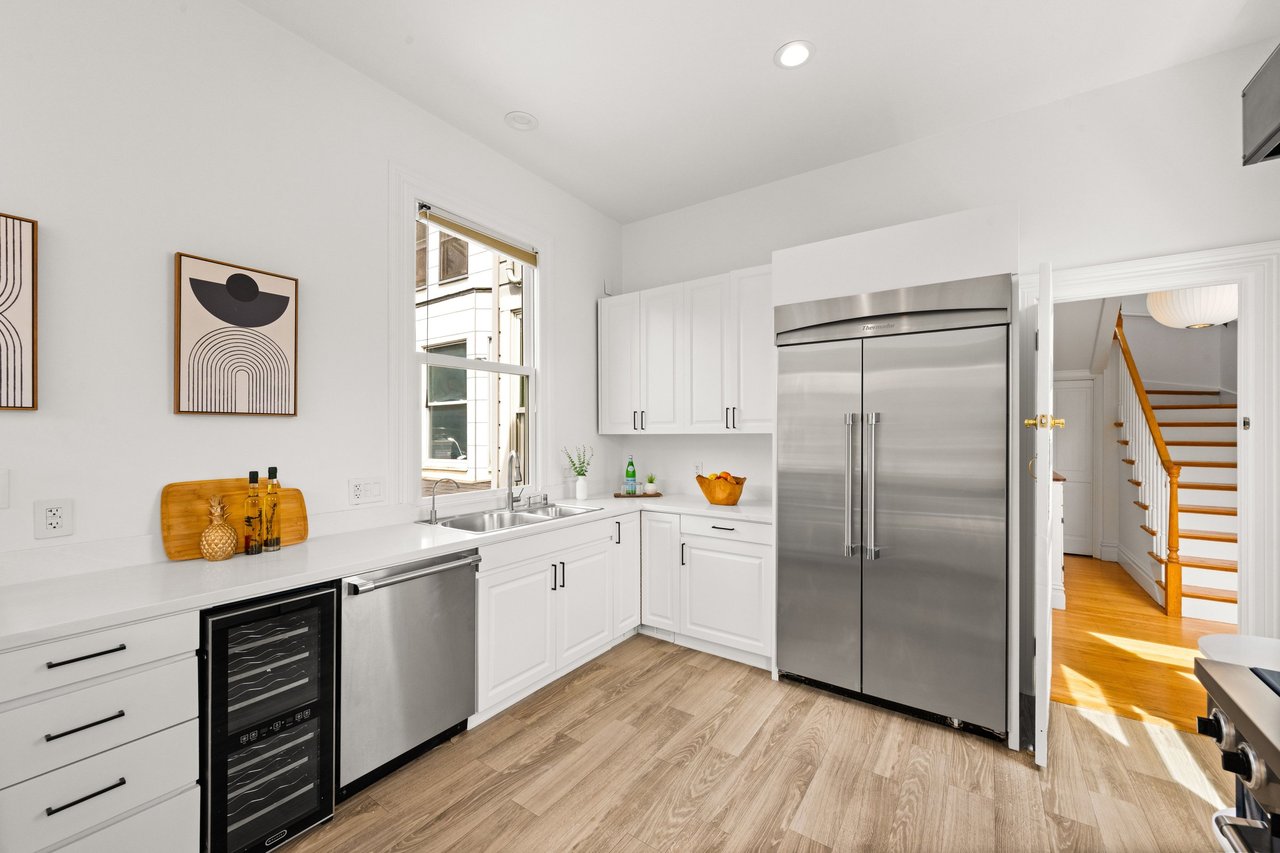
A move-in-ready home with light cosmetic work might need $5,000 to $15,000. A home that benefits from refreshed paint, refinished floors, and full staging often runs $15,000 to $40,000. Sellers who underspend on prep almost always regret it. Prep dollars routinely return several times over in sale price.
Selling costs are real and substantial.
Total transaction costs in San Francisco and Marin run 6 to 9 percent of sale price before any preparation, sometimes more in San Francisco's high-tier transfer-tax brackets. On a $1.5M sale, that is $90,000 to $135,000 in costs alone. Knowing the number upfront prevents the surprise.
The agent you pick matters more than the commission you negotiate.
Saving half a percent on commission and losing 3 percent on sale price is a bad trade that sellers make all the time. The right agent earns the commission many times over through pricing strategy, preparation guidance, marketing reach, and negotiation. The wrong one costs you in ways you'll never see on the settlement statement.
Buyers will find what's wrong with the home before you do.
Inspections find everything. The smart move is a pre-listing inspection so you fix what matters, price for what doesn't, and disclose with confidence. The pre-listing inspection checklist walks through what to expect and what it costs.
None of this is meant to discourage anyone from selling. The opposite, it's meant to make sure the sale produces the result it should. Sellers who go in clear-eyed about the realities tend to make better decisions and walk away with more.
3. Pricing strategy: aspirational vs. competitive
Pricing is the single most strategic decision in the sale. Two identical homes can sell for noticeably different prices based on pricing strategy alone, because the price you list at shapes how many buyers engage, how many compete, and what the final number looks like.
Aspirational pricing means listing high in the hope a buyer falls in love at full price. The risk is that the home sits, requires a price reduction, and ends up closing for less than competitive pricing would have produced. In San Francisco and Marin, where comps are well-documented and buyers know what things should cost, this rarely works.
Competitive pricing means listing at or slightly below market value to invite engagement. The result is strong inquiry volume, well-attended open houses, multiple offers, and a final number that often clears the list price meaningfully. This is the reliable strategy in both counties.
The decision is not ideological. It depends on the home, the neighborhood, current inventory, and the seller's timeline. But the pattern over hundreds of San Francisco and Marin sales is consistent: competitive pricing produces stronger outcomes more often than aspirational pricing does. The 39 Hancock case study below shows exactly how that math works on a real sale.
4. Preparing your home: where ROI actually lives
Preparation is where most sellers underinvest and where the highest returns come from. The core categories and what they're worth:
- Painting. Fresh, neutral paint is the highest-ROI single expense. Buyers respond to clean walls in a way that often surprises sellers.
- Floors. Refinished hardwood signals a well-maintained home. New carpet in carpeted rooms accomplishes the same thing.
- Decluttering and depersonalizing. Buyers need to picture themselves in the home. Clearing personal photos, excess furniture, and accumulated clutter helps them do that.
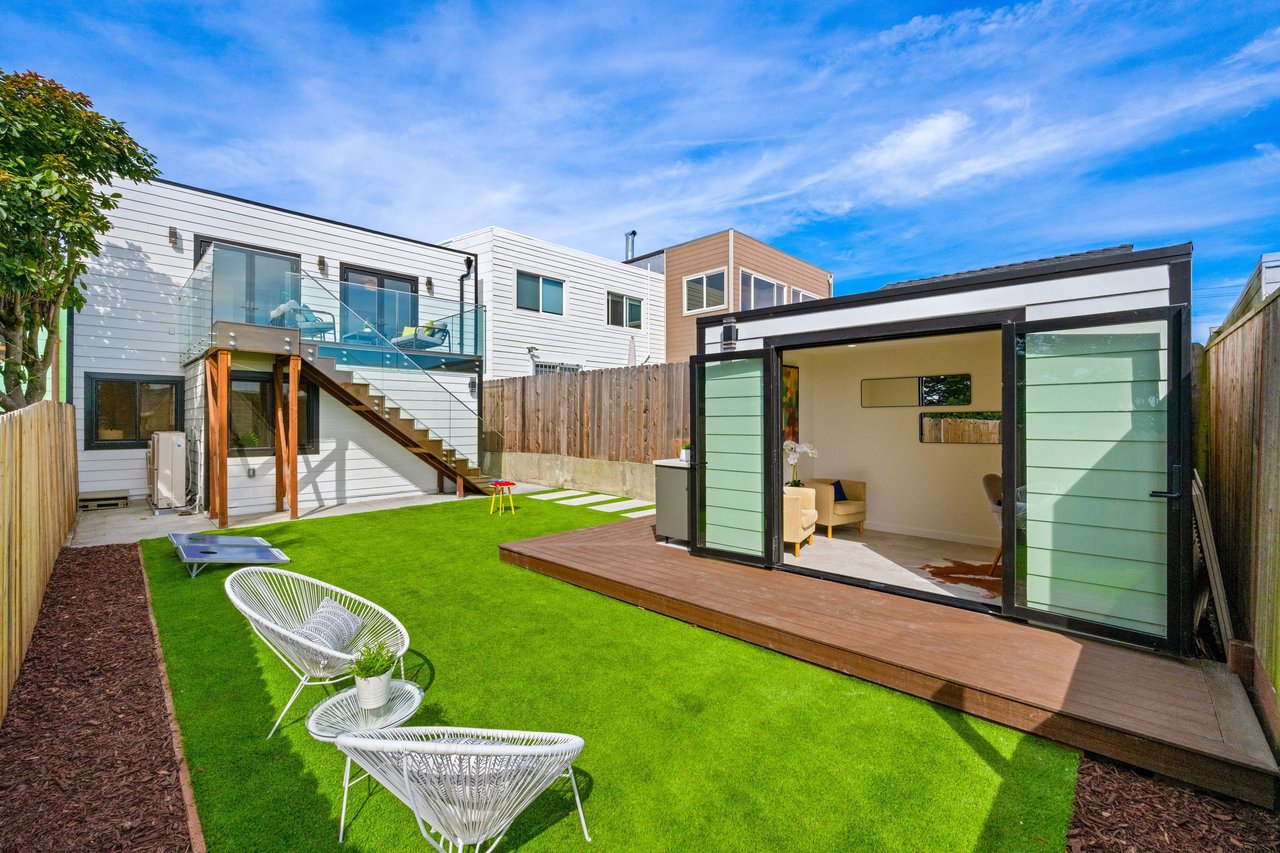
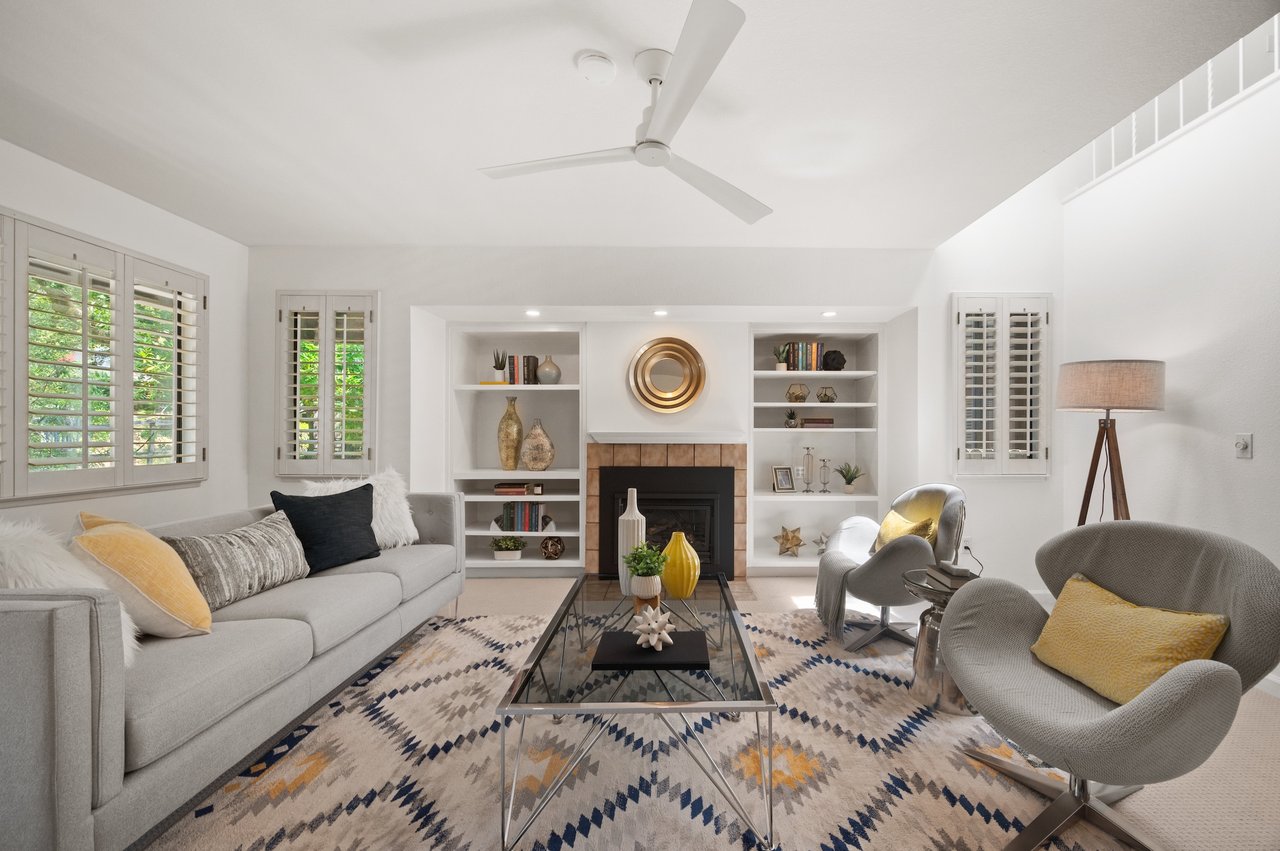
- Staging. Professional staging in a vacant home is non-negotiable in San Francisco and Marin. In an occupied home, staging consultations and rented pieces routinely earn back many multiples of cost.
- Pre-listing inspection. Fix what matters before buyers find it. Position the disclosures with confidence rather than reacting under escrow pressure.
- Curb appeal. Landscaping, exterior paint touch-ups, a clean entry. First impressions often determine whether buyers take the inside seriously.
For the deeper walkthrough, see my 8 essential steps to prepare your home for sale and the pre-listing inspection checklist.
5. The marketing campaign that drives multiple offers
Once a home is prepared and priced, marketing brings the buyers. A well-executed campaign in San Francisco or Marin typically includes:
- Professional photography and a property video. Most buyers see the home online before they walk through. Photography quality directly affects how many showings get scheduled.
- MLS exposure. Listing on the Multiple Listing Service makes the home visible to every agent in both counties and feeds the major listing sites.
- Pre-MLS and Coming Soon period. Where MLS rules allow and with the seller's written direction, building anticipation through the Top Agent Network and broker community before the home goes active drives stronger early offers. The broker tour schedule explains how that part works.
- Open houses. Weekend opens give serious buyers the in-person walkthrough. Sequenced opens across a strong weekend concentrate demand and accelerate decisions.
- Targeted digital campaign. Social media, email to the agent community, and digital advertising aimed at buyers most likely to be searching this price point and location.
- Broker tour. A formal preview for other agents puts the home on the radar for buyers they're already working with.
Generic marketing produces generic results. The campaigns that drive multiple offers are specifically built around the home, the location, and the buyers most likely to compete for it.
6. A 39 Hancock case study: what competitive pricing produced
A sale we represented on Hancock Street in Eureka Valley shows exactly how the pricing-and-preparation strategy converts to a real outcome. 39 Hancock Street is a 2-bedroom, 2-bathroom condo just steps from Dolores Park. We listed it at $1,495,000, a competitive number designed to invite the broadest engagement from active Eureka Valley buyers. Within 6 days the home went into contract for $1,831,200, multiple offers in hand. That is $336,200 over asking, 22 percent over list, and the highest price-per-square-foot result for a comparable Eureka Valley 2-bedroom condo over the prior 6 months.
The takeaway is not about Eureka Valley specifically. It's about the pattern: a well-prepared home in a strong location, priced to invite competition rather than discourage it, almost always nets more than the same home priced aspirationally. The marketing led with lifestyle, Dolores Park proximity, the Castro and Mission corridors, what living there actually feels like, rather than feature specs. By the time the open houses ran, the right buyers were already in motion. For the full case study with the marketing breakdown, see the 39 Hancock writeup.
7. Negotiating offers: what to weigh besides price
In a competitive offer environment, the dollar amount is the headline but the terms often matter just as much. What to evaluate alongside price:
- Contingencies. Inspection, financing, and appraisal contingencies all give the buyer an out. Fewer contingencies mean a more certain deal.
- Earnest money deposit. A larger deposit signals serious intent.
- Closing timeline. Faster closes are generally preferable. Some buyers offer rent-back periods if you need time to move.
- All-cash vs. financed. All-cash closes faster and carries less risk. Financed offers vary widely by lender and loan type.
- Buyer qualifications. A pre-approved buyer with a strong loan letter and a lender known for closing cleanly is more reliable than a higher offer with weaker financing.
The right offer is not always the highest one. It's the one most likely to close, at a price acceptable to you, with terms you can live with. In multiple-offer situations, an experienced listing agent reads the structure of every offer and recommends the one that combines the best price with the highest probability of closing cleanly.
8. Escrow, inspections, and close
Once an offer is accepted, escrow runs 30 to 45 days in most San Francisco and Marin transactions. The major milestones:
- Earnest money deposit (typically around 3 percent of purchase price) goes into escrow within a few days of acceptance.
- Buyer inspections happen in the first 7 to 14 days. The inspector examines the home and the buyer may request repairs or credits.
- Loan and appraisal contingencies clear around day 21 to 25.
- Final walkthrough happens a few days before close.
- Closing is when the buyer's funds wire, the deed records, and the home officially changes hands.
A well-prepared seller with a competent agent navigates escrow without major friction. Issues that come up, inspection findings, appraisal gaps, financing hiccups, are typically resolvable when the seller has the right team in place. The key is having the right people on the case when something needs handling: agent, escrow officer, and the right contractors or attorneys ready to consult if escalation is needed.
9. The real costs of selling
Selling in San Francisco or Marin involves several real costs beyond commission. The categories and what to expect:
Cost category | Typical range |
|---|---|
Total commission (listing + buyer's broker) | Negotiable; typically a meaningful percentage of sale price |
San Francisco transfer tax | Scales with sale price; the top brackets reach the mid single digits as a percentage |
Marin County transfer tax | Roughly 0.1% to 0.5% depending on jurisdiction |
Title insurance | Roughly 0.4% to 0.6% of sale price |
Escrow fees | Several thousand dollars, scaling modestly with price |
HOA transfer fees (condo) | A few hundred to a couple thousand |
Pre-listing preparation | $5,000 to $50,000+ depending on the home |
Total transaction costs typically land between 6 and 9 percent of sale price, plus preparation. On a $1.5M sale, that is $90,000 to $135,000 in costs alone. For a deeper read on the closing-cost side, see how much closing costs are in California. Knowing this number early prevents the surprise and shapes realistic expectations for net proceeds.
10. Choosing your listing agent
The right listing agent is one of the highest-leverage financial decisions in the entire sale. A great agent earns the commission many times over through better pricing, stronger marketing, and tighter negotiation. A mediocre agent costs you in ways that don't show up on a settlement statement.
What to look for when interviewing:
- Local market knowledge. Has the agent closed listings in your specific neighborhood within the past 12 months? Can they speak to micro-market dynamics, not generic real estate advice?
- Pricing strategy track record. Do their listings tend to sell at, above, or below list price? Do they produce multiple offers consistently?
- Marketing capability. What does their marketing actually look like? Look at past listings on their site or social.
- Communication style. Do they explain things clearly? Do they answer questions directly or hedge?
- References. Ask for past client references and actually call them.
You should leave each interview with a clear sense of what the agent would do specifically with your home. Generic advice and platitudes are a warning sign. Specific recommendations grounded in the particulars of your home are what you want.
Ready to talk through your specific situation?
Whether you're six months out, six years out, or somewhere in between, the earliest decisions usually matter most. A short conversation gets you the read you need without obligation.
Frequently asked questions about selling in San Francisco & Marin
How long does it take to sell a home in San Francisco or Marin?
What does it actually cost to sell a home in California?
Should I get a pre-listing inspection?
How much should I spend preparing my home for sale?
What's the best time of year to sell in San Francisco or Marin?
Can I sell my home without a real estate agent?
What disclosures am I required to make as a seller in California?
How do I know if a listing agent is the right fit?
"Oliver is both knowledgeable and practical. He made the process of selling our home efficient and without stress. We were very happy with the experience and outcome."
Cynthia Y. • 39 Hancock Street seller • Eureka Valley

Oliver has spent 23+ years selling homes across San Francisco and Marin, with over $350M in closed transactions and 300+ sales behind him. He lives in Marin and works listings on both sides of the Golden Gate every week, which means he's read enough Noe Valley and Mill Valley sales sheets to know the difference between a good sale and a great one is rarely about the market. It's about preparation, pricing, and the agent's willingness to tell sellers the hard things early. That's the part he focuses on most.