Most San Francisco houses have some work the city never signed off on: a basement bathroom, a kitchen redone in the 1990s, a downstairs room someone has been sleeping in for years.
Sellers who find this out often assume they have to legalize the work or tear it out before they can list. Usually they don't. What they do have to do is disclose it, because the buyer has to know what they are getting. Unpermitted work that is disclosed and inspected is something a buyer can price. Unpermitted work a buyer discovers on their own is what makes them wonder what else is in the walls.
This guide covers how to find out what was permitted, how buyers treat older work and recent work differently, why a remodel before the sale often costs more than it returns, and how a San Francisco property in far worse shape than most sold well over its asking price without any of it being fixed.
The short answer.Unpermitted work and code violations are two different problems. You can usually sell a San Francisco house with unpermitted work without fixing or legalizing it first, as long as you disclose what you know and the inspections show the buyer what is behind the finishes. An open code violation is harder: it can keep a buyer from getting a loan and make the sale difficult to close, so it often has to be cleared before the sale.
Disclose It. You Usually Don't Have to Fix It.
California's Transfer Disclosure Statement asks the seller directly whether there have been room additions, structural modifications, or other alterations or repairs made without the necessary permits, and whether any work is not in compliance with building codes. Selling as-is does not remove that obligation. An as-is sale means you won't make repairs; it doesn't mean you can leave out what you know. For the full list of forms, see what disclosures are required when selling a home in California.
Disclosure covers what you know, including work done by a previous owner. If you bought the house with a downstairs bathroom and never found a permit for it, say so.
"Bathroom on the lower level was in place when I bought the property; I have not found a permit for it" is a complete and useful disclosure.
A buyer can work with that. A buyer who finds the same bathroom missing from the city record during escrow has a reason to renegotiate or walk away.
Find Out What Was Permitted Before You List
In San Francisco, the seller must give the buyer a Report of Residential Building Record, known as the 3R report, from the Department of Building Inspection. It shows the authorized use of the building, such as a one-family or two-family dwelling, and the building permit history on file. Read it against the house itself. If the 3R says one-family dwelling and there is a second kitchen downstairs, or the permit history shows nothing for a kitchen that is clearly not original, you have found what needs to be disclosed.
The 3R does not include plumbing or electrical permits, so for a full picture request the complete building records as well. My guide to San Francisco permit tracking shows where to look. Order the 3R early: it takes the city about one to two weeks.
As of October 2026 · Source: sf.gov, Department of Building Inspection
3R report
Fee
$379
per residential building on the lot
Processing time
7 to 10
business days
What it leaves out
Plumbing, electrical and commercial permits
Older Work and Recent Work Are Read Differently
Buyers are not asking whether every piece of work had a permit. They are asking whether anything is hidden that will cost them money later. How old the work is changes how much a buyer worries about that.
What you have | How I advise sellers to handle it |
|---|---|
Kitchen or bath remodeled without permits 10 or more years ago | Disclose it and let the home inspection do its work. A kitchen or bath that has been in daily use for a decade without leaks or electrical problems has shown how it was built, and the inspection report confirms it. |
Recent kitchen or bath without permits | Disclose it, and before listing, understand why it wasn't permitted and who did the work. Buyers look hardest at new work with no record, because new finishes can cover what is behind them. Contractor invoices, photos taken during construction and a thorough inspection all help answer that question. |
A room, bath or unit added downstairs without permits | Disclose it and describe the authorized use exactly as the 3R states it. Legalizing an unauthorized unit or removing one is a permit and Planning process with its own rules, not a quick step before listing. If someone lives in the space, read selling a tenant-occupied home in San Francisco first. |
Structural, foundation or electrical work without permits | Disclose it and get the specialist inspection before listing, not during escrow. These are the items buyers and their lenders care about most, and a report in the disclosure packet lets buyers price them before they write an offer. |
The reports are what make disclosure useful to a buyer. My pre-listing inspection checklist covers which ones to order.
Code Violations Are a Different Problem
Unpermitted work becomes a code violation when the city has acted on it. Once the Department of Building Inspection issues a Notice of Violation, it is on the public record, it stays with the property when it sells, and buyers' agents, lenders and title companies can all see it.
The practical difference is financing. Many lenders will not make a loan on a property with an open violation, which can leave you with only the buyers who can pay cash and make the sale hard to close even after an offer is accepted. For that reason a violation often needs to be cleared before the sale, and clearing one can take months of permits, inspections and sign-offs.
If there is an open violation on your property, start there, before you set a price or a list date. Find out from the Department of Building Inspection exactly what it will take to close it, decide whether to clear it before listing or sell to a buyer who can take it on, and disclose it either way.
Why Remodeling Before the Sale Often Backfires
The instinct, once a seller learns a kitchen or bath was never permitted, is to redo it properly before listing. That is rarely the right call, for three reasons.
1
The buyer may have a bigger plan.
Many San Francisco buyers plan to open up a floor, expand into the garage or reconfigure the layout. A brand-new kitchen in the wrong place is something they will have to tear out, and they will not pay more for it.
2
Your finishes may not be theirs.
Finishes chosen for resale appeal to a narrower group of buyers than sellers expect. Many buyers would rather pay less and choose their own.
3
Permits take time.
A permitted remodel in San Francisco can take months before construction starts. See how long it takes to get a permit. Those months can move your sale into a different market.
Repairs a buyer would flag, such as an active leak or a safety item, are still worth doing. For which repairs pay for themselves, see how to prepare your home for sale.
A Property in Worse Shape Than Most: 964–966 York Street
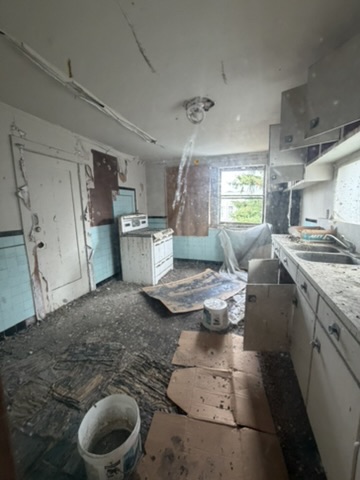
When I listed 964–966 York Street in the Mission, it was a vacant 1907 house with an income unit, roughly forty years behind on maintenance. A roof leak had brought down ceilings, and rooms were still full of the previous owner's belongings. Nothing was repaired, cleared or staged. We disclosed its condition up front, photographed it exactly as it stood, and offered it to every buyer who takes on projects like this on the same afternoon.
$1,155,000
Sale price, August 2026
+45%
Over the $799,000 list price
9
Offers
2 days
On market
None
Contingencies
The point is not that every property sells this way. It is that condition, however bad, does not by itself mean you need a remodel to sell. Buyers wrote without contingencies because nothing was left for them to guess at. The full story is in the 964–966 York Street case study, and the wider approach is in my guide to selling a Bay Area fixer-upper.
Frequently Asked Questions
Can I sell a house with unpermitted work in San Francisco?
Yes. There is no requirement to legalize unpermitted work before selling, as long as the city has not issued a violation for it. The seller must disclose what they know about it on the Transfer Disclosure Statement and provide the city's 3R report, and buyers decide what it is worth to them. Oliver Burgelman advises sellers to disclose it and let the inspections show its condition rather than remodel before listing.
Do I have to disclose unpermitted work a previous owner did?
Yes, if you know about it. The obligation covers what you know, not only work you did yourself. Say what it is, that it was in place when you bought the house, and whether you found a permit.
Does the 3R report show unpermitted work?
Not directly. The 3R shows the authorized use and the building permits on file. Unpermitted work shows up by comparing that record with the house: a bathroom, a unit or an addition that exists but isn't on the record.
Should I get permits for old work before I sell?
Usually not. Permitting completed work can mean opening walls for inspection and waiting months for approval, often for less value than the cost and delay. Disclosure and a thorough inspection usually serve the seller better. Get a specific answer for your house before deciding.
Can I sell a house with an open code violation in San Francisco?
It is possible, but it is much harder than selling with unpermitted work. An open Notice of Violation is on the public record and stays with the property, and many lenders will not finance a purchase until it is cleared, which narrows the buyers to those paying cash and makes closing difficult. Oliver Burgelman advises sellers to find out what clearing the violation requires before setting a price, and often to clear it before the sale.
Find Out How Buyers Will See Your House
I'll walk your home with you, read the permit record against what's there, and tell you what to disclose, what to inspect and what to leave alone, along with a valuation of what it could sell for as it stands today.
For the full selling process, see my guide to selling your home in San Francisco and Marin.