
Selling a Tenant-Occupied Home in San Francisco
A broker's guide for San Francisco owners of a home with a tenant in it: why the better plan is often to keep the property and wait, why an attorney comes before any conversation with the tenant about selling, and how buyers look at a home when the tenancy comes with it.
I'm a broker, not an attorney or a CPA. This guide is about the market side of the decision. Tenancy law and tax questions belong to a landlord-tenant attorney and your CPA.
You can sell a San Francisco home with a tenant in it. The tenancy goes with the property: the buyer takes on the lease, the rent and the tenant's rights, and the sale does not end the tenancy.
Owners who call me about selling a home with a tenant usually expect me to talk about price. I often start by asking about the tenancy. A tenancy in San Francisco is not a temporary condition of the property. It gives the tenant the right to stay, and that right does not end when the property sells, when the owner dies, or when the owner would rather have the unit back.
Plans that treat the tenancy as an obstacle to work around tend to end in a dispute. Plans that accept it as permanent tend to work.
For many owners, the plan that holds up best is also the simplest: keep the property in good repair, take the annual increase allowed by law, and wait until the tenant decides to move on their own. When the unit is vacated by the tenant's own choice, that is the time to call a listing agent. Everything on this page follows from that, including what to do when an estate, a trustee or an owner's finances make waiting impossible.
Rent limits and eviction limits are two different things
San Francisco's Rent Ordinance does two separate jobs. It limits how much the rent can go up, and it limits the reasons a tenancy can be ended. Owners of houses and condos often assume they are outside the ordinance because their rent is not capped. Many houses and condos rented since 1996 are exempt from the rent limits, but they are generally still covered by the eviction limits, and a house with a legal in-law unit is treated as a two-unit building. Which rules apply to your property is a question to settle with the Rent Board or your attorney before you decide anything, because it changes both the holding plan and the sale.
Why holding is often the better plan
Holding is not the passive choice it sounds like. It keeps every option open, carries the least risk and, for some owners, produces the best financial result.
01
The tenant decides when the unit is vacated
Tenants move for their own reasons: a new job, a growing family, a home of their own. A unit vacated that way comes with nothing attached, and the owner can then sell it vacant or rent it again at a new rent.
02
Upkeep protects the owner as well as the property
Repairs and services are part of what the tenant pays for, and the city's harassment rules cover cutting back on them. A well-kept property holds its value and keeps the owner on solid ground.
03
The tax result can favor holding
A property held until the owner's death generally passes with its tax basis reset to its value on the date of death, so decades of appreciation may never be taxed as a gain. My step-up in basis guide explains how that works; your CPA decides whether it applies to you.
The annual increases on a rent-controlled unit are small by design, which means holding is a plan built on patience rather than income growth. It works best for owners who can carry the property comfortably at the current rent and who have no near-term need for the equity.
Annual allowable increase (as of October 2026)
1.6% for March 1, 2026 through February 28, 2027, after 1.4% for 2025 to 2026 and 1.7% for 2024 to 2025. Source: San Francisco Rent Board.
The questions that decide hold or sell
When owners ask me which way to go, these are the questions we work through. Most of them have nothing to do with the tenant and everything to do with the owner's own plans.
Question | Why it matters |
|---|---|
Can you carry the property comfortably at today's rent? | Holding only works if the property is not a strain. An owner who needs the equity is in a different position from one who doesn't. |
What would it sell for occupied, and what would it sell for vacant? | The gap between the two is the real cost of selling now. I can estimate both from recent sales, and my guide to what it costs to sell a home covers the rest of the math, including capital gains. |
What is your estate plan? | For an older owner, holding can mean the heirs inherit at a stepped-up basis. A sale now realizes the gain during the owner's lifetime. Heirs who keep the property as a rental should also read my Proposition 19 guide, because property tax is usually reassessed. |
Who would manage it if you couldn't? | Holding for years works when someone is ready to keep up the property and handle the tenancy properly, whether that is the owner, a family member or a property manager. |
Is anyone else on title? | Co-owners, heirs or a trust with several beneficiaries may not all be able to wait. Their needs can decide the timing. |
Before you say anything to your tenant about selling
My advice to every owner is the same: do not discuss a plan to sell with your tenant until you have spoken with a landlord-tenant attorney. After that, every communication with the tenant about the sale should be in writing.
The reason is that San Francisco regulates the conversations themselves. The city requires specific written disclosures before any discussion of a buyout, and a casual question about whether the tenant might move can be taken as the start of one. The city's harassment rules reach how a landlord communicates, including repeated or intimidating contact, and not only what a landlord does. A conversation that felt friendly to the owner can look very different later, written down in someone else's words. None of that can be undone by a better conversation afterward, which is why the attorney comes first.
When selling now is the right call
Waiting is not always possible. Heirs who disagree, a trustee with a duty to distribute, co-owners who need to divide what they own, or an owner who needs the equity may have to sell with the tenancy in place. If the property came to you through a trust or a probate, start with my guide to selling an inherited home in San Francisco or Marin, which covers who has authority to sign. A sale with a tenant in place can go well. It takes more preparation than a vacant sale and more care with the tenant. Pricing, costs and timing otherwise follow my guide to selling a home in San Francisco and Marin.
How buyers look at a home with a tenant in place
A buyer who wants to live in the home cannot count on moving in, so most of the owner-occupant buyer pool steps aside. The buyers who remain price the property on its rent and on how long the tenancy might last, and the result is usually a lower price than the same home would bring vacant. That difference is a market fact. It is not a reason to pressure a tenant, and an owner who tries usually turns a pricing question into a legal one.
Three things narrow the difference, and all of them are in the seller's control:
01
A complete file
Buyers discount what they can't verify. The lease and any amendments, the rent history and increase notices, the deposit amount and any Rent Board filings, organized before the first showing with the seller's disclosures, turn an unknown into something a buyer can price.
02
The right buyer pool
When one unit of a two-unit building is vacant and the other is rented, the buyers include people who will live in the vacant unit. That is a broader and usually stronger pool than investors alone, and the marketing should reach both.
03
A property in good repair
The same upkeep that makes holding work shows up again at the sale. A buyer taking on a tenancy is also taking on the building, and condition is the part they can see. A pre-listing inspection answers their questions before they ask.
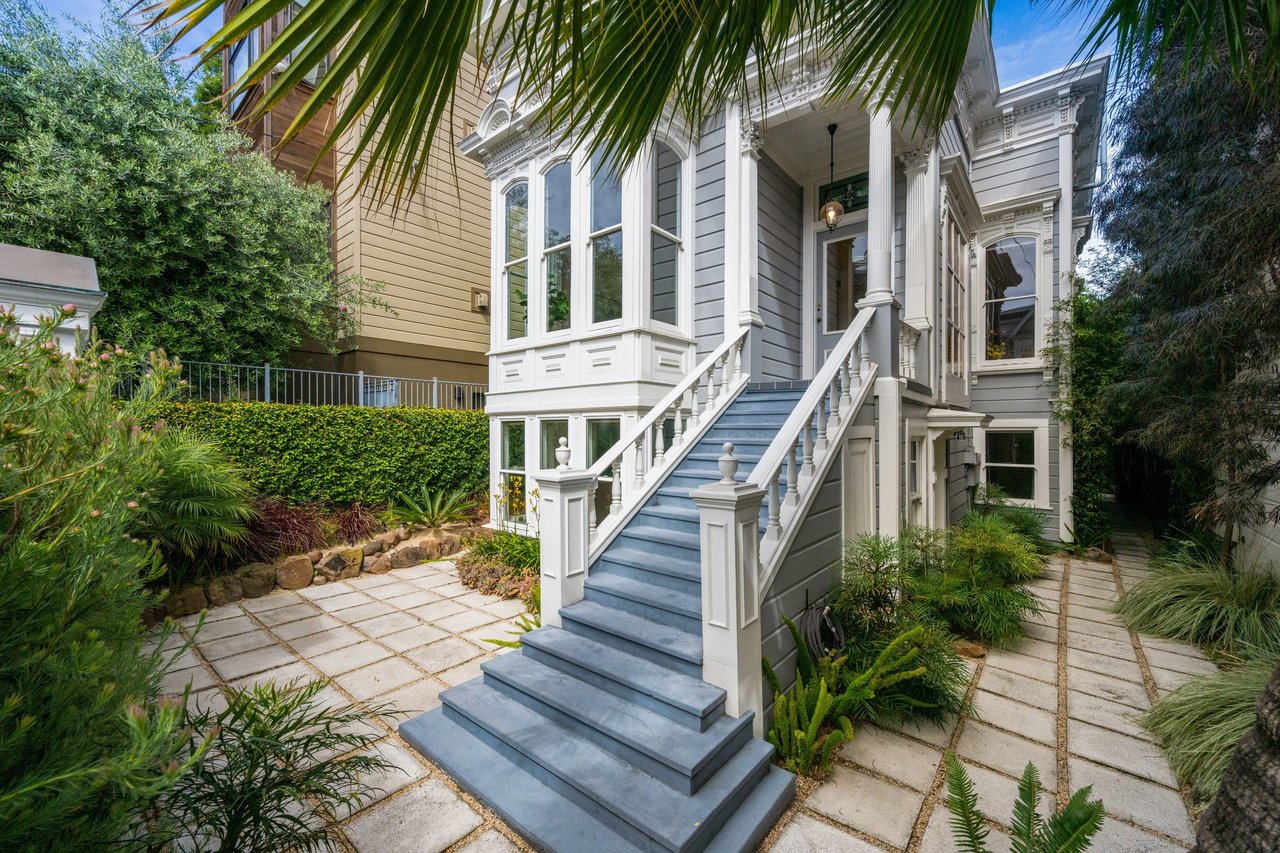
Showings that respect the tenant
The tenant's home is still their home while it is on the market. California law requires reasonable written notice before an owner or agent enters, and limits how entry can be used. Before marketing begins, I deliver two documents to the tenant, using standard California Association of REALTORS® forms: a written notice that the property is for sale, and the showing procedure we will follow. Beyond what the law requires, the showings that work best are few, scheduled well ahead and kept to normal hours. Photograph an occupied unit only with the tenant's agreement, and use a floor plan where photographs aren't possible.
If a buyout comes up
A buyout is a voluntary agreement in which a tenant accepts payment to give up the tenancy. The tenant is free to say no, and both sides should have their own attorney. San Francisco sets the sequence, the waiting periods and the filings, and a buyout can affect what the owner may do with the building later, including converting it to condominiums. This is attorney work from the first step. Owner move-in and Ellis Act withdrawals are separate legal processes with strict requirements, and they are also matters for your attorney rather than for this guide.
Buildings with three or more units
San Francisco's Community Opportunity to Purchase Act gives qualified nonprofits the chance to make an offer on, and to match offers for, buildings with three or more residential units, and it requires notices before the property is listed. If your building has three or more units, I prepare the notices on standard California Association of REALTORS® forms and send them to the qualified nonprofits before the property is listed, and build the response periods into the marketing calendar. After closing, the seller signs the declaration the city requires.
Buildings with three or more units also fall under one of California's balcony and deck inspection laws: SB 721 for rental buildings without an HOA, and SB 326 for condominium buildings with one. Either way, the inspection report belongs in the file buyers review. My SB 721 and SB 326 guide covers what a seller needs before listing.
My role, and what it isn't
As a listing agent, I price and market the property as it stands, tenancy included, and I tell owners plainly when I think holding is the better choice. Questions about a tenant's rights, a buyout or ending a tenancy belong to a landlord-tenant attorney. I don't represent buyers on my own listings, so the agent selling your property is never also working for the buyer.
Frequently asked questions
Can I sell my San Francisco home with a tenant living in it?
Yes. The tenancy continues under the new owner, and the buyer takes on the lease, the rent and the tenant's rights. Oliver Burgelman often advises owners to consider holding first, because a home with a tenant in place usually sells for less than the same home vacant.
Does selling the property end a rent-controlled tenancy?
No. A sale does not end a tenancy in San Francisco, and neither does the owner's death. Whether and how a tenancy can end is a question for a landlord-tenant attorney.
Can I evict a tenant to sell my house in San Francisco?
No. Selling is not one of the reasons San Francisco's Rent Ordinance allows for ending a tenancy, so the tenancy continues through the sale. Oliver Burgelman's advice to owners who want to sell vacant is to wait until the tenant decides to move, and to speak with a landlord-tenant attorney before raising a sale with the tenant.
Should I tell my tenant I'm thinking about selling?
Not before speaking with a landlord-tenant attorney. San Francisco requires specific disclosures before any buyout discussion, and an informal conversation about moving can be taken as one. After that, communicate about the sale in writing.
Are single-family homes rent-controlled in San Francisco?
Partly. Many houses and condos rented since 1996 are exempt from the city's rent increase limits but are generally still covered by its eviction limits. A house with a legal in-law unit is treated as a two-unit building. The Rent Board can tell you which rules apply to yours.
Is it better to sell now or hold?
For many owners who can carry the property comfortably, holding is the better plan: the tenant's own decision to move is the cleanest way a unit becomes vacant, and a property held until death generally passes with a stepped-up tax basis. Owners who need the equity, or estates that must distribute, may need to sell now. A CPA should run the tax side of the comparison.
My tenant just gave notice. Should I sell or rent it again?
This is the moment a holding plan is built for. A vacant home reaches the full buyer pool, including people who want to live in it, so the price is usually higher than it would be with a tenant in place. Before you sign a new lease, get a current value for the home vacant and compare it with keeping it as a rental. Once a new tenancy starts, the same rules apply again from the beginning. Oliver Burgelman can prepare that valuation while the unit is still empty.
Own a home with a tenant in it?
Three places to start, whether you plan to hold or sell.
Talk it through before you decide
For owners deciding whether to hold or sell, and for the attorneys and trustees who advise them.
General information from a real estate broker, current as of October 2026. This is not legal or tax advice. For the rules that apply to your property, consult a landlord-tenant attorney, the San Francisco Rent Board and your CPA.