
Selling a House in a Trust in San Francisco
A house held in a living trust in San Francisco is sold by the trustee, usually the successor trustee the owners named, and in most cases no court is involved. The trustee signs the listing, the contract and the deed. The title company confirms the trustee's authority from a certification of trust, and the sale then runs on the same timeline as any other sale.
A broker's guide for trustees and their families: who signs, what to do before the house is listed, how the sale differs from an ordinary one, and what a trustee should expect from the agent.
I'm a broker, not an attorney or a CPA. This guide explains how a trust sale works in practice. The trust's attorney and CPA make the legal and tax calls.
Who signs, and what the title company asks for
While the owners are alive and well, they are usually their own trustees and sell the house the way any owner does. This guide is about what comes after: a death or an incapacity, when the successor trustee named in the trust takes over. Often that is one of the adult children.
Being named in the trust is not the same as being able to sign yet. Before a listing agreement is signed, I ask the title company to open a file and tell us what it needs to insure the sale. In a trust sale that is usually:
I raise these in the first conversation. A week spent on them before listing costs nothing. The same questions discovered in the middle of an escrow can cost the buyer.
The trustee decides, and owes the family a fair process
The trustee holds title for the people the trust benefits, the beneficiaries. Within the terms of the trust, the trustee chooses the agent, approves the preparation, sets the price and accepts the offer. The beneficiaries do not vote on those choices. What they are owed is a trustee who acts carefully, treats them even-handedly and keeps them informed.
That is where families get stuck. One sibling wants to price low and let buyers compete, another wants a high asking price, a third is not ready to sell at all. The trustee can still act, and has to be able to show afterward that each decision was a reasonable one. If the disagreement is serious, the trust's attorney is the person to call before the house is listed.
What I give a trustee
My job is to get the best result for the trust and to leave the trustee with a record that shows how it was reached:
A few of my San Francisco trust sales
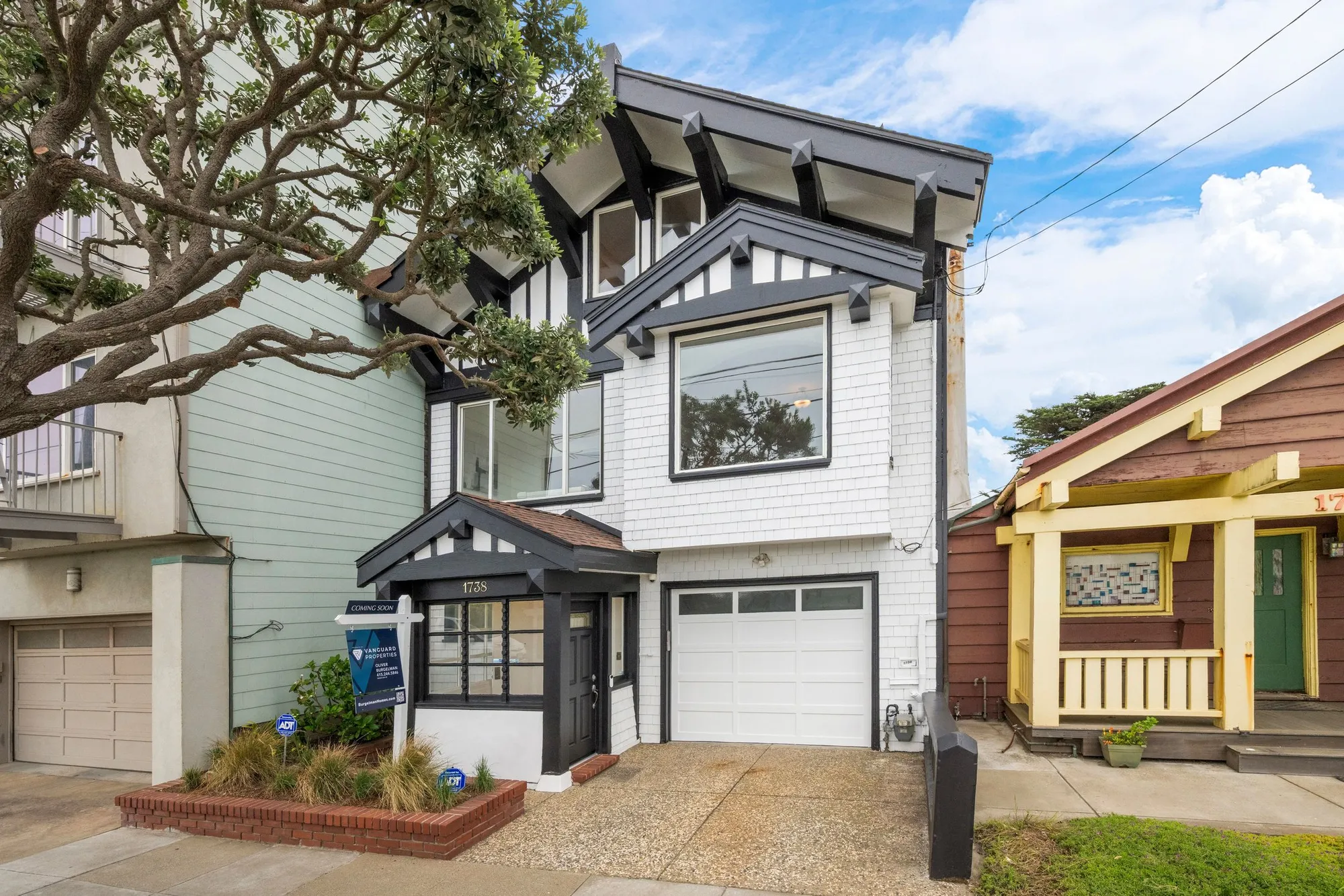
 Outer Sunset1738 Great Highway$2,600,00074% over the list price, 14 offers, 7 days on marketA three-bedroom house across from Ocean Beach, sold for a trust. Prepared to show cleanly without over-renovating, and a second date-of-death appraisal after the first came in low.Read the case study →
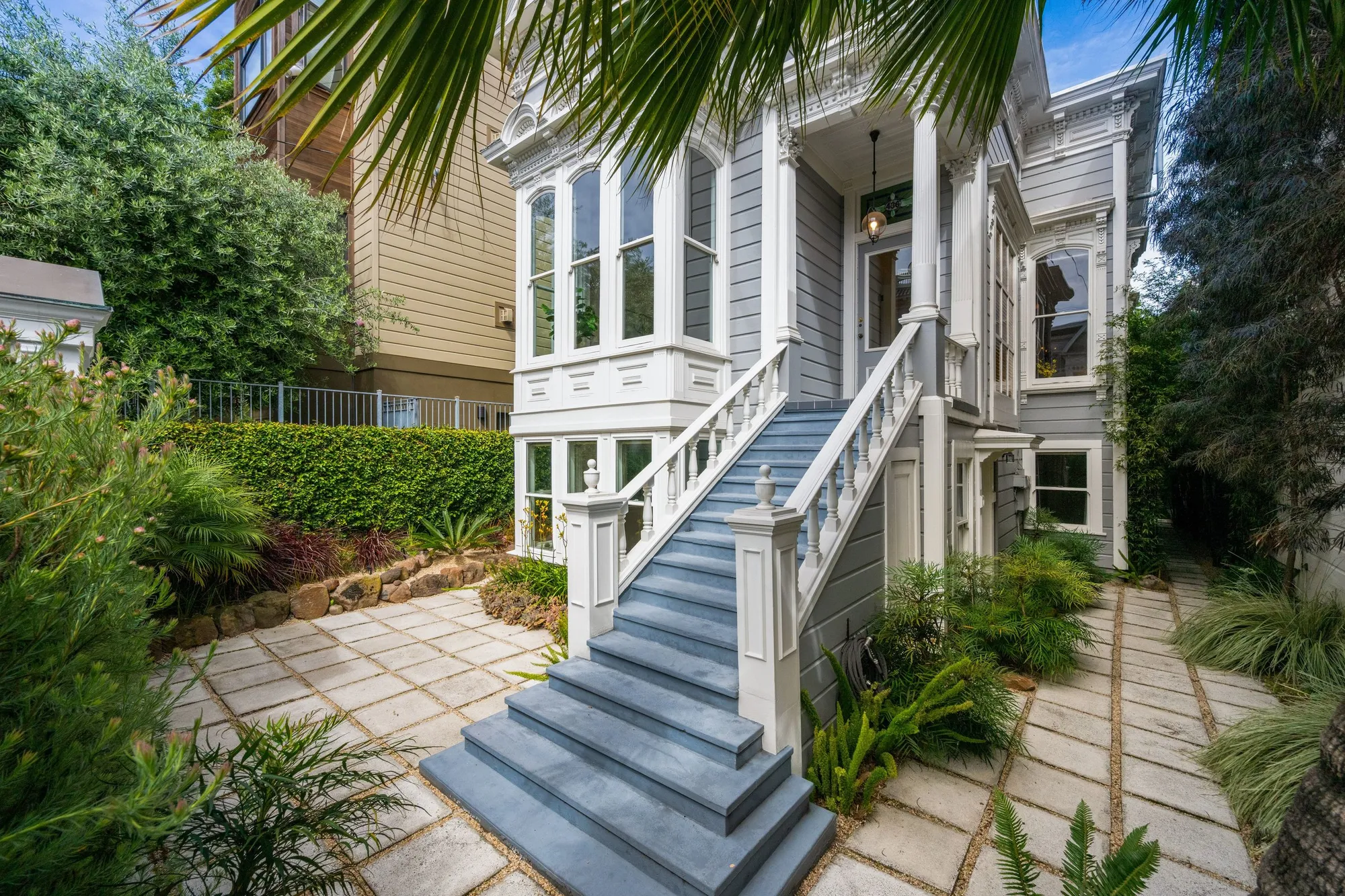 Hayes Valley436 Oak Street$3,363,00035% over the list price, 11 offers, 7 days on marketA three-unit Victorian with one unit tenant-occupied and a trustee in another state. A full house of contents to clear, then paint, refinished floors and staging.Read the case study →
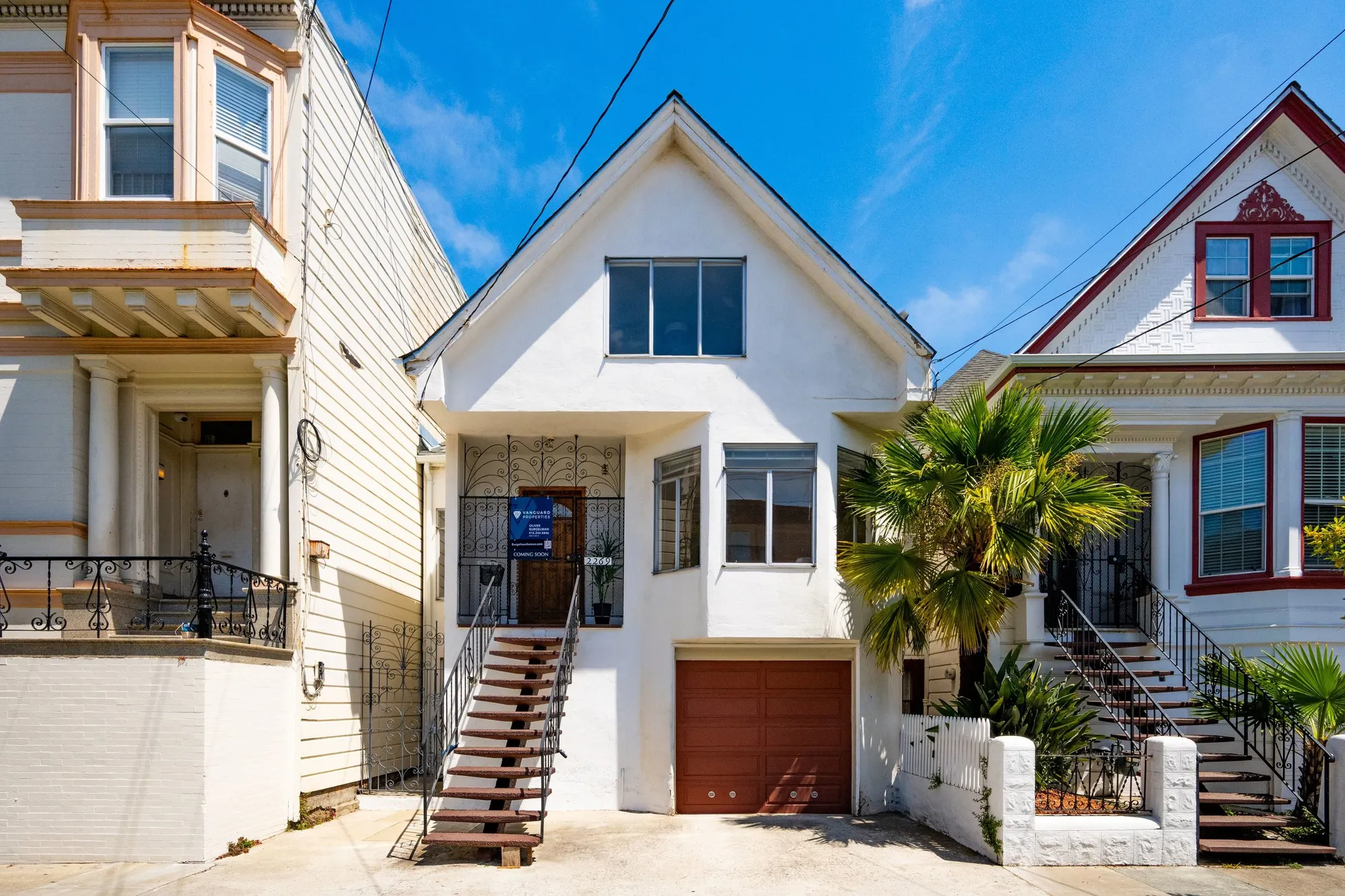 Mission District2269 Bryant Street$2,250,00088% over the list price, in contract in 2 daysA 1910 three-bedroom house sold for a buyer to take on as it was, with the full disclosure package ready before the first showing. A strong early offer arrived two days in; I advised waiting, and the next offer was higher.Read the case study →
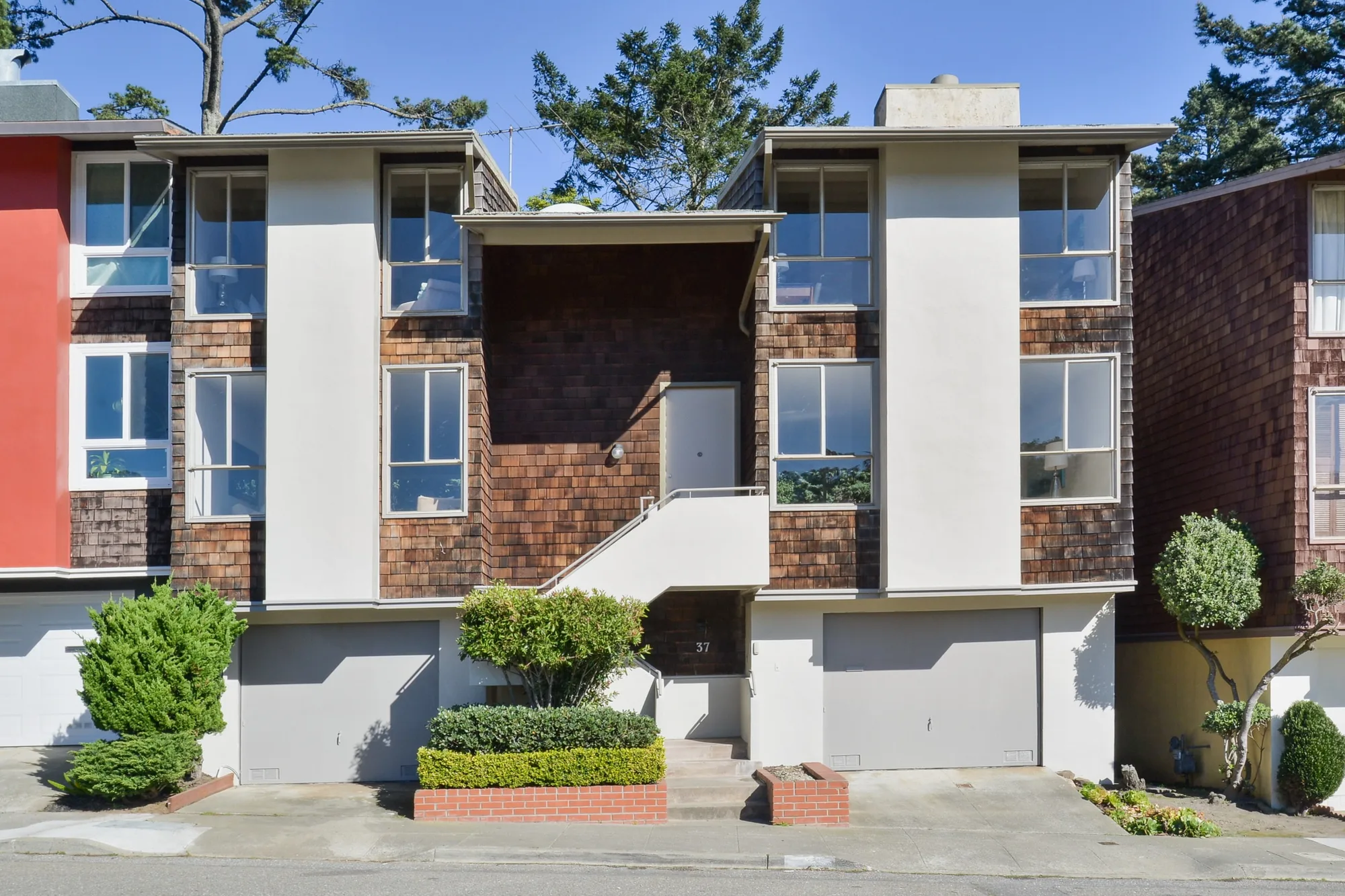 Diamond Heights37 Turquoise Way$1,851,00016% over the list price, multiple offers, the winning one with no contingenciesA four-bedroom midcentury house whose trustees lived out of the area. I ran the preparation for them: paint, refinished floors, a stained deck, cleaning and staging, with the original kitchen and bathrooms left as they were.Read the case study →
Through each of these sales I emailed the trustee as things happened, so they always knew where the sale stood and had it all in writing.
Talk it through before you list
Tell me where things stand with the trust and the house. I’ll explain what the sale would look like, what to confirm with the attorney and the title company first, and what the house is worth today.
Before the house is listed
Give the notice. After a death, the trustee notifies the beneficiaries and heirs within 60 days (Probate Code section 16061.7). That notice starts the period in which the trust can be contested. There is no general rule that a sale has to wait for that period to end, but whether to list during it is a question for the trust's attorney and the title company, not for the agent.
Secure and insure the house. Change the locks, forward the mail, and tell the insurance company the house is vacant. An ordinary homeowner's policy may not cover a house nobody lives in.
Get the date-of-death value right. The value on the date of death generally becomes the new tax basis, so the appraisal matters long after the sale. On one of my trust sales the first date-of-death appraisal came in well below what the market later paid, and I helped the trustee see why a second appraisal was warranted. My step-up in basis guide explains how the appraisal and the sale price fit together. The CPA decides how to use them.
Clear the house. Decide what the family keeps, then bring in an estate sale company or a liquidator for the rest. On 436 Oak Street the trustee lived in another state, so I arranged the liquidator and sent updates as the house was emptied.
Prepare it, without over-improving. For most trust houses the answer is paint, floors, repairs buyers will notice, and staging. Where the trust has no cash for the work, my seller concierge service can cover the cost until closing.
How a trust sale differs from an ordinary sale, and from probate
To a buyer, a trust sale looks like any other sale: an offer date, a normal contract, a normal escrow. It is not a probate sale, and buyers and their agents sometimes need to be told so, because a probate sale can bring a court hearing and overbidding.
Trust sale | Probate sale | |
|---|---|---|
Who decides | The trustee | The executor or administrator |
Court | Usually not involved | Depends on the authority the court grants |
Court confirmation and overbidding | No | Required in some probate sales |
Contract and negotiation | The same as an ordinary sale | Can be limited by court rules |
Disclosures
A trustee selling in the course of administering a trust is generally exempt from California's Transfer Disclosure Statement (Civil Code section 1102.2). The exemption does not cover an individual trustee of a revocable trust who owned or lived in the property within the past year, and it never removes the duty to disclose what the trustee actually knows. I do not lean on the exemption. A trust house with nobody to answer questions is uncertain to a buyer, and buyers pay less for uncertainty. A full package before the first showing, with inspections, the permit history and the required reports, is what lets them offer without contingencies. More in what disclosures California sellers have to provide.
How long it takes
Once the title company is satisfied with the trustee's authority, a trust house sells on the same calendar as any other San Francisco home: one to three months of preparation, depending on how much there is to clear and repair, then usually 30 to 60 days from listing to closing. What stretches the calendar is almost always the start: confirming who can sign, emptying the house, and getting the family to a decision.
What comes out of the proceeds
The sale costs are the same as for any San Francisco seller: the commission, the city transfer tax, the preparation, and a few escrow items. My page on seller closing costs in San Francisco goes through each line. Two points are particular to a trust:
Withholding. Escrow withholds 3 1/3% of the price for the Franchise Tax Board unless an exemption is certified on Form 593. Which exemption applies to a trust depends on the facts, so the trustee completes the form with the CPA before closing.
The proceeds go to the trust. Escrow pays the trust, not the beneficiaries. Selling the house and distributing the money are separate steps, and the trustee may hold part of the proceeds for taxes and final expenses before distributing the rest. How and when that happens is between the trustee and the attorney.
Frequently asked questions
Does a trust sale need court approval in California?
Usually not. A trustee with the power to sell under the trust signs the listing, the contract and the deed without a court hearing. A court becomes involved when something is unsettled, for example a house that was never transferred into the trust, an unclear trust, or a dispute over who the trustee is. The trust's attorney handles those.
Can a trustee sell the house if the beneficiaries disagree?
In general the trustee decides, within the terms of the trust, and the beneficiaries do not have a veto. The trustee owes them a careful, even-handed process and has to be able to explain each decision, which is why a written pricing analysis and a record of every offer matter. A beneficiary who believes the trustee is acting improperly can ask a court to step in, so a serious disagreement is a reason to call the trust's attorney before listing.
How soon after a death can a trust house be sold?
As soon as the successor trustee's authority is in order and the title company is ready to insure the sale. The notice to beneficiaries is due within 60 days and opens a period for contesting the trust. Whether to list during that period is a decision for the attorney and the title company.
Does the trustee have to accept the highest offer?
No. The trustee needs a sound reason for the choice. An all-cash offer with no contingencies can be the more prudent one over a higher offer that depends on a loan and an appraisal. Oliver Burgelman gives the trustee a side-by-side summary of every offer so the reasoning is on paper.
Is a trust sale exempt from seller disclosures?
A trustee administering a trust is generally exempt from the Transfer Disclosure Statement, with exceptions, and is never exempt from disclosing what they actually know. The natural hazard and other required reports still apply. In practice a complete disclosure package produces better offers.
What if the house was never put into the trust?
Then the trustee cannot simply sell it, even if the trust says the house belongs in it. The attorney has to bring the house into the trust or take it through probate, which can mean a court petition. Check the deed first: the title company can tell you in a day how title is held.
Sources: California Probate Code sections 16061.7 and 18100.5; Civil Code section 1102.2; Franchise Tax Board Form 593. Current as of November 2026 and provided for general guidance only. This is not legal or tax advice; the attorney and CPA for the trust decide the legal and tax questions.