Mission District Real Estate Agent
My office is on Mission Street, and my work starts with the details of your property. From a single-family home to a condominium or multi-unit building, I'll help you choose the right comparable sales, preparation and approach to reaching buyers.
Selling your Mission District home
The Mission brings together Victorian and Edwardian homes, condominiums, TIC interests, lofts and multi-unit buildings. Ownership, layout and building condition can make two nearby properties very different selling propositions.
My office is at 2501 Mission Street. When I review a property, I consider its connection to the neighborhood's commercial streets and transit alongside the details buyers experience inside: light, privacy, room layout, outdoor space and noise.
The market snapshot below covers the SFAR MLS Inner Mission subdistrict within District 9. It does not describe all of District 9. Neighborhood labels are a starting point; the useful comparison is between properties with relevant similarities. Explore the San Francisco MLS district guide.
Mission District market snapshot: 2026
These figures describe the selected sales during the reporting period. A valuation for your address requires a closer comparison of ownership, size, condition, layout and location. Request a current home valuation.
Two Mission District seller results
I represented the seller in both transactions below. One was a single-family home on Bryant Street; the other was a two-unit York Street building sold off-market through my network.
2269 Bryant Street: a single-family home sale
2269 Bryant Street offered three bedrooms, two bathrooms and approximately 2,565 square feet. Listed at $1,195,000, it sold for $2,250,000 and closed on August 24, 2026. The MLS recorded five days on market.


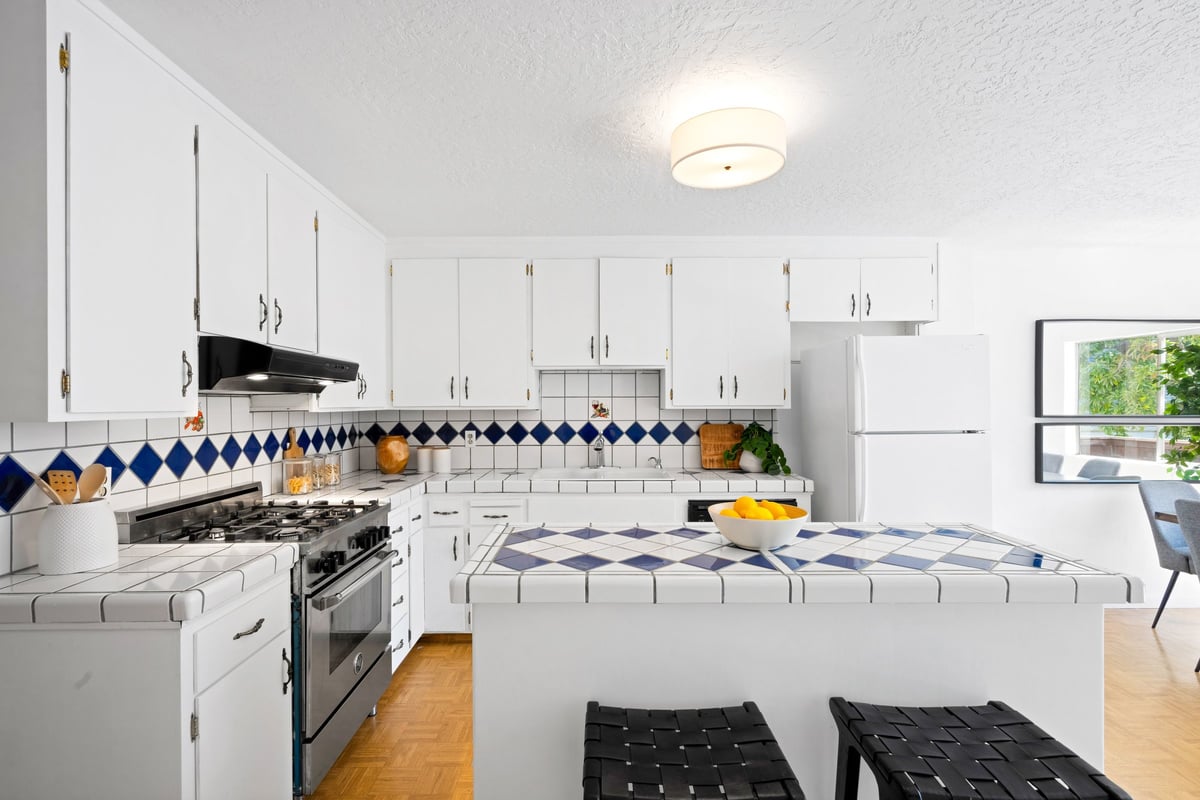
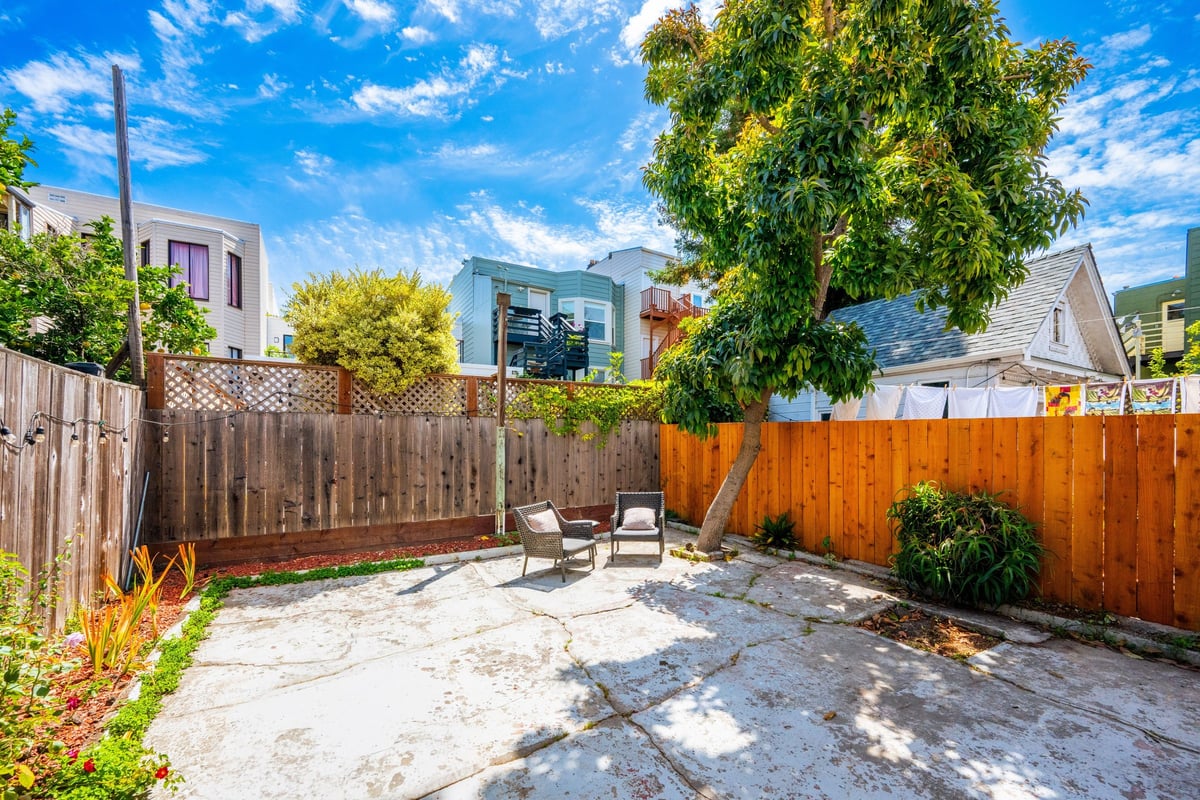
The sale price was $1,055,000 above asking. For an owner considering a similar sale, the next step is to look at how the home compares in size, configuration, condition and location. The difference from asking is one part of the transaction; comparable sales and offer terms provide the context for evaluating the result.
A whole-house sale also needs its own comparable properties. Condominium and multi-unit building prices cannot simply be applied to a single-family home because they share a neighborhood.
964–966 York Street: nine offers before going on the market
I represented the seller of this two-unit Inner Mission property, which sold off-market for $1,155,000 after receiving nine offers. It closed on August 28, 2026.


I generated that interest through the professional network I've built over more than two decades in San Francisco real estate. The outreach brought nine offers before the property went on the open market.
For this seller, my network created an opportunity to evaluate offers without a public launch. Whether that approach makes sense for another property depends on the seller's goals, timing and the potential benefits of broader market exposure. We discuss those choices before deciding how to proceed.
This was a two-unit building, so its sale is presented separately from the single-family market statistics above.
Which sales should your home be compared with?
Architectural style and ownership are different things. An Edwardian flat might be a condominium or a TIC interest, while a similar-looking building may be sold in its entirety. I establish what is being sold before choosing the comparable sales.
- Single-family homes. Start with relevant house sales, then consider size, floor plan, condition, lot, outdoor space and parking. The single-family snapshot provides context, but it does not replace this comparison.
- Condominiums in Victorian and Edwardian buildings. Compare similar units and ownership structures. Floor, light, stairs, original detail, improvements and shared maintenance responsibilities help distinguish one flat from another.
- Condominiums in newer buildings. Review sales in the same building when available, then comparable buildings nearby. Consider exposure, layout, amenities, dues, assessments and building financials.
- TIC interests. Use relevant TIC sales and review the ownership agreement, shared expenses and available financing. Confirm current loan options with a lender experienced in TIC properties.
- Lofts and converted buildings. Consider usable space, ceiling height, sleeping areas, light and building costs. Any live-work designation or proposed use should be checked against the property's records.
- Multi-unit buildings. Review comparable building sales alongside unit configuration, occupancy, income, expenses, condition and documented improvements. Marketing should explain the property's actual configuration and availability.
The location details buyers notice
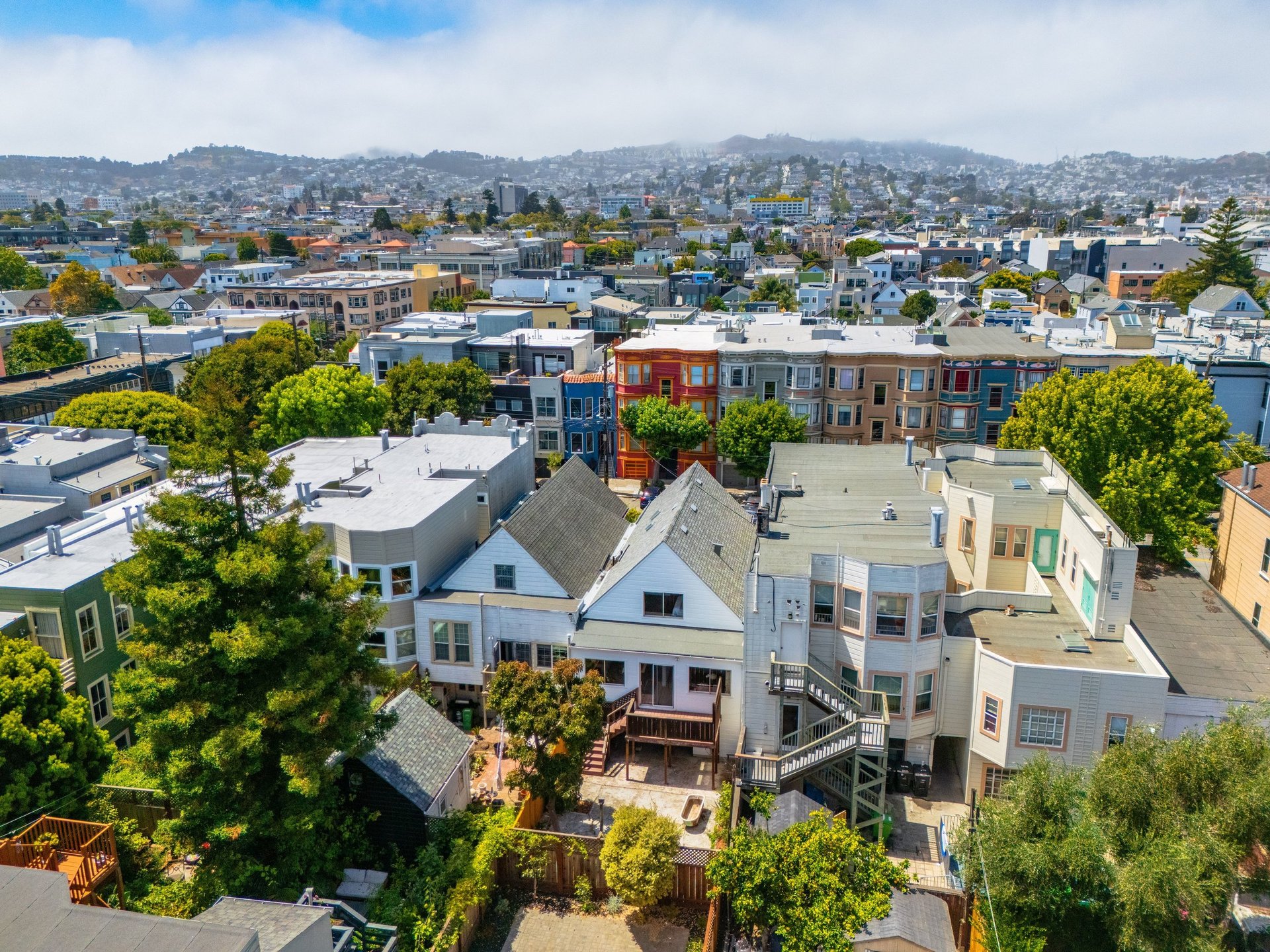
The Mission's commercial corridors, residential streets and converted buildings offer different day-to-day experiences. I focus on the specific address rather than assuming every property near a landmark carries the same value.
- Walking access to shops and restaurants
- Street-facing versus rear-facing rooms
- Transit access from the address
- Activity and noise near the entrance
- Access to neighborhood businesses
- Light and privacy inside the home
- Outdoor space and its usability
- Layout, stairs and parking access
- Separate entrances and circulation
- Usable floor area and ceiling height
- Building systems and maintenance
- Documented use and unit configuration
Properties near neighborhood boundaries may also have relevant comparisons in Mission Dolores, Bernal Heights or Potrero Hill. I explain why each sale belongs in the comparison and account for differences in location and property type.
For current bus and rail connections, consult SFMTA's routes and stops. Walking access and the route that works best will depend on the property and the destination.
A plan for preparation, pricing and exposure
Preparation starts with a walkthrough, your budget and your timeline. We decide what to improve, what to document and how to present the property clearly.
- Review the property and records. Gather the relevant ownership, building and improvement records. For a multi-unit sale, include tenancy, income and expense information.
- Choose the preparation. Evaluate cleaning, repairs, staging, photography and appropriate inspections. Larger projects should be assessed against their cost, timing and likely buyer response.
- Set the pricing strategy. Review relevant closed sales and competing properties. Explain the asking-price recommendation and the choices it creates for your sale.
- Decide how to reach buyers. Discuss a public launch, targeted network outreach and how each approach fits your priorities. York Street illustrates a successful network-led sale; the right approach still needs to be chosen for each property.
- Evaluate the complete offer. Compare price, financing, contingencies, timing and expected proceeds before choosing an offer.
My Home Seller's Guide explains the broader process. We'll tailor the sequence to your property and plans.
Your Mission District listing agent

My office is at 2501 Mission Street, and my seller experience includes the Bryant Street home and York Street two-unit building featured above. I bring more than two decades of San Francisco real estate experience and the professional relationships built through that work.
I'll show you the sales behind my valuation, explain where preparation is worth considering, and discuss how to reach buyers for your property. Read more about my background or hear from past clients.
Questions about selling in the Mission District
What is my Mission District home worth?
Can you sell my property through your network?
Can neighboring areas be used for comparable sales?
How does selling a TIC differ from selling a condo?
How long should I allow for the sale?
Does selling above asking mean I got a good price?
Should I remodel before listing?
What costs should I plan for?
How do I choose when to list?
Let's build a plan for your Mission home.
Start with a valuation and a 15-minute conversation about comparable sales, preparation and reaching buyers. My office is on Mission Street, so we can meet in person if you prefer. No commitment to list.