Bay Area Gentrification: How It's Reshaping SF & Marin Home Values
San Francisco's gentrification is dramatic and well documented; Marin's is subtler but accelerating. Here's which neighborhoods are changing, why it moves home values, and what it means whether you're buying for long-term appreciation or pricing a home to sell.
Gentrification is reshaping home values across the Bay Area. In San Francisco, neighborhoods like the Mission, Dogpatch, Bayview, and Hayes Valley have seen rapid price growth, redevelopment, and rising price points. In Marin, the changes are subtler but accelerating, as buyers leaving the city move into walkable towns like San Anselmo, Fairfax, and Mill Valley, driving up prices and modernizing older homes. These shifts shape both long-term appreciation potential for buyers and pricing and marketing strategy for sellers.
How gentrification changes Bay Area home values
Gentrification is reshaping communities across the Bay Area, but it looks very different in San Francisco compared to Marin. In San Francisco, the effects have been dramatic and well documented: rising property values, redevelopment of once-industrial or working-class areas, and the emergence of new commercial corridors in what are now some of the city's most expensive enclaves. In Marin, the shifts are subtler but increasingly visible, particularly in towns where walkability, transit access, and lifestyle amenities are drawing a new wave of buyers out of the city.
San Francisco: rapid transformation and rising values
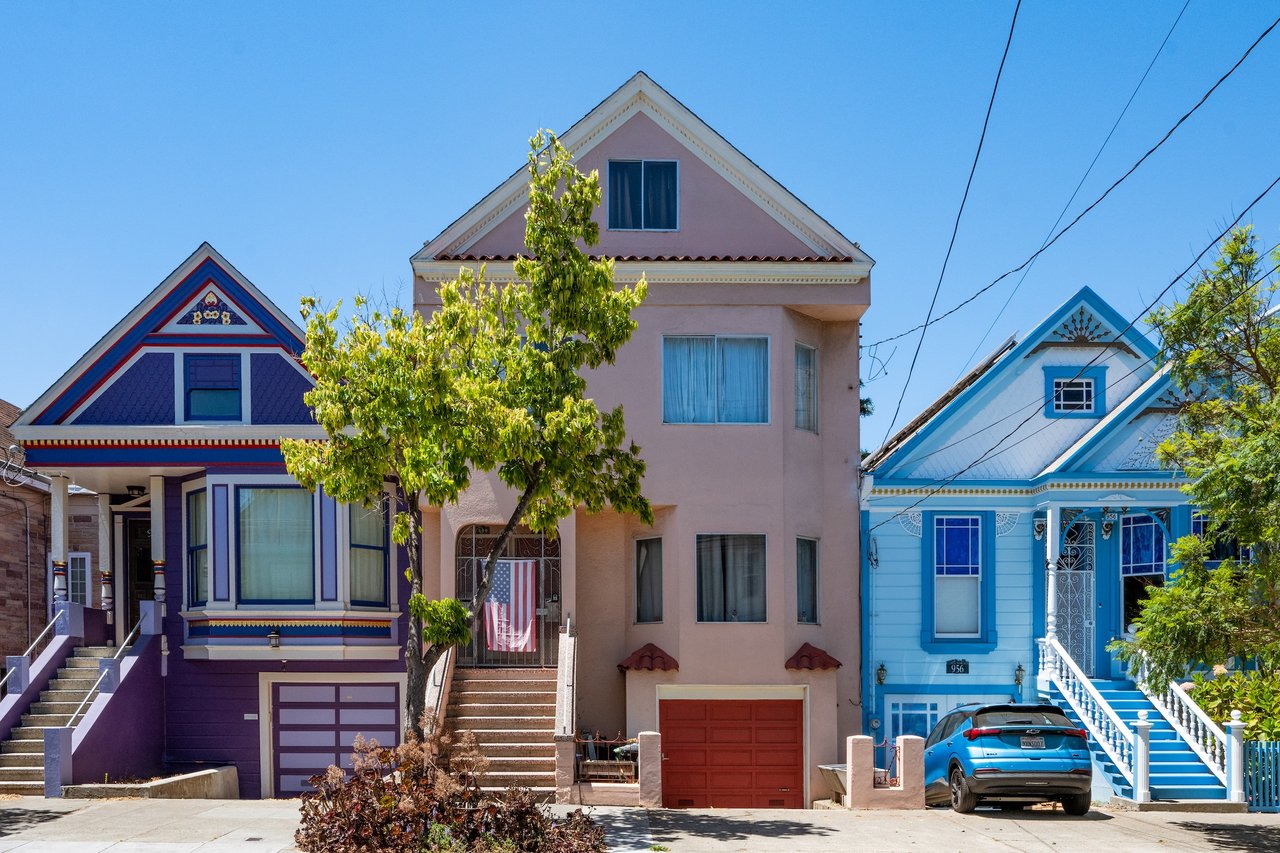
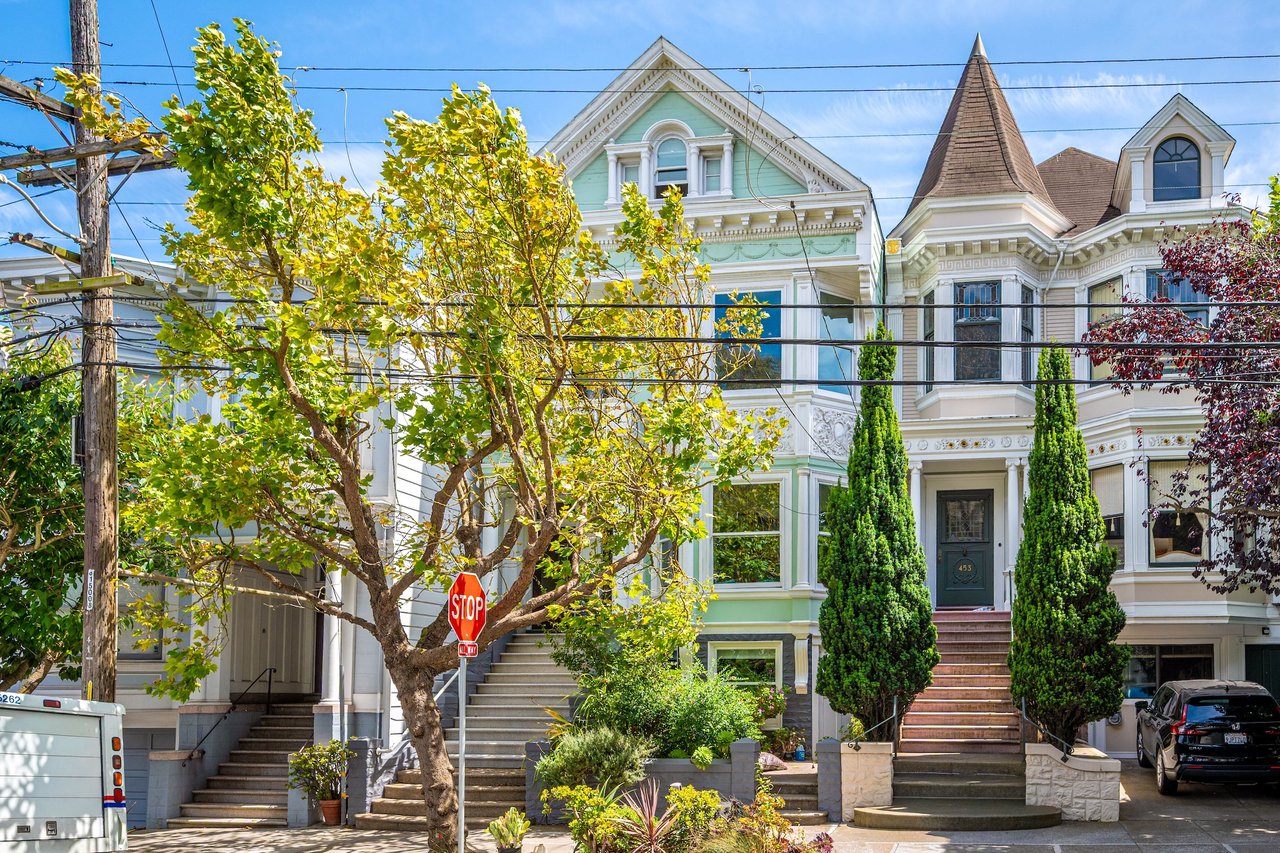
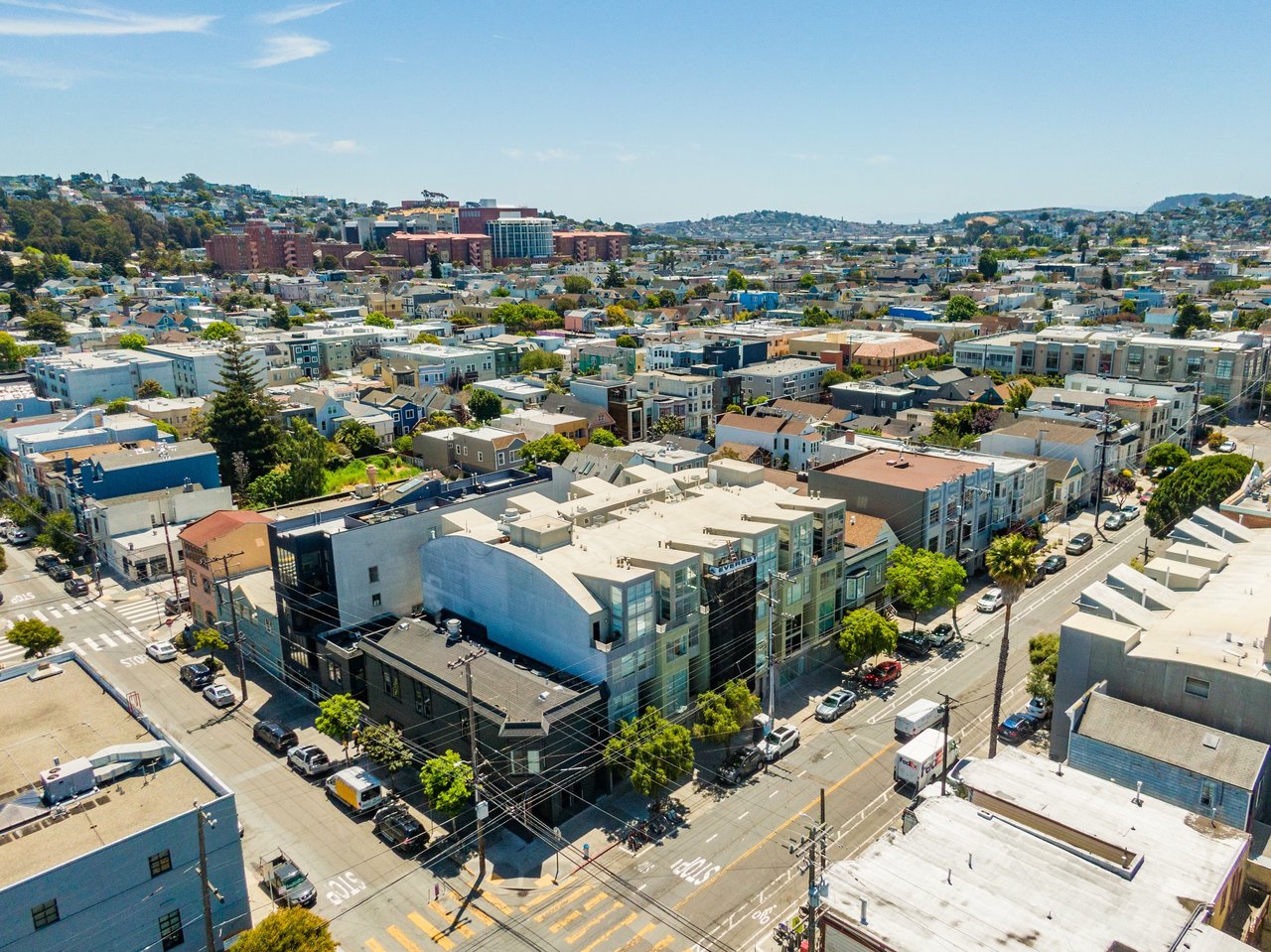
Over the past two decades, neighborhoods like the Mission, Dogpatch, Bayview, and Hayes Valley have undergone sweeping changes. Former industrial zones have been replaced with mixed-use developments, higher-end housing, and vibrant commercial corridors.
Key impacts include:
- Increased home values in historically affordable areas as demand surged.
- A shift in the buyer pool, with more equity-rich move-up buyers and investor capital competing in neighborhoods once overlooked.
- Affordability pressure, as rising costs push against both long-time residents and the commercial rents along established corridors.
For buyers, gentrifying neighborhoods can offer long-term appreciation potential, but they also come with uncertainty around zoning changes, development timelines, and how much of the price shift has already happened. Sellers in these areas often benefit from renewed interest and competitive offers, especially when transit and amenities are nearby.
Marin: subtler, but accelerating shifts
Marin's gentrification looks different. Instead of rapid urban redevelopment, the changes often show up through gradual turnover and lifestyle migration. Towns with walkable downtowns, established school districts, or proximity to transit, like San Anselmo, Fairfax, and Mill Valley, are drawing buyers relocating from San Francisco.
Effects include:
- Rising price points in walkable areas and those with easy freeway or ferry access.
- Modernization of older housing stock, as new owners renovate mid-century homes to fit contemporary tastes.
- Commercial evolution, as restaurants, shops, and community spaces respond to higher local spending and new demand.
Some historically quieter towns are experiencing their first real wave of price acceleration, reflecting their newfound appeal. If you're weighing a move across the bridge, my guide to buying and selling in Marin breaks down the central-Marin towns town by town.
Which Bay Area neighborhoods are gentrifying?
No two neighborhoods sit at the same point in the cycle, which is exactly why a citywide average tells you so little about your own block. A rough read on where the momentum is:
- Mid-cycle, still climbing (SF): the Mission, Dogpatch, and Bayview, where redevelopment and new commercial corridors continue to pull values up.
- Largely transformed (SF): Hayes Valley and parts of the Mission, where the bulk of the price shift has already happened and growth now tracks the broader market.
- Early-stage lifestyle migration (Marin): San Anselmo, Fairfax, and pockets of Mill Valley, where buyers leaving the city are bidding up walkable towns with strong transit access.
Where your home or target neighborhood sits on that spectrum is the single biggest driver of how to think about appreciation and pricing, and it changes faster than most national data captures.
Why this matters for buyers and sellers
For buyers, neighborhoods in transition can present both opportunity and risk. Early buyers in gentrifying areas often benefit from future value appreciation, but should do due diligence on planned developments, infrastructure improvements, and zoning changes. As the saying goes, past performance is not indicative of future results.
For sellers, understanding where your neighborhood sits in this cycle can shape both pricing and marketing strategy. Highlighting lifestyle, transit access, and local amenities helps attract the buyers driving these shifts, and a current home valuation tells you whether your block has already repriced or still has room to run.
Long-term trends
While the pace of gentrification ebbs and flows with the economy, the underlying forces, limited land, high demand, strong job markets, and lifestyle migration, are likely to keep reshaping Bay Area communities in the years to come.
When it's time for a detailed property valuation
Want to know where your neighborhood sits in this cycle and what it means for your home's value? Start with a free, no-obligation valuation, or reach out directly to talk through your options.
Bay Area gentrification: common questions
Which San Francisco neighborhoods are gentrifying the fastest?
The Mission, Dogpatch, and Bayview have seen the most sustained change, with former industrial zones giving way to mixed-use development and new commercial corridors. Hayes Valley has already largely transformed, so its growth now tracks the broader market rather than outpacing it.
Does gentrification increase home values?
Generally yes, in the affected neighborhoods. Rising demand, redevelopment, and an influx of higher-budget buyers tend to push prices up in historically more affordable areas. The lift is uneven block to block, and how much room is left depends on where the neighborhood sits in its cycle, which is why a current valuation beats a citywide average.
Is Marin gentrifying?
Yes, but more subtly than San Francisco. Rather than rapid urban redevelopment, Marin's change shows up as lifestyle migration: buyers leaving the city for walkable towns with strong transit and established school districts, like San Anselmo, Fairfax, and Mill Valley, renovating older homes and bidding up prices.
Should I buy in a gentrifying neighborhood?
It can offer strong long-term appreciation, but it carries more uncertainty than an established area. Before buying, look into planned developments, zoning changes, and infrastructure timelines, and weigh how much of the price shift has already happened. Early-cycle neighborhoods carry more upside and more risk; later-cycle ones are more predictable but offer less of a discount.
Your San Francisco & Marin agent

I've worked San Francisco and Marin real estate for over twenty-three years, across both the gentrifying city neighborhoods and the central Marin towns drawing buyers out of the city. I help buyers read where a neighborhood sits in its cycle, and I help sellers position lifestyle, transit, and amenities to reach the buyers driving today's shifts. If you want a read on what your home is worth in the current market, a short conversation is the right first step.
Vanguard Properties | 📞 415.244.5846 | ✉️ [email protected] | 🌐 burgelmanhomes.com