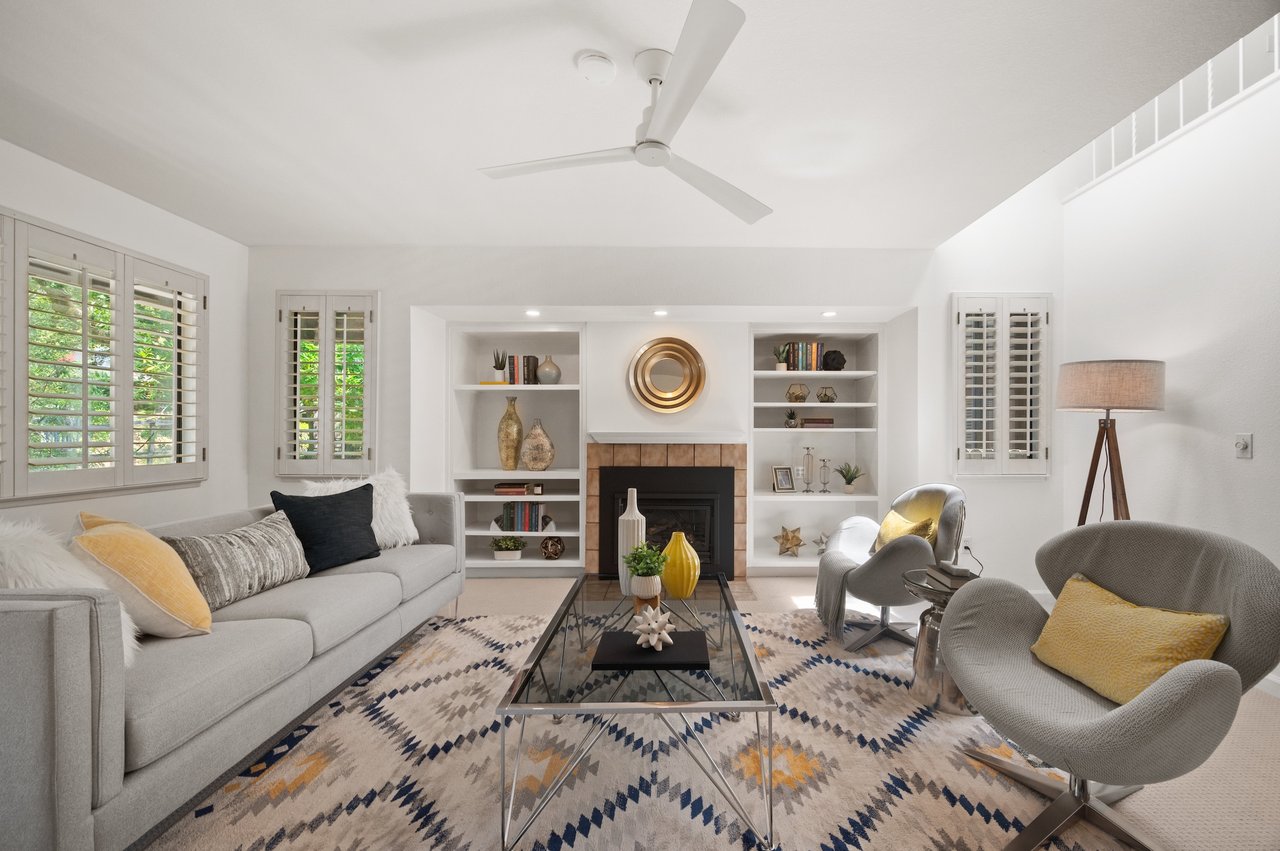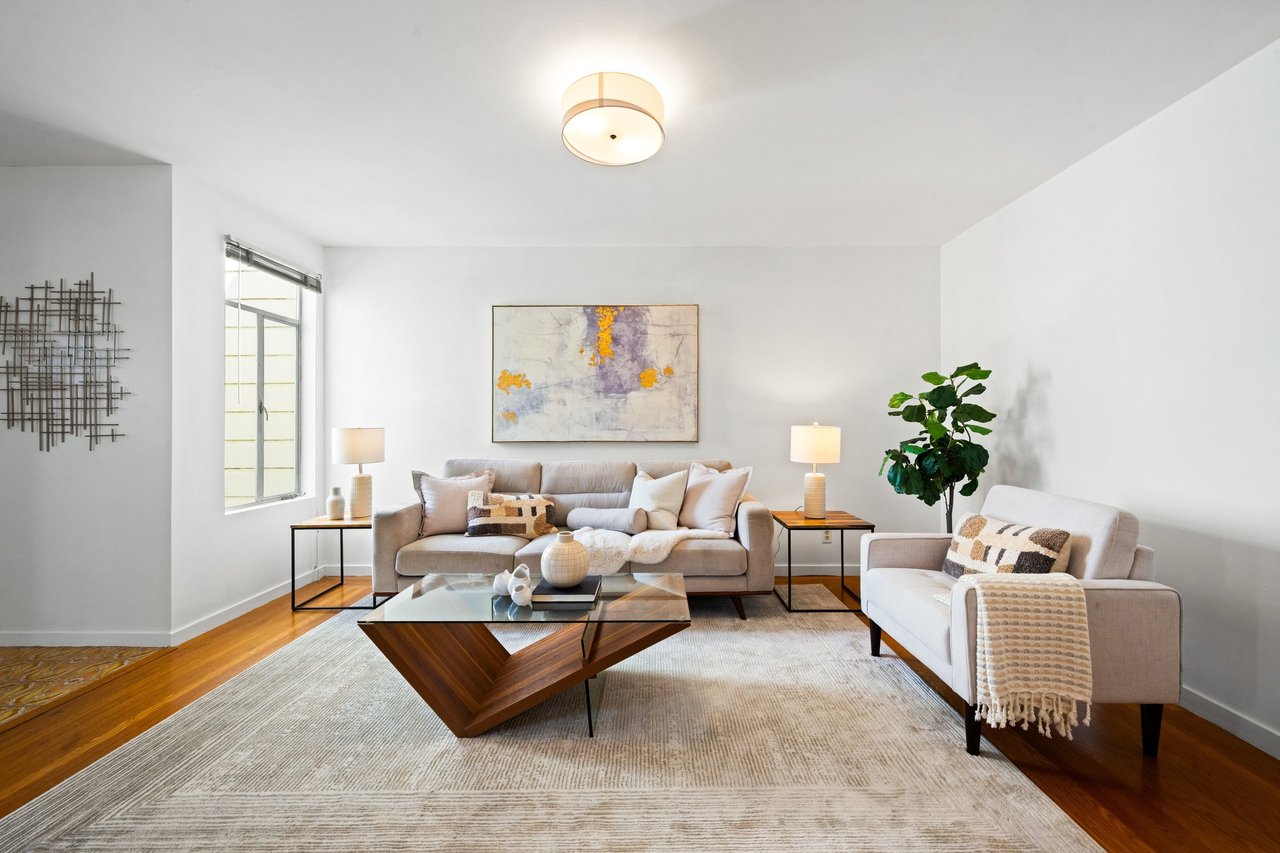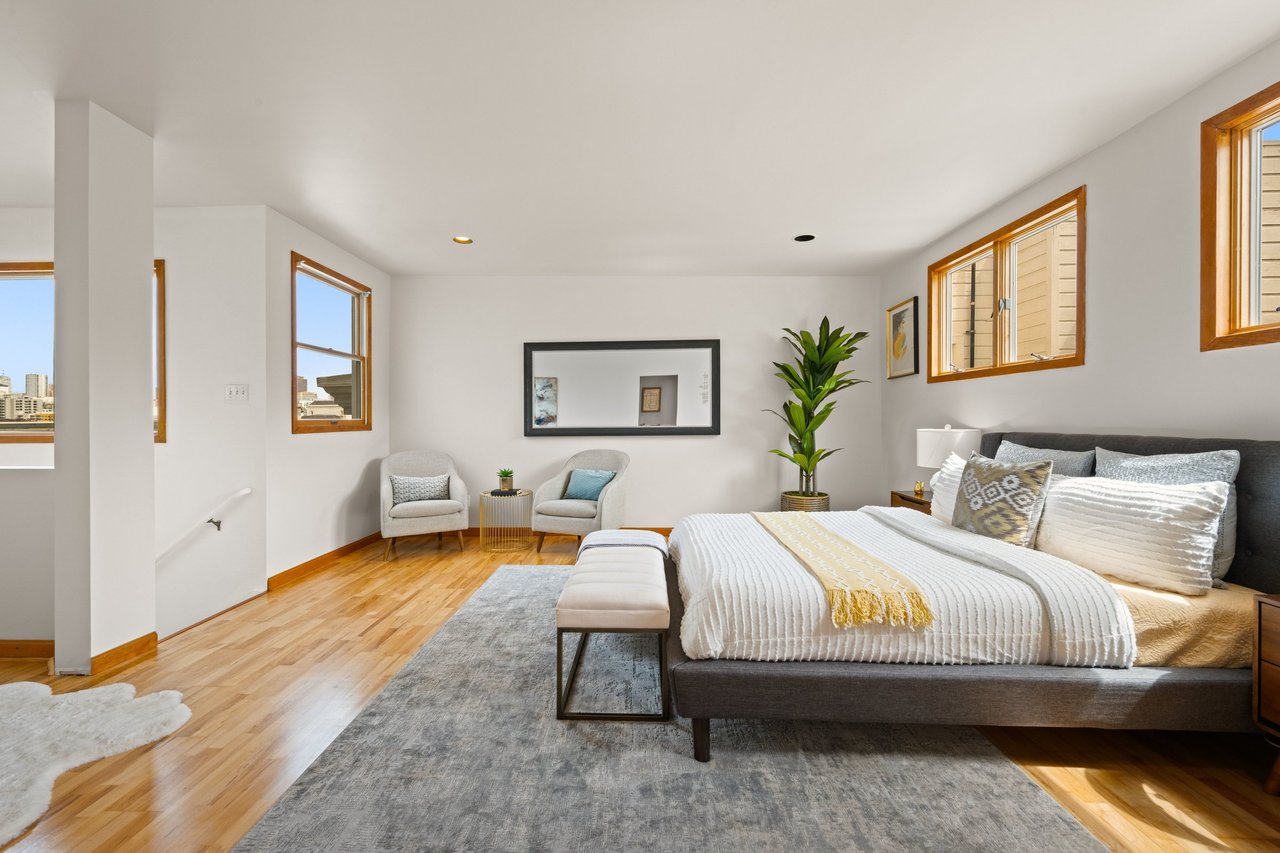
Staging isn't mandatory — but in competitive markets like San Francisco and Marin, it often pays for itself. Whether you're selling a condo in the city or a family home across the bridge, professionally staged homes tend to sell faster and attract stronger offers by creating an emotional connection with buyers and making your online photos stand out. Here's how to decide whether staging makes sense for your home.
Do I Need to Stage My Home to Sell?
One of the most common questions sellers ask is: "Do I really need to stage my home?" The short answer: not always — but in markets like San Francisco and Marin, staging can make a big difference. Whether you're selling a Noe Valley condo or a Mill Valley family home, staging often helps you attract more buyers, shorten your days on market, and maximize your sale price.
It isn't always part of the strategy, but when you're competing with similar homes on layout, finishes, and location, staging becomes a must. I work with excellent stagers who cost far less than most people expect. They'll create a look and feel that not only resonates in person but, most importantly, delivers beautiful photos and video that make your home stand out online.
Why Home Staging Works
Staging is about more than furniture and décor — it's about creating an emotional connection. Buyers aren't just evaluating square footage; they're trying to imagine themselves living in the space. In fact, NAR's 2025 research found that 83% of buyers' agents say staging makes it easier for buyers to picture a home as their own.
- ✓Online photos look brighter, cleaner, and more inviting.
- ✓Rooms feel bigger and flow better.
- ✓Neutral, well-designed staging helps buyers look past quirks or flaws.
In today's digital-first market, your listing photos are the first showing. Staging ensures they pop.
Staging also signals strength. A polished, well-presented home quietly tells buyers the seller isn't desperate and had the means to prepare the property properly, which protects your negotiating position. An unstaged home invites the opposite assumption, and buyers price that uncertainty into their offers.
The Key Idea
One of the least-discussed reasons staging is so effective is that it quietly removes the seller from the property. A staged home shifts the buyer's attention away from who lives here now to how could I live here? Without staging, buyers often start speculating about the seller — Are they downsizing? Struggling financially? — and that uncertainty can drag down their perception of value. Staging stops those questions before they start, letting buyers focus fully on the home itself, which is what drives higher offers.
Does Staging Pay Off? What the Data Actually Says
According to the National Association of Realtors' 2025 Profile of Home Staging, the case is clear on two fronts:
- ✓It sells faster. Roughly half of sellers' agents (49%) reported that staging reduced a home's time on market.
- ✓It can lift the price. Nearly 3 in 10 agents (29%) said staging increased the offer by 1–10% versus comparable un-staged homes — about 20% saw a 1–5% bump and another 10% saw a 6–10% jump.
On a $1.5M home, even a modest 2–5% lift is roughly $30,000–$75,000 — far outpacing a typical staging investment. In San Francisco and Marin, where buyers compare a lot of comparable inventory side by side, that edge matters.
Curious what a well-prepared sale could mean for your bottom line? Start with a no-obligation valuation.
When You Can Skip Staging
Staging isn't always necessary. You might consider skipping it — or going lighter — if:
- ✓Your home is already turnkey — beautifully updated and furnished.
- ✓You're selling at a lower price point in a very hot market.
- ✓The property is likely to attract investors who focus on numbers, not design.
In these cases, light staging — decluttering, a fresh coat of paint, and a few décor touches — may be enough. If a home needs significant updates and is priced well below comparable properties for that reason, full staging may not add much value and could be an unnecessary expense.
How Much Does Staging Cost in San Francisco & Marin?
Typical costs range from $4,500 to $9,000+, depending on the size of your home and the scope of the project. While that may feel steep, most sellers find the ROI well worth it. Staging usually happens alongside repairs and disclosures, so pair it with a pre-listing inspection checklist to keep prep on one timeline. Think of it as an investment in making sure your home looks its best in front of the largest possible audience — and I can often connect you with trusted local stagers at rates below what most sellers expect.
The Bottom Line: Should You Stage?
You don't have to stage your home — but if your goal is to sell quickly and for top dollar, staging is often one of the smartest moves you can make — especially if you’re timing your sale for the spring or early-fall selling window, when a polished listing stands out most. In San Francisco and Marin's competitive markets, it's not about decorating; it's about strategically showcasing your property to capture buyers' attention and imagination. I often remind clients that we control the buyer's experience — and giving up that control can mean leaving money on the table.
New to the selling process? Start with the San Francisco & Marin Home Seller's Guide for the full step-by-step.
Thinking of Selling? Let's Talk Staging.
I can walk you through whether staging makes sense for your property, recommend trusted local stagers, and show you the potential return on investment. As a San Francisco & Marin agent, Oliver Burgelman can build a plan around your specific home.
Call or text (415) 244-5846 · [email protected].
Home Staging FAQs
How much does home staging cost in San Francisco and Marin?
Most full staging projects run about $4,500 to $9,000+, depending on home size and how many rooms are staged. Lighter, partial staging or refreshing existing furniture costs less.
Is home staging worth it?
In most competitive SF and Marin sales, yes. NAR's 2025 data shows staging commonly reduces time on market and can lift offers by 1–10%, which typically outweighs the cost on higher-priced Bay Area homes.
Do I need to stage if my home is empty?
Empty homes are usually the strongest candidates for staging — bare rooms photograph poorly and make spaces feel smaller and harder for buyers to visualize. Even a partial stage of key rooms can make a big difference.
What's the difference between staging and just decluttering?
Decluttering and a fresh coat of paint prepare the home; staging actively designs it to photograph well and help buyers imagine living there. For occupied homes that already show well, light staging may be all you need.
About Oliver Burgelman
Oliver Burgelman — Broker Associate, Vanguard Properties. San Francisco & Marin real estate, with 20+ years and $350M+ closed.
📞 415.244.5846 ✉ [email protected] 🌐 burgelmanhomes.com