South of Market (SoMa) Real Estate Agent
San Francisco's downtown-edge neighborhood of warehouse lofts, glass condo towers, and waterfront living, from Rincon Hill and South Beach to Yerba Buena and South Park, where value is read building by building.
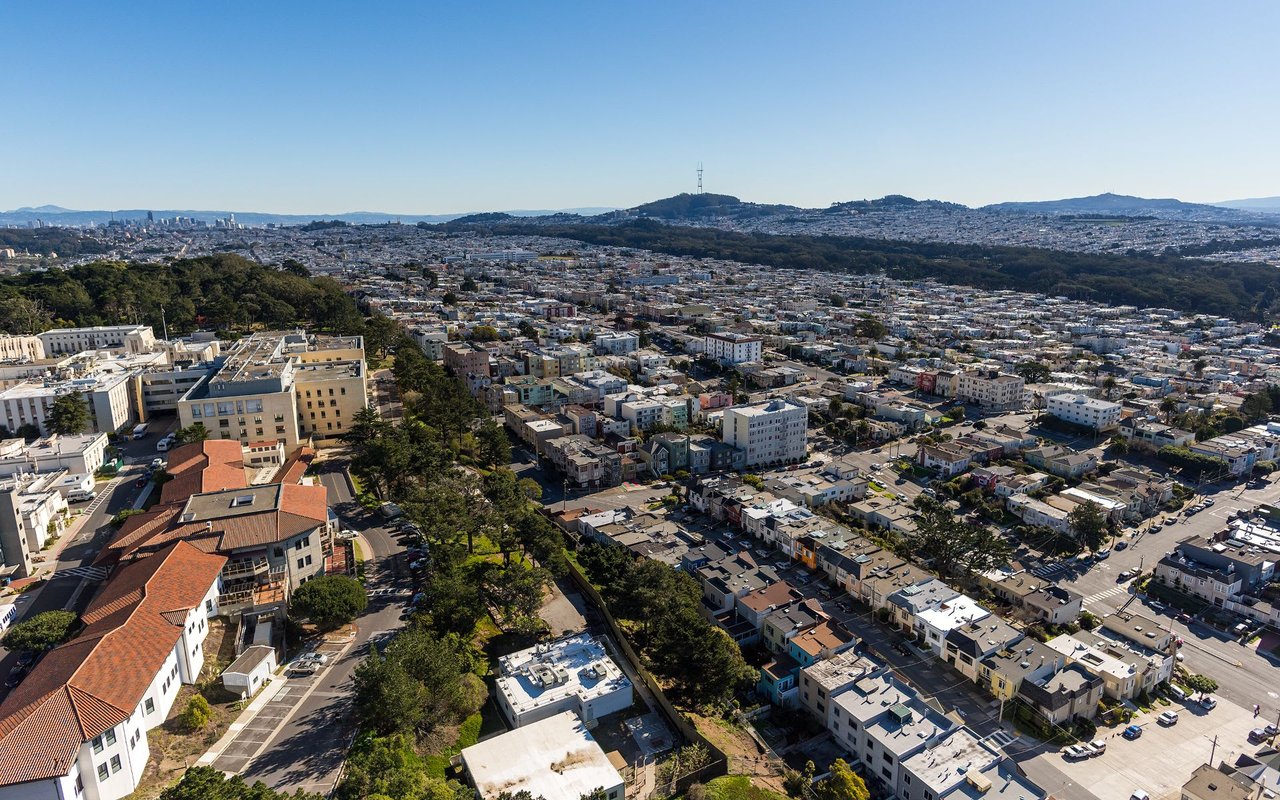
Selling a home in SoMa (South of Market) means pricing one of San Francisco's largest and most varied neighborhoods, the downtown-edge district that runs roughly from the Embarcadero and the bay west to about 11th Street, and from Market Street south to Townsend Street and the Mission and Potrero Hill edges. SoMa was originally an industrial district of factories and warehouses, and over the past few decades those spaces have been converted into loft residences, live-work units, galleries, and offices, alongside a generation of new mid-rise and high-rise condo towers. Housing stock is almost entirely attached and vertical: warehouse loft conversions with exposed brick and high ceilings, luxury high-rise condo towers (Rincon Hill and the East Cut hold many of the city's tallest residential buildings), mid-rise and boutique condo buildings, live-work lofts, and a small number of townhomes; traditional single-family homes are rare. The neighborhood is anchored by SFMOMA, the Yerba Buena Center for the Arts and Yerba Buena Gardens, Moscone Center, Oracle Park, South Park, and the Embarcadero waterfront. SoMa sits within SFAR MLS District 9, which also covers South Beach, Yerba Buena, and the Mission Bay edge. Because the market is condo-dominant, value is read building by building: as a general guide, the median sold price runs around the high-$800,000s to roughly $1.0M, near $1,000 per square foot, with time on market that runs longer than the citywide single-family pace, and a range from roughly $500K for studios and one-bedrooms to $5M+ for large lofts and high-floor tower residences. (These are general estimates; the condo segment prices on the specific building, floor, view, and HOA, so reach out for a read on your unit.) Served by BART and Muni Metro (Embarcadero, Montgomery, Powell, and Civic Center stations), Caltrain at 4th and King, and direct access to I-80, I-280, and US-101. ZIP codes 94103, 94105, and 94107. SoMa listing agent: Oliver Burgelman, Broker Associate at Vanguard Properties (DRE #01388135), 23+ years in San Francisco real estate, $350M+ closed across 300+ transactions, 85+ five-star reviews. Contact: 415.244.5846.
Why selling in SoMa is different
SoMa does not price like the single-family neighborhoods that make up most of San Francisco, and the reason is that it is a condo and loft market, not a house market. In a neighborhood of detached homes, the comp set is the block. In SoMa, the comp set is the building first, and often the specific line within the building. Two units in the same tower can sell hundreds of thousands of dollars apart based on the floor, the view, the exposure, the line, the finish level, and whether the unit has deeded parking. Pricing a SoMa home well starts with reading the recent sales inside your own building and the closest comparable buildings, not the neighborhood average, which spans everything from a ground-floor studio to a high-floor penthouse.
The second feature is the building economics and the legal structure. SoMa homes come as condos, loft conversions, live-work units, and the occasional TIC, and each carries different financing, different buyer pools, and different resale dynamics. On top of that, the building itself is part of the price: HOA dues, the health of the reserves, the amenity package, and any pending or recent special assessment all move what a buyer will pay and what a lender will approve. In the high-rise towers especially, buyers scrutinize HOA documents closely, so a clean, well-documented building story is a real pricing asset, and an unresolved assessment or a thin reserve is a real drag that has to be priced and disclosed honestly.
The third feature is concurrent inventory and the need for pricing precision. In a large tower, several units may be listed at the same time, so your home is often competing directly with its own neighbors. That makes positioning, preparation, and an accurate list price matter more than in a scarce single-family market where a buyer has few alternatives. A SoMa home that is priced precisely to its building and line, prepared to show its light and its view, and supported by a clean document package tends to sell efficiently; a home priced to the neighborhood average or to a different building's comps tends to sit. The pricing work here is precise, building-specific, and document-driven, and getting it right is the difference between a clean sale and a stale listing.
SoMa market snapshot
How your SoMa home prices
Most SoMa homes fall into one of five categories, and each one prices on its own logic. Building, floor, view, line, legal structure, parking, and HOA health run through all of them.
- Warehouse loft conversions. Former industrial and warehouse buildings converted to residences, with exposed brick or timber, high ceilings, large windows, and open floor plans. Concentrated in Western SoMa, South Park, and the Yerba Buena area. Price on ceiling height, light, the quality and character of the conversion, outdoor space, and parking. The loft buyer pool is specific and values the volume and the character, so true loft character commands a premium over a generic open plan.
- Luxury high-rise condos. The tower residences in Rincon Hill, the East Cut, and along the South Beach and Embarcadero edge, including many of the city's tallest residential buildings. Price on the building, the floor, the view, the exposure and line, the finish level, the amenity package, deeded parking, and the HOA. Two units in the same tower can sell far apart based on these variables, so the comp set is the building and line first.
- Mid-rise and boutique condo buildings. Smaller condo buildings throughout SoMa, from converted structures to newer infill. Price on the building, the specific unit, light and outlook, outdoor space, parking, and HOA structure. The buyer pool overlaps with first-time buyers, downsizers, and professionals who want SoMa access without a full-service tower's dues.
- Live-work lofts. Units zoned for flexible residential and commercial use, popular with entrepreneurs and creatives. Price on the layout, the legal use designation, ceiling height and light, parking, and the specific building. The flexible zoning is an asset for the right buyer pool, and marketing the live-work designation correctly reaches that pool.
- Townhomes and the rare single-family. A small number of townhomes and smaller attached homes, mostly in the western and South Park pockets of SoMa. These price on the comp set of similar attached homes, condition, outdoor space, and parking, and are scarce enough that the comp set often reaches into adjacent neighborhoods.
Where your home fits in this map sets a starting band, and the building, floor, view, line, parking, and HOA then move the number within it. As a general guide: studios and one-bedrooms in mid-rise buildings typically trade in the $500K to $850K range. Larger one-bedrooms and two-bedrooms in good buildings run $850K to $1.5M. High-floor tower residences, large lofts, and premium-line two- and three-bedrooms sit $1.5M to $3M. Penthouses, the highest view lines, and the largest loft residences reach $3M to $5M+, with the most significant tower penthouses going higher. Because the spread within a single building can be wide, the most important step when you are weighing a sale is a valuation read against the recent sales in your own building and line. Request a free home valuation.
Sub-area pricing
SoMa is large and reads as one district from outside, but four loosely defined sub-areas trade on meaningfully different fundamentals. Here is what tends to pull premiums in each one.
Rincon Hill & the East Cut
The high-rise tower cluster at the northeastern edge of SoMa, near the Salesforce Transit Center and the Financial District, with many of the city's tallest residential buildings. This is the densest luxury condo market in SoMa, and value here is driven by the building, the floor, and the view: high floors with protected Bay Bridge and water views anchor the top of the band. Pricing strategy: read the comp set as the building and the line first, emphasize the view and the floor in marketing, and present a clean HOA and amenity story, since the tower buyer pool scrutinizes building economics closely.
South Beach, the ballpark & the Embarcadero waterfront
The eastern waterfront edge around Oracle Park, the South Beach Marina, and the Embarcadero, with mid-rise and high-rise condos and a lifestyle anchored by the ballpark, the bay, and the promenade. Value here is driven by the waterfront and ballpark proximity, the view, and the walk-to-the-water lifestyle. Pricing strategy: emphasize the waterfront access, the Oracle Park proximity, and any bay or water view; the buyer pool prioritizes the lifestyle and the outlook, and a water-view line commands a clear premium over an interior unit in the same building.
Yerba Buena & the SFMOMA cultural core
The central cultural core around SFMOMA, the Yerba Buena Center for the Arts, Yerba Buena Gardens, and Moscone Center, with mid-rise lofts and condos and walk-to-everything access to museums, shopping, and Union Square. Value here is driven by the walkability and the cultural proximity. Pricing strategy: emphasize the walk radius to the museums, the gardens, Union Square, and the Westfield shopping, plus the building and unit specifics; the buyer pool values living at the center of the city's cultural district.
Western SoMa & South Park
The more varied, lower-rise western and central pocket around South Park and the converted industrial blocks, with the deepest concentration of warehouse loft conversions and live-work units and a more creative, neighborhood-scaled feel. Value here is driven by loft character, ceiling height and light, and the South Park setting. Pricing strategy: emphasize the loft volume and character, the South Park proximity, and any flexible live-work designation; the buyer pool here is specific and values the architecture and the creative-district setting over the full-service-tower experience.
What drives premiums in SoMa
Features that consistently produce premium sale outcomes, features that trade in the middle of the spread, and conditions that tend to need sharper pricing or prep.
- High floors with protected Bay Bridge or water views
- Corner and preferred view lines
- Deeded parking (one or two spaces)
- Full-service buildings with healthy HOA reserves
- Private terraces & balconies
- True loft character: ceiling height & light
- Mid-floor units with city views
- Standard one-bedroom layouts
- Lofts and condos in good condition
- Well-run mid-rise buildings
- Functional floor plans without a standout view
- Low floors with obstructed views
- No parking
- Buildings with high dues or pending special assessments
- Interior or low-light units
- Dated finishes needing renovation
Listing strategy in SoMa
A correct SoMa list price is not a single number, it is a pricing strategy keyed to your building, your line, your view, and the inventory you are competing with. There are roughly four moves available. Price to your building's recent line comps and let precise positioning draw the active pool, which works when there are recent comparable sales in your building or a closely matched building and the goal is an efficient sale at a defensible number. Price competitively to stand out when your building has concurrent inventory, which works when several units in your tower are listed at once and the goal is to be the unit that trades first. Price at the high end with patience for genuinely scarce product, which fits true penthouses, the highest view lines, and the largest loft residences where the comp set is thin and the right buyer is worth waiting for. Time the listing around your building's document and assessment cycle, which matters when a budget, a reserve study, or an assessment decision is pending and the clean version of the building story is worth waiting for. The right move depends on your building, your unit, and the competing inventory.
Prep is the other lever, and in SoMa it is heavily about light, view, and documentation. Most SoMa homes benefit from staging that frames the view and the light, professional photography (including twilight photography where the view supports it), decluttering that lets a loft's volume read, and a refresh on dated finishes. The document package is just as important as the physical prep: a clean, complete set of HOA documents (budget, reserve study, meeting minutes, and a clear account of any assessment) prepared up front speeds the sale and protects the price, because SoMa buyers and their lenders scrutinize building economics closely. You can read more about the process in my San Francisco sellers guide, and I walk through the building-specific strategy with you in the pricing call.
Your SoMa listing agent

I have been selling San Francisco condos and lofts for over two decades, and SoMa is one of the most building-specific pricing reads in the city. This is a condo and loft market, not a house market, so the comp set is the building and the line first, not the block, and the variables that move a SoMa number are the floor, the view, the exposure, the parking, the legal structure (condo, loft, live-work, or TIC), and the health of the HOA. The neighborhood spans everything from warehouse loft conversions in South Park to high-floor tower residences in Rincon Hill and the East Cut to waterfront condos along South Beach and the Embarcadero, and each of those prices on its own logic. I know how to read the recent sales inside a specific building, how to position a unit against its own concurrent inventory, how to present a clean HOA and assessment story that holds the price, and how to market the view, the light, and the loft character to the buyer pool that actually pays for them. Career track record: 23+ years, $350M+ closed across 300+ transactions, 85+ five-star reviews. If you are considering a SoMa sale, the first step is a valuation read against the recent sales in your own building and line.
Frequently asked questions about selling a SoMa home
What is my SoMa condo or loft worth?
How long does it take to sell a home in SoMa?
How do you price a high-rise condo vs a loft vs a live-work unit?
Do HOA dues and special assessments affect my sale price?
What does it cost to sell a home in SoMa?
What is the difference between a condo, a loft, a live-work unit, and a TIC?
How do you market a SoMa listing?
What are the main parts of SoMa?
Who is the best SoMa real estate agent?
Considering buying in SoMa instead?
Ready to talk about selling your SoMa home?
SoMa is a building-specific market, and the pricing work is precise: your floor, your view, your line, your parking, your legal structure, and your HOA all move the number, and the neighborhood average is rarely the right figure for any specific unit. If you are considering a sale, the first step is a valuation read against the recent sales in your own building and line, followed by a 15-minute pricing call to walk through positioning, document preparation, and prep strategy for your home. No commitment to list, just an honest read on where your home sits in today's SoMa market.
```