Lower Pacific Heights
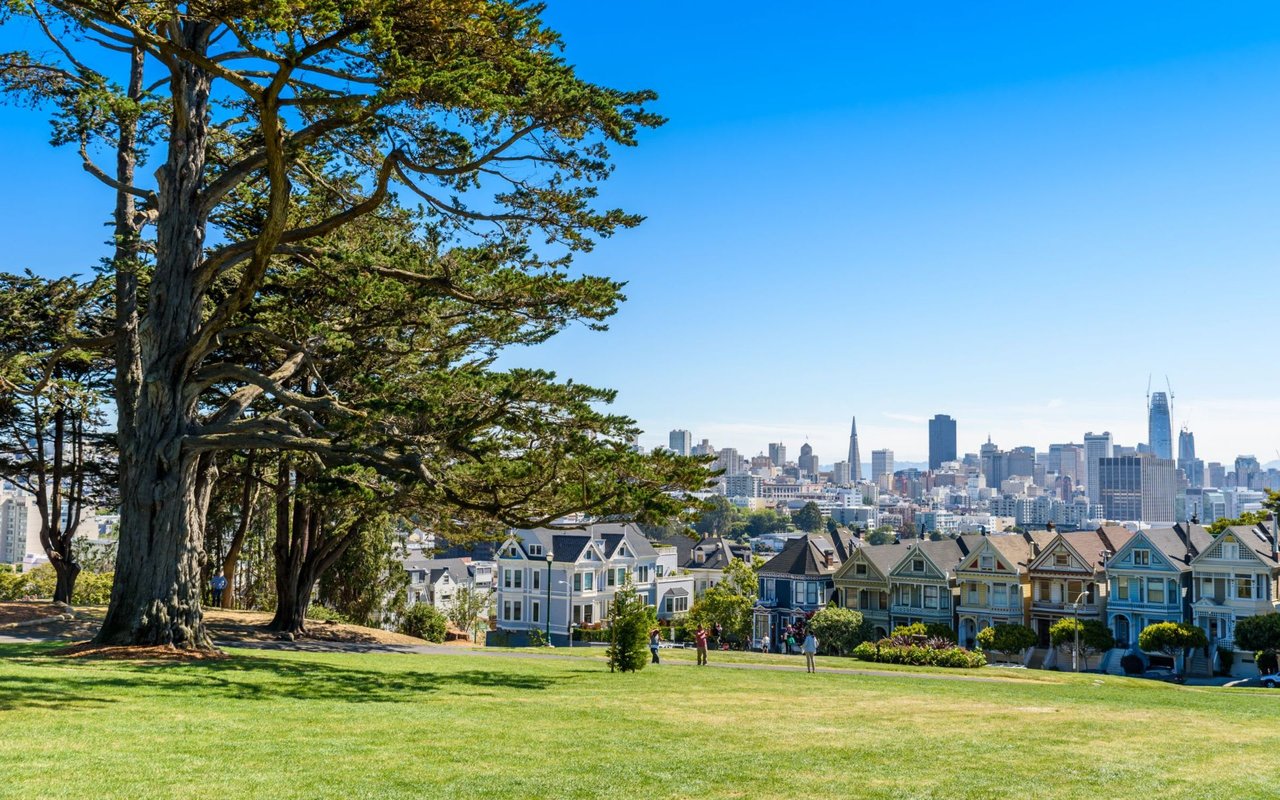
The walkable neighborhood just south of Pacific Heights, where Victorian and Edwardian flats line the residential blocks, the Fillmore Street shops and restaurants anchor daily life, and Japantown sits at the southern edge.
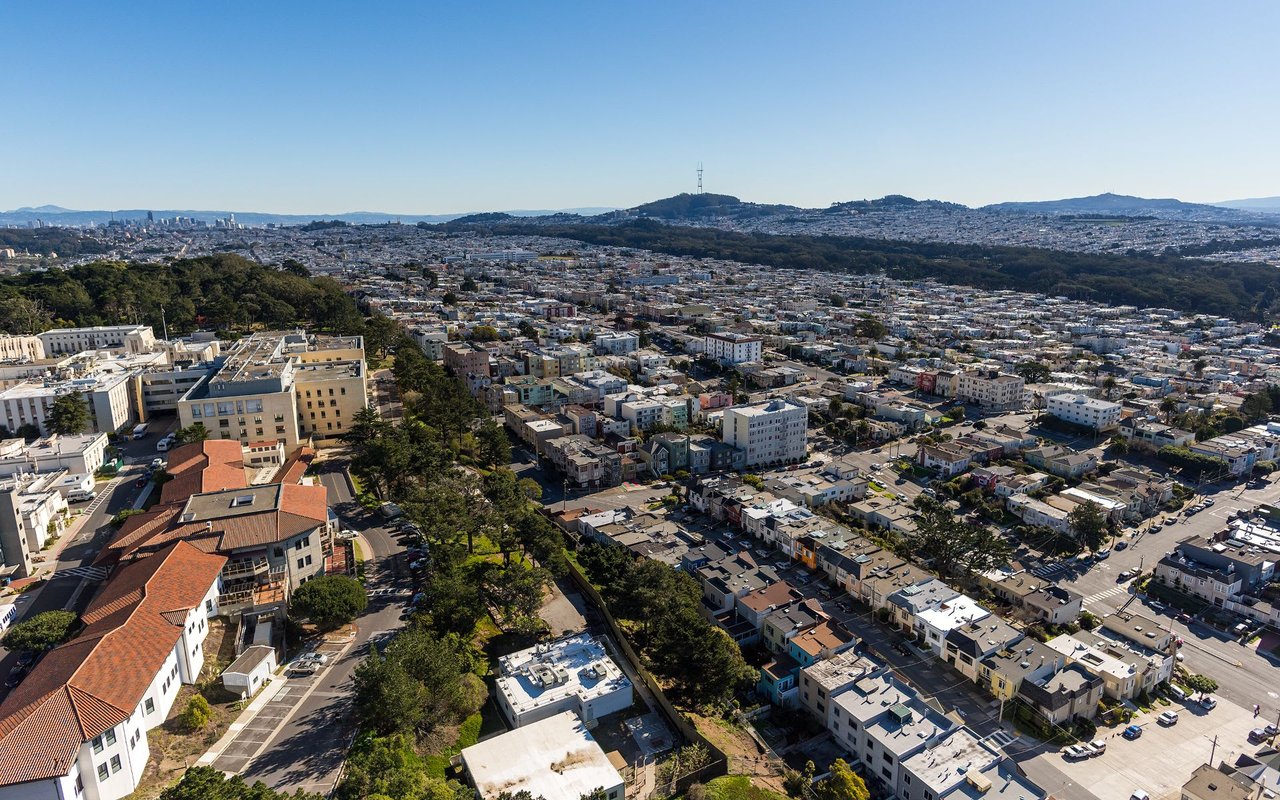
Selling a home in Lower Pacific Heights means pricing one of San Francisco's most walkable and architecturally consistent neighborhoods, the blocks that sit directly south of Pacific Heights proper and run down toward Japantown and the Western Addition. The neighborhood is bounded roughly by California Street on the north (above which the slope climbs into Pacific Heights), Geary Boulevard on the south (below which sits the Western Addition and the Fillmore), Van Ness Avenue on the east (across which sits Cathedral Hill and Polk Gulch), and Divisadero Street on the west (across which sits the Western Addition and Anza Vista). Fillmore Street runs north-south through the neighborhood as the main shopping and dining street, with boutiques, cafes, and restaurants drawing foot traffic from across the northern side of the city, and Japantown sitting at the southern edge around Post and Geary. Lafayette Park sits just inside the northern edge, and the California Street cable car runs along the northern boundary as a direct car-free connection to the Financial District. Housing stock is dominated by two- to four-unit Victorian and Edwardian flats, many converted to condominiums or sold as tenancy-in-common shares, alongside purpose-built condominiums, single-family Victorian and Edwardian homes, larger multi-unit income buildings, and a small tier of co-ops and pre-war condos closer to the Pacific Heights edge. The neighborhood sits within SFAR MLS District 7, the same subdistrict as Pacific Heights, so the two areas share a reporting set even though Lower Pacific Heights trades at lower absolute prices and a faster pace. Recent sale data across condo, flat, and single-family closings is mixed by property type, with headline averages pulled up by the larger single-family and multi-unit sales: median sold price approximately $1.5M, average closer to $1.9M when larger homes and income buildings are included, median around $1,050 per square foot, median 28 days on market, with a range that runs from $700K for the smallest condos to $5M+ for renovated single-family homes and larger income buildings. A recent representative sale: 1700 Gough Street #404, a turn-key two-bedroom condo with deeded parking at the corner of Gough and California, listed at $895,000 and sold for $950,000, six percent over list, in under ten days with multiple offers (approximately $969 per square foot). Served by the California Street cable car along the northern edge, plus the 1 California, 2 Sutter / Clement, 3 Jackson, 22 Fillmore, 24 Divisadero, 38 Geary, and 49 Van Ness Muni lines (no BART). ZIP codes 94115 and 94109. Lower Pacific Heights listing agent: Oliver Burgelman, Broker Associate at Vanguard Properties (DRE #01388135), 23+ years in San Francisco real estate, $350M+ closed across 300+ transactions, 85+ five-star reviews. Contact: 415.244.5846.
Why selling in Lower Pacific Heights is different
Lower Pacific Heights prices on property type more than almost any other variable, and that is the first thing a seller here needs to understand. Most of the neighborhood is two- to four-unit Victorian and Edwardian flats, and over the decades those buildings have been divided up in different ways: some are condominiums, some are sold as tenancy-in-common shares, some remain whole as single-family homes or as income buildings with tenants in place. Two buildings on the same block that look nearly identical from the sidewalk can carry very different price tags depending on how they are legally held and what a buyer can actually do with them. The condominium, the TIC share, the vacant single-family conversion, and the tenant-occupied income building each draw a different buyer pool and price on different logic, so the starting question on any Lower Pacific Heights sale is not just what the home is worth, it is which version of the home you are actually selling.
The second feature is the buyer pool, which is broad and steady. Lower Pacific Heights attracts professionals, families, and longtime city residents who want walkability, the Fillmore Street shops and restaurants, and proximity to Pacific Heights without Pacific Heights prices. First-time buyers and move-up buyers compete for the condo and TIC inventory, while families and longtime owners compete for the single-family homes and the larger flats. That depth keeps absorption healthy for well-presented and well-priced homes: the neighborhood's median time on market runs around 28 days, faster than Pacific Heights proper, because the entry and mid price points have a deep, ready buyer pool rather than a thin, patient one. Pricing strategy here rewards getting the number right at launch, because a well-priced Lower Pacific Heights home in good condition often draws competitive interest in the first two weeks.
The third feature is the Pacific Heights edge effect. The blocks closest to California Street sit right up against Pacific Heights proper, and a home a block or two south of California can read to buyers as part of the same walking radius as homes that command meaningfully higher prices a few blocks north. That proximity can pull value up, but only when the pricing and the marketing read the boundary honestly. Overreaching on the Pacific Heights association can stall a Lower Pacific Heights listing, while pricing it accurately to its own comp set and then letting the walkability and the location do the work tends to produce the stronger result. Knowing exactly where the pricing line falls between the two areas, block by block, is one of the most useful things a listing agent brings to a sale here.
Lower Pacific Heights market snapshot
A Lower Pacific Heights seller case study: 1700 Gough Street #404, Gough and California
1700 Gough Street #404 was a turn-key two-bedroom, two-bath, 980-square-foot condo with deeded parking in an elevator building at the corner of Gough and California, on the northern edge of Lower Pacific Heights. It is one of the strongest working corners in central San Francisco: the California Street cable car runs east toward the Financial District, Lafayette Park sits one block uphill, and a full-size Whole Foods anchors the opposite corner, with the Fillmore Street shops a five-minute walk away. Listed at $895,000, it sold for $950,000, six percent over list, in under ten days with multiple offers.
The result came from reading one specific segment honestly. Turn-key plus deeded parking plus that particular block is the most liquid combination in the Lower Pacific Heights condo market, and almost nothing else in central San Francisco at this price point offers the same mix of walkability and direct downtown transit. The unit was prepared, staged, photographed, and then priced to respect how tight that segment really is rather than reaching past it, which is what drew several written offers in the first two weeks. The same approach drives outcomes across the neighborhood: whether the home is a parking-equipped condo near the cable car, a full-floor Edwardian flat off Fillmore, a single-family Victorian, or an income building, the work is matching the price and the presentation to the buyer pool that property actually serves.
How your Lower Pacific Heights home prices
Most Lower Pacific Heights homes fall into one of five categories, and each one prices on its own logic. Legal structure, sub-area position, condition, and (for condos) the specific building run through all of them.
- Victorian and Edwardian flats and TICs (two- to four-unit buildings). The most common property here. Many of these buildings have been converted to condominiums or are sold as tenancy-in-common shares; others remain whole. A condominium share trades at a premium to an otherwise identical TIC share because of financing and resale flexibility, so the legal structure is often the single biggest pricing variable. Trade on legal structure, the unit's floor and light, original detail and updates, parking, and walking distance to Fillmore Street.
- Condominiums and condo conversions. Purpose-built condo buildings plus condo conversions of older flats and multi-unit properties. These draw the deepest buyer pool in the neighborhood, including first-time and move-up buyers. Price on the building's condition and HOA structure, unit configuration, parking, outdoor space, and walking distance to Fillmore Street and the parks just north.
- Single-family Victorian and Edwardian homes. A smaller but meaningful tier of whole houses, many of them Victorian and Edwardian homes that were either built as single-family or reconverted from flats. These draw families and longtime city residents who want a full house in a walkable location. Price on condition, the quality of any renovation, the floor plan, outdoor space, and proximity to the Pacific Heights edge and the Fillmore shops.
- Larger multi-unit Victorian and Edwardian income buildings. Whole three- to six-unit buildings sold as income property or as conversion or owner-occupancy opportunities. These draw investors and owner-occupants doing the math on rent, occupancy, and conversion potential. Price on the rent roll, the occupancy and tenancy status, the building's condition and systems, and the realistic path to condo conversion or owner move-in.
- Co-ops and pre-war condos on the Pacific Heights edge. A small tier of co-op and pre-war condo units in the buildings closer to California Street and the Pacific Heights boundary. Price on the specific building, the floor and light, the unit's condition, and the HOA structure for condos or the board approval and assessment history for co-ops.
Where your home fits in this five-category map sets a starting band, and legal structure, sub-area, condition, and (for condos) the specific building then move the number within that band. As a current rule of thumb based on recent closings: smaller condos and TIC shares typically trade $700K to $1.4M, with the condo-versus-TIC structure driving a meaningful part of the spread. Larger condos, full-floor units, and well-located flats sold as condos run $1.4M to $2.5M. Single-family Victorian and Edwardian homes in good condition sit $2.0M to $4.0M, with renovation status and proximity to the Pacific Heights edge pulling the upper end. Larger multi-unit income buildings trade $2.5M to $5M+ depending on units, rent roll, and condition. These are estimates; the single best move when you're weighing a sale is a current valuation on your specific address. Request a free home valuation.
Sub-area pricing
Lower Pacific Heights reads as one walkable neighborhood, but four sub-areas trade on meaningfully different fundamentals. Here's what's pulling premiums in each one.
The Fillmore Street corridor (shops, restaurants, and the walkable blocks around them)
The blocks closest to Fillmore Street, where the boutiques, cafes, and restaurants draw daily foot traffic from across the northern side of the city. Homes within a short walk of Fillmore pull a walkability premium that shows up across condos, flats, and single-family homes. The buyer pool here values being able to walk out the door to coffee, dinner, and shopping, and that convenience translates directly into price. Pricing strategy: name the walking radius to Fillmore in the marketing and treat the corridor proximity as a distinct asset alongside legal structure, condition, and light.
The California Street and Pacific Heights edge (northern blocks)
The northern blocks closest to California Street, sitting right against Pacific Heights proper, with the California Street cable car running along the top edge, Lafayette Park one block uphill, and a full-size Whole Foods at Gough and California. Homes here can read to buyers as part of the same walking radius as Pacific Heights, which can pull value up when the pricing reads the boundary honestly. The buyer pool overlaps with the lower end of the Pacific Heights condo and flat market. Single-family homes, larger flats, and parking-equipped condos concentrate value here; 1700 Gough Street #404, the two-bedroom condo with deeded parking that sold six percent over list in under ten days, is on this stretch. Pricing strategy: price accurately to the Lower Pacific Heights comp set first, then let the proximity to Pacific Heights, Lafayette Park, the cable car, and the Fillmore shops do the work in the marketing rather than reaching past the comps.
The Japantown edge and the southern blocks (Post, Sutter, toward Geary)
The southern blocks running down toward Japantown and Geary Boulevard. Condos and flats concentrate here, with the Japantown shops, restaurants, and the Kabuki theater as walkable amenities and excellent transit on the Geary and Sutter corridors. The buyer pool skews toward first-time and move-up condo buyers who want value and walkability. Pricing strategy here focuses on building (for condos), unit configuration, parking, and condition, and on the genuine convenience of Japantown and the transit lines, while pricing carefully on the blocks closest to the busier Geary and Van Ness corridors.
The western blocks toward Divisadero (Alta Plaza Park edge)
The western blocks running toward Divisadero Street, below the Alta Plaza Park edge that marks the Pacific Heights boundary to the north. These quieter residential blocks hold a mix of flats, condos, and single-family homes, with Alta Plaza Park just uphill and the Divisadero corridor shops and cafes to the west. The buyer pool values the calmer streets and the proximity to both the Fillmore corridor to the east and the Divisadero corridor to the west. Pricing strategy: emphasize the quiet residential character, the parking that is often easier here, and the walk to both commercial corridors alongside the standard reads on legal structure, condition, and light.
What's pulling premiums in Lower Pacific Heights right now
Features that consistently produce premium sale outcomes, features that trade in the middle of the spread, and conditions that tend to need sharper pricing or prep.
- Condominium ownership over TIC for an otherwise similar unit
- Short walking distance to Fillmore Street shops and dining
- Renovated single-family Victorian and Edwardian homes
- Top-floor and full-floor flats with good light
- Deeded parking in a walkable location
- Northern blocks close to the Pacific Heights edge
- Original Victorian and Edwardian detail preserved with updated systems
- Mid-floor condos in well-maintained buildings
- TIC shares with a clear, financeable structure
- Flats in good condition without parking
- Income buildings with a steady, market-rate rent roll
- Clean systems, no major deferred work
- Units with deferred maintenance or dated systems
- Condo buildings with high HOA dues or pending assessments
- Positions on the busier Geary, Van Ness, and Bush corridors
- Flats with unresolved or hard-to-finance legal structure
- Income buildings with below-market tenancies that limit a buyer's options
Listing strategy in Lower Pacific Heights
A correct Lower Pacific Heights list price isn't a single number, it's a pricing strategy keyed to your property type, your legal structure, your sub-area, and your buyer pool. There are roughly four moves available: price to the deep entry and mid-market pool and launch competitively, which fits well-prepared condos, financeable TIC shares, and flats where the first-time and move-up buyer pool is deep and a sharp launch price draws competitive interest in the first two weeks; price single-family homes to their own comp set, which fits whole Victorian and Edwardian houses where the buyer pool is families and longtime residents and the comparison is to other single-family homes rather than to the condo market; price income buildings to the math, which fits multi-unit properties where the buyer pool is running the numbers on rent roll, occupancy, and conversion or owner-occupancy potential, and the right number follows the income and the realistic path more than the cosmetic finish; and price the Pacific Heights edge honestly, which fits the northern blocks where proximity to Pacific Heights can lift value but only when the list price respects the Lower Pacific Heights comp set rather than reaching into Pacific Heights numbers. The right move depends on the property, the legal structure, the seller's priorities, and the buyer pool the home actually serves. Each choice changes the timeline, the buyer pool, and frequently the realized price; none is a default.
Prep is the other lever. Most Lower Pacific Heights homes benefit from professional photography, twilight photography where the light supports it, staging matched to the property's scale and character, a complete pre-inspection package with foundation, roof, sewer lateral, and pest reports, and a property-specific website. For condos and TICs, the prep work includes building documentation (HOA financials, reserve studies, recent assessments for condos; the TIC agreement, group financials, and financing path for TIC shares) and unit-specific positioning relative to the building. For single-family Victorian and Edwardian homes, the strongest ROI usually comes from kitchen and bath updates, light and systems work, and preservation of original detail where it exists; protect the paneling, the trim, the hardware, and the architectural character and pair it with documentation of any updates. For income buildings, the prep work includes a clean rent roll, estoppel and tenancy documentation, and a realistic conversion or owner-occupancy analysis so buyers can underwrite the path quickly. For homes on the Pacific Heights edge, the marketing names the walking radius to Pacific Heights, Alta Plaza Park, and the upper Fillmore shops without overreaching on price. I'll walk through all of this with you in the pricing call.
Your Lower Pacific Heights listing agent

I've been representing sellers across Lower Pacific Heights and the surrounding northern San Francisco neighborhoods for over two decades, and the work here starts with the question of what you are actually selling: a condominium, a TIC share, a single-family Victorian, or a multi-unit income building. Two buildings that look identical from the sidewalk can sell hundreds of thousands of dollars apart depending on legal structure, and getting that read right is the first step. The variables that move a Lower Pacific Heights number are legal structure (condo, TIC, single-family, or multi-unit), sub-area position (the Fillmore corridor, the Pacific Heights edge, the Japantown side, or the western blocks toward Divisadero), walking distance to Fillmore Street, parking, condition, and for the northern blocks, how honestly the price reads the Pacific Heights boundary. I know which Fillmore-walkable blocks command the strongest premium, how condo and TIC shares price against each other in the same building, what families pay for a whole house here versus a flat, and how to position the northern blocks against Pacific Heights without overreaching. I represented the seller of 1700 Gough Street #404, a two-bedroom condo with deeded parking at Gough and California that sold for $950,000, six percent over list, in under ten days with multiple offers; that result came from pricing the most liquid condo segment honestly rather than reaching past it. Career track record: 23+ years, $350M+ closed across 300+ transactions, 85+ five-star reviews. If you're considering a Lower Pacific Heights sale, the first step is a current valuation on your specific address; the legal structure and the block both matter too much to estimate from neighborhood averages alone.
Frequently asked questions about selling a Lower Pacific Heights home
What is my Lower Pacific Heights home worth?
What's the difference between Lower Pacific Heights and Pacific Heights?
How does selling a condo differ from selling a TIC here?
How long does it take to sell a home in Lower Pacific Heights?
What does it cost to sell a home in Lower Pacific Heights?
Should I renovate before listing, or sell as-is?
What is the Lower Pacific Heights market doing for sellers right now?
How do you market a Lower Pacific Heights listing?
Who is the best Lower Pacific Heights real estate agent?
Considering buying in Lower Pacific Heights instead?
Ready to talk about selling your Lower Pacific Heights home?
Lower Pacific Heights is a neighborhood where the legal structure and the block both move the number, sometimes by hundreds of thousands of dollars, so the neighborhood-level average is rarely the right price for any specific home. Whether you own a condo, a TIC share, a single-family Victorian, or an income building, the first step is a current valuation on your specific address, followed by a 15-minute pricing call to walk through property-type, legal-structure, comp-set, sub-area, and prep strategy for your home. No commitment to list, just an honest read on where your home sits in today's Lower Pacific Heights market.