Marina District vs. Cow Hollow: How to Choose Your San Francisco Neighborhood
Is your ideal Saturday a waterfront run past sailboats and open sky, or a slow stroll to a favorite café before browsing local boutiques? If you are weighing San Francisco’s Marina District against Cow Hollow, you are not alone—these two north-side neighborhoods sit side by side and both offer coveted walkability, yet the day-to-day feel can be very different. This guide compares them head to head on vibe, housing, parking, transit, and the risk factors that quietly move value, so you can choose with confidence.
Quick neighborhood snapshot
Both neighborhoods sit along San Francisco’s northern edge. Exact boundaries vary by source, but the commercial spines tell the story.
Cow Hollow
Centers on Union Street and Chestnut Street, tucked between Pacific Heights and the Marina. It is a bridge between hillside neighborhoods and the waterfront—intimate and neighborhood-focused.
Marina District
Hugs the bay from Fort Mason past the Yacht Harbor toward Crissy Field and the Palace of Fine Arts, with direct access to the Marina Green and big-sky water views.
In broad strokes, Cow Hollow feels intimate and neighborhood focused, while the Marina leans into the waterfront, recreation, and open space. Both are highly walkable and connected by bus lines and bike routes.
Vibe and lifestyle
Cow Hollow: local rhythm, close to everything
You get a boutique, neighborhood-oriented feel with a mix of residential blocks and lively but approachable retail on Union and Chestnut. Streets are tree lined and scaled to 2 to 4 stories in many places. Daily routines often include a coffee stop, a short-errand walk, and an easy jump to the Presidio or Marina Green for bigger green spaces. Many residents appreciate the quieter feel just a few blocks from everything.
Marina: waterfront energy and open air
The Marina is all about the bay. Wide boulevards and sight lines toward the water set the tone. Weekends revolve around the Marina Green, Crissy Field, and the Palace of Fine Arts lawn, with running, cycling, dog walking, and sailing part of the scene. Restaurants and nightlife lean toward leisure and social spots near the waterfront.
Streetscapes and housing
Cow Hollow: historic facades and variety
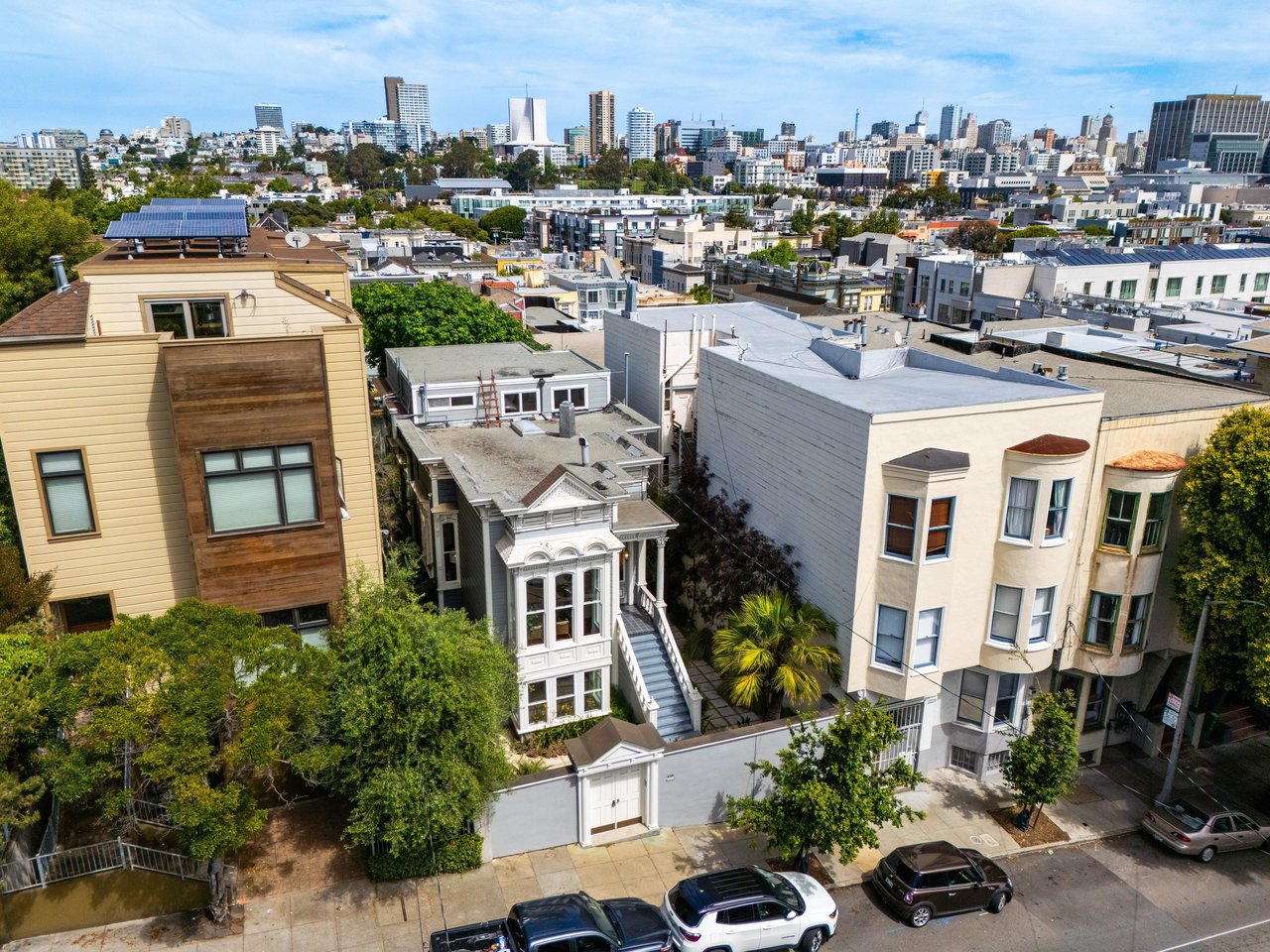
Cow Hollow features Victorian and Edwardian architecture mixed with remodeled homes and modern infill. You will see a range of housing types, including single-family homes, flats, duplexes, and small multi-unit buildings. This variety can create more opportunities for private yards and garages compared with core Marina blocks. If a detached home is the goal, it is worth tracking Cow Hollow homes for sale as inventory turns over.
Marina: 1920s to 1940s buildings and condos
The Marina is defined by low-rise buildings from the 1920s through the 1940s, stucco facades, and a substantial share of condominiums alongside smaller single-family houses. Lots can feel airier near the Marina Green, and many buildings have compact garages or shared parking. Condo and TIC buyers can watch current Marina District homes for sale to gauge pricing and supply.
Ownership structures to know
Both neighborhoods include a mix of condos, TICs, co-ops, and single-family homes. If you are comparing units in multi-family buildings, pay attention to HOA health, reserves, bylaws, and how parking and outdoor space are assigned. In TICs, review the TIC agreement and any condo-conversion history or restrictions.
Shopping, dining, and everyday convenience
Cow Hollow: walkable and local
Union Street and Chestnut Street provide everyday dining, services, and independent retail. You can often run errands and meet friends for dinner without leaving the neighborhood. The tone feels residential and convenient, with smaller parks and playgrounds nearby and larger open spaces a short walk away.
Marina: leisure and waterfront access
Expect cafés, brunch spots, and restaurants close to the bay. Nightlife has historically included more bar-focused venues and social hubs, especially on weekends. If your routine centers on outdoor workouts and waterfront sunsets, this area makes that effortless.
Transportation and commute
Both neighborhoods are among the city’s most walkable. Bike routes connect to the Golden Gate Bridge approaches and Presidio trails, and multiple Muni lines serve the area and connect to downtown and beyond. Travel times vary by route and time of day; as a general guide, plan for roughly 10 to 30 minutes by car and 20 to 40 minutes or more by transit depending on transfers and service.
Parking norms and what to expect
Off-street parking is limited in both neighborhoods. Many buildings and homes offer zero to one off-street space, and garage sizes can be compact.
Marina
Street parking can be competitive, especially near the waterfront and during events or peak weekend hours. Expect meters, permit zones, and tight garages in older buildings.
Cow Hollow
Similar constraints apply. Some single-family homes and newer conversions offer private garages, while many flats or condos rely on shared garages or street parking.
If reliable parking matters to you, filter early for deeded or assigned spaces and review HOA or garage rules closely.
Risk and due diligence: what affects value
Seismic and soil considerations
A major differentiator is ground conditions. Much of the Marina sits on filled land created in the early 20th century. During the 1989 Loma Prieta earthquake, the neighborhood experienced notable liquefaction and structural damage. That history does not apply equally to every block, but buyers should plan extra diligence on filled parcels. Cow Hollow is generally on higher elevation and firmer ground than the low-lying Marina blocks, though all of San Francisco is in an earthquake zone.
What to check:
- ✓Seismic retrofit history, including soft-story and foundation work
- ✓Engineering or structural assessments for older buildings
- ✓Documentation of past seismic performance where available
Flood and coastal exposure
Low-lying Marina locations near the waterfront can face higher exposure to storm surge and king tides over time. Confirm whether a property falls within a FEMA flood zone and whether flood insurance is recommended or required. Cow Hollow has lower immediate flood exposure because of its elevation, but due diligence is still advised on a parcel-by-parcel basis.
HOA strength and building condition
In multi-unit buildings, review HOA reserve studies, insurance coverage, pending assessments, and any planned seismic or structural projects. Building condition, systems updates, and the quality of renovations can significantly influence value and long-term costs.
Views and outdoor space
Bay, Golden Gate, and Palace of Fine Arts views typically command premiums. Private outdoor space and secure parking also add value in both neighborhoods. Compare recent comps to understand how specific features translate to pricing at the time you buy.
Who tends to thrive where
Choose Cow Hollow if…
You want an intimate neighborhood feel, easy access to boutiques and everyday services, and a broader mix of housing types that can include homes with private yards or garages. It suits residents who value quieter residential blocks while staying close to the waterfront and the Presidio.
Choose the Marina if…
Your lifestyle prioritizes direct waterfront access, open green space, and a recreation-first routine. Its wide streets, views, and leisure-focused corridors make it an easy fit for active routines and social weekends.
Both attract professionals who want strong walkability and north-side access. Your best fit comes down to how you spend your days, what type of home you want, and how you weigh risk and parking.
Cow Hollow vs. Marina: quick comparison
Feel and pace
Cow Hollow: neighborhood scale, café culture, residential calm.
Marina: waterfront energy, open views, social and outdoorsy.
Housing mix
Cow Hollow: Victorians and Edwardians, single-family homes, flats, small multi-unit buildings.
Marina: 1920s to 1940s low-rise buildings, many condos, smaller single-family homes.
Outdoor access
Cow Hollow: smaller parks nearby, easy walk to Marina Green and Presidio.
Marina: direct access to Marina Green, Crissy Field, Palace of Fine Arts.
Parking
Both: limited off-street options, compact garages, regulated street parking.
Risk profile
Cow Hollow: generally higher elevation and firmer ground.
Marina: some filled land with past liquefaction history and more coastal exposure in low-lying areas.
What to look for during tours
- ✓Structure and systems: foundation, electrical, plumbing, roof, and seismic retrofits.
- ✓Parking specifics: deeded vs assigned, tandem vs independent, garage dimensions.
- ✓Outdoor space: usability, privacy, and sun exposure.
- ✓HOA health: reserves, insurance, bylaws, rental and pet policies, pending assessments.
- ✓Noise and activity: test the block at different times, especially near nightlife or the waterfront.
- ✓Elevation and exposure: views are a plus, but confirm flood and wind exposure.
Buyer checklist: decide with clarity
Use this checklist to narrow your search:
- Lifestyle priorities: Do you want direct waterfront access or a neighborhood retail focus?
- Housing needs: Is a single-family home with a private yard or garage a must-have, or are you comfortable with a condo or TIC?
- Parking plan: If you require private parking, filter to listings with deeded spaces and confirm dimensions.
- Views and elevation: Are views worth paying a premium? Does elevation reduce flood exposure?
- Structural risk and due diligence: Will you require engineering or seismic reports, especially in low-lying Marina locations?
- HOA and TIC terms: Review reserve studies, CC&Rs, rental restrictions, pet policies, and planned capital work.
- Commute checks: Test-run your commute and transit options during peak hours.
- Resale considerations: Favor features that stay in demand in San Francisco, like parking, outdoor space, views, and updated systems.
How to choose your best fit
Walk both neighborhoods at different times of day. Visit Union Street in Cow Hollow on a weekday afternoon and the Marina Green on a sunny Saturday morning. Tour a variety of property types and confirm the details that matter to you, including parking, outdoor space, and retrofit history. When in doubt, let your daily routine be the tiebreaker—the right neighborhood should make your normal week feel easier.
Want a deeper look at either area? Explore the Marina District neighborhood guide or the Cow Hollow neighborhood guide for local market detail.
Work with a north-side San Francisco specialist
Buying in the Marina or Cow Hollow? Connect with Oliver Burgelman for one-on-one guidance, off-market opportunities, and a data-informed plan for your next move. Already own here and curious what your home is worth in today’s market? Request a free home valuation to see where you stand before you list.
FAQs
Is the Marina built on landfill, and why does it matter?
Many Marina parcels were created on filled tidelands, which can increase liquefaction risk in earthquakes, so you should verify seismic retrofits and consider engineering reports.
Which neighborhood feels quieter day to day, Cow Hollow or the Marina?
Cow Hollow often has more intimate, residential blocks set just off Union and Chestnut streets, while the Marina can be busier near the waterfront and during weekends.
How important is deeded parking in the Marina and Cow Hollow?
Very important, since off-street parking is limited in both neighborhoods; confirm whether parking is deeded, assigned, tandem, or subject to HOA rules.
What inspections should I request before buying in the Marina or Cow Hollow?
In addition to standard inspections, consider a seismic or structural assessment, a foundation and soft-story evaluation for multi-unit buildings, and a flood-risk review where applicable.
Do views really change pricing in the Marina and Cow Hollow?
Yes, water and landmark views typically command premiums; compare recent comps to gauge current market impact for similar properties.