What if your morning run came with Golden Gate Bridge views and salty bay breezes? If you're drawn to life on the water, San Francisco's Marina District offers a daily rhythm built around parks, sailboats, and walkable cafes. Tucked along the northern waterfront between Fort Mason and the Presidio, the Marina is one of the city's most walkable and social neighborhoods, and one where home prices typically run above citywide medians. This guide gives you a clear, practical look at the homes, lifestyle, commute tradeoffs, and long-term considerations so you can decide if the Marina fits your goals. Let's dive in.
Waterfront lifestyle at a glance
The Marina sits along San Francisco's northern waterfront between Fort Mason and the Presidio, with Chestnut Street at its core. You get a compact, highly walkable neighborhood anchored by Marina Green's open lawn and the beach-to-trail connection into Crissy Field. The vibe is active and social, with a steady mix of locals and visitors enjoying the bay.
Much of the neighborhood was built on historic fill from the early 20th century. That waterfront origin shapes both its scenic appeal and its building standards, which is important context for buyers and renters considering older structures.
Homes by the bay: what you'll find
Condos and apartments
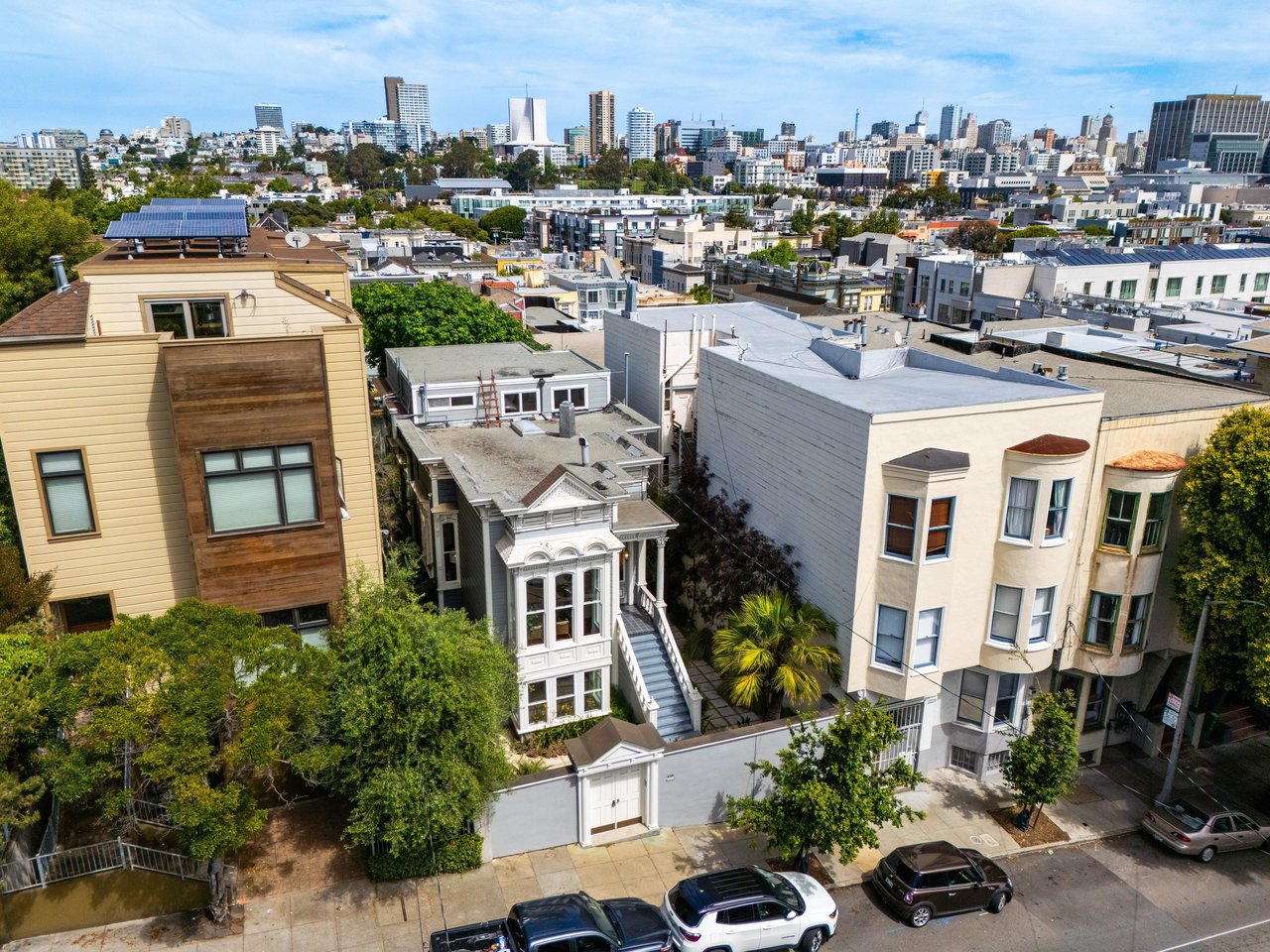
Housing leans toward low-rise multifamily buildings, mid-century apartment blocks, and renovated condominiums. Many units sit in older walk-ups with genuine architectural character: Mediterranean and Marina-style facades that define the neighborhood's streetscape. Rental demand is strong, especially for places near the water or Chestnut Street.
Single-family homes
You'll find a smaller number of freestanding homes compared with other San Francisco districts. Footprints tend to be modest, and proximity to the waterfront or unobstructed views can command real premiums. Inventory is often tight given limited new construction. If you want to see what's currently available, browse Marina District homes for sale to get a feel for the mix of condos, view units, and the occasional single-family listing.
Costs and competition
The Marina typically sits above citywide medians for both sales and rents, and pricing swings meaningfully block by block: a Marina Green-facing unit is a different market from an interior flat two streets in. Prices reflect location, walkability, and views. To see how Marina District home values break down by sub-area, from the waterfront blocks to the Chestnut Street corridor, start with the neighborhood market overview. For buyers, factor HOA dues and parking into the total monthly cost; for renters, confirm lease length, pet policies, and what utilities are included.
Age and retrofits
Older buildings are common, so due diligence matters. Ask about seismic retrofits, foundation work, and any recent structural or engineering reports. If you're buying a condo, review HOA reserves and any special assessments tied to upgrades: deferred building work is one of the most common surprises in Marina transactions.
Day-to-day living
Parks and recreation
Marina Green stretches along the bay with space for jogging, kite-flying, and picnics. The path continues into Crissy Field for miles of waterfront access and Presidio trail connections. If you love the water, you'll find paddleboarding, small-craft sailing, and yacht clubs nearby.
Chestnut Street essentials
Chestnut Street is your daily hub for coffee, bakeries, casual dining, bars, local boutiques, and services. Union Street in adjacent Cow Hollow adds more shopping and restaurants just a few blocks south. If you're weighing the two, our guide to Marina vs. Cow Hollow breaks down how the neighborhoods differ in feel, housing, and price. Grocery options are close, and many errands can be done on foot.
Evenings, events, and visitors
Weeknights are lively and weekends draw crowds, especially during clear weather. Seasonal events like Fleet Week bring aerial shows, boat activity, and larger gatherings along the waterfront. Expect temporary parking and traffic impacts during peak event days.
Getting around
Walking and biking
Walkability is a highlight, especially around the waterfront and Chestnut Street. Dedicated bike routes connect to the Golden Gate Bridge and northern waterfront, and many residents bike for both recreation and short commutes.
Transit and rideshare
Muni bus lines connect the Marina to downtown and major transfer points. Service frequency varies by route and time of day. Rideshare is widely used, and some residents combine biking or buses with regional transit for cross-bay trips.
Driving and parking
Reaching downtown, the Presidio, and Marin is straightforward, though traffic fluctuates with time and events. On-street parking can be limited, and some buildings do not include dedicated spaces. Residential permits help, but deeded or secure parking adds real resale value for buyers.
Risks and long-term planning
Seismic and liquefaction
Large portions of the Marina were built on fill, which can amplify shaking and liquefaction risk during earthquakes. For buyers, request retrofit histories, soil information, and engineering reports where available. For renters, ask landlords about any building upgrades and maintenance.
Coastal flooding and sea level rise
The Marina's shoreline location brings long-term exposure to coastal flood risk and sea level rise. City and regional agencies continue to plan adaptation projects for parks, roads, and shoreline structures. Keep an eye on insurance needs, project timelines, and how construction may affect access and views.
Noise and event impacts
Waterfront events and tourist activity can mean higher noise levels and heavier traffic at times. If you prefer quieter evenings, consider unit orientation, soundproofing, and distance from major event zones.
Buyer and renter checklists
For buyers
- ✓Verify building age and seismic retrofit status; request structural or engineering reports where available.
- ✓Review HOA reserves, assessments, and rules for rentals and pets.
- ✓Confirm deeded parking, storage, and bike facilities if those matter to you.
- ✓Factor HOA dues, insurance, and utilities into total monthly cost.
- ✓Because inventory is tight and desirable units move fast, know how to compete for homes in the Marina District before you write an offer.
- ✓Consider long-term resilience and resale appeal tied to waterfront access and limited supply.
For renters
- ✓Confirm lease length, renewal options, and what utilities are included.
- ✓Ask about parking availability, pet policies, bicycle storage, and move-in fees.
- ✓Check typical noise levels, especially near Chestnut Street or event areas.
- ✓Clarify any restrictions on subletting or short-term stays.
Lifestyle fit questions
- How often will you use the waterfront trails and parks compared with needing more interior space?
- Is proximity to dining and nightlife a plus for you, or would you prefer more distance?
- How important is dedicated parking or easy rideshare access?
- Do you need reliable public transit connections for your work routine?
- Are you comfortable with the long-term planning considerations of a waterfront neighborhood?
Is the Marina a fit for you?
If you value fresh air, front-row bay views, and a walkable routine, the Marina offers a rare blend of outdoor living and urban convenience. The tradeoffs are real: older buildings, parking constraints, and event crowds, but the daily experience along Marina Green and Crissy Field is hard to beat. With the right guidance, you can navigate due diligence, weigh resilience factors, and secure a home that fits your priorities.
If you're considering a move in or out of the Marina, connect with a local advisor who knows the micro-markets and the waterfront's nuances. Thinking of selling? Start with a free, no-obligation home valuation to see what your Marina home is worth in today's market. For one-on-one guidance, off-market sourcing, and data-informed strategy, reach out to Oliver Burgelman to get started.
Frequently asked questions
What is the Marina District like day to day?
What housing types are most common in the Marina?
How competitive is the Marina for buyers and renters?
How is parking in the Marina District?
What are the main commute options from the Marina?
Are earthquakes a bigger concern in the Marina?
Does sea level rise affect the Marina District?
Is the Marina a good fit for families or pets?
Thinking About the Marina?
Whether you're buying near the water or weighing a sale, I'll help you read block-by-block pricing, weigh the waterfront's tradeoffs, and move with confidence.