You can smell salt in the air, hear the crash of waves, and still be in San Francisco. If the idea of walking to Ocean Beach, grabbing coffee on Judah, and living at an easier pace appeals to you, the Outer Sunset might be your spot. You may also be wondering about the fog, housing styles, commutes, and how the Great Highway changes could affect daily life. This guide gives you a clear, practical look at what living by the ocean here really feels like, plus key housing insights and buyer tips. Let’s dive in.
Where the Outer Sunset sits
The Outer Sunset lines San Francisco’s western edge, framed by Lincoln Way to the north, Ocean Beach to the west, Sloat Boulevard to the south, and roughly Sunset Boulevard to the east. Main neighborhood hubs run along Judah, Noriega, and Taraval. The area feels more suburban within the city, with a grid of numbered avenues, mostly low-rise blocks, and a calm daily rhythm. You can confirm boundaries and context in the city’s neighborhood overviews and on the Sunset District page.
Ocean Beach life and microclimate
Ocean Beach is the Outer Sunset’s signature amenity. Think wide sandy shoreline, long walks, and a dramatic Pacific backdrop. Local guides highlight surf culture and park access as defining features of the area, including the northern gateway to Golden Gate Park. For a quick snapshot of what locals and visitors do out here, take a look at Outer Sunset highlights.
This is an active, ocean-forward lifestyle. Surfers suit up in full wetsuits, dog walkers fill the dunes and esplanade, and you will see morning runners even on breezy days. The water is cold and currents can be strong, so the beach reads rugged rather than tropical.
Expect a real marine layer. The Outer Sunset sits directly on the Pacific, so fog and cool winds are common, especially in summer. This is classic San Francisco microclimate at work, where ocean-cooled air drifts inland and settles over the western avenues. You can explore my thoughts about the fog in this short article about my experience living in the fog.
Getting around
Transit options include the N Judah light rail along Judah Street and the L Taraval corridor, along with several bus lines that connect the neighborhood to downtown and the central city. Travel times vary by hour and exact location, but the west side remains well linked to the rest of San Francisco. In recent years, rideshare services have also made evenings out far more convenient. Grabbing an Uber home after dinner or drinks downtown is often simpler than planning around late-night transit schedules.
If you drive, east–west routes are direct and north–south avenues are long and easy to navigate. Many residents find street parking more manageable here than in denser central neighborhoods, which makes daily errands and weekend outings less stressful.
Everyday rhythm and local spots
Mornings often begin with fog lifting off the dunes, surfers heading out for a dawn session, and lines forming for coffee and breakfast. Along Judah Street, Outerlands has become a longtime neighborhood fixture for brunch and dinner, embodying the Outer Sunset’s relaxed, understated culinary scene. On Noriega, bakeries and small cafés draw steady weekday crowds and anchor the daily rhythm.
Weekends tend to revolve around the outdoors. You might walk the beach, bike the avenues, or stop by a small neighborhood farmers’ market near 37th Avenue and Ortega. The commercial corridors support everyday life rather than nightlife, and evenings here are typically calm and unhurried.
Homes and architecture
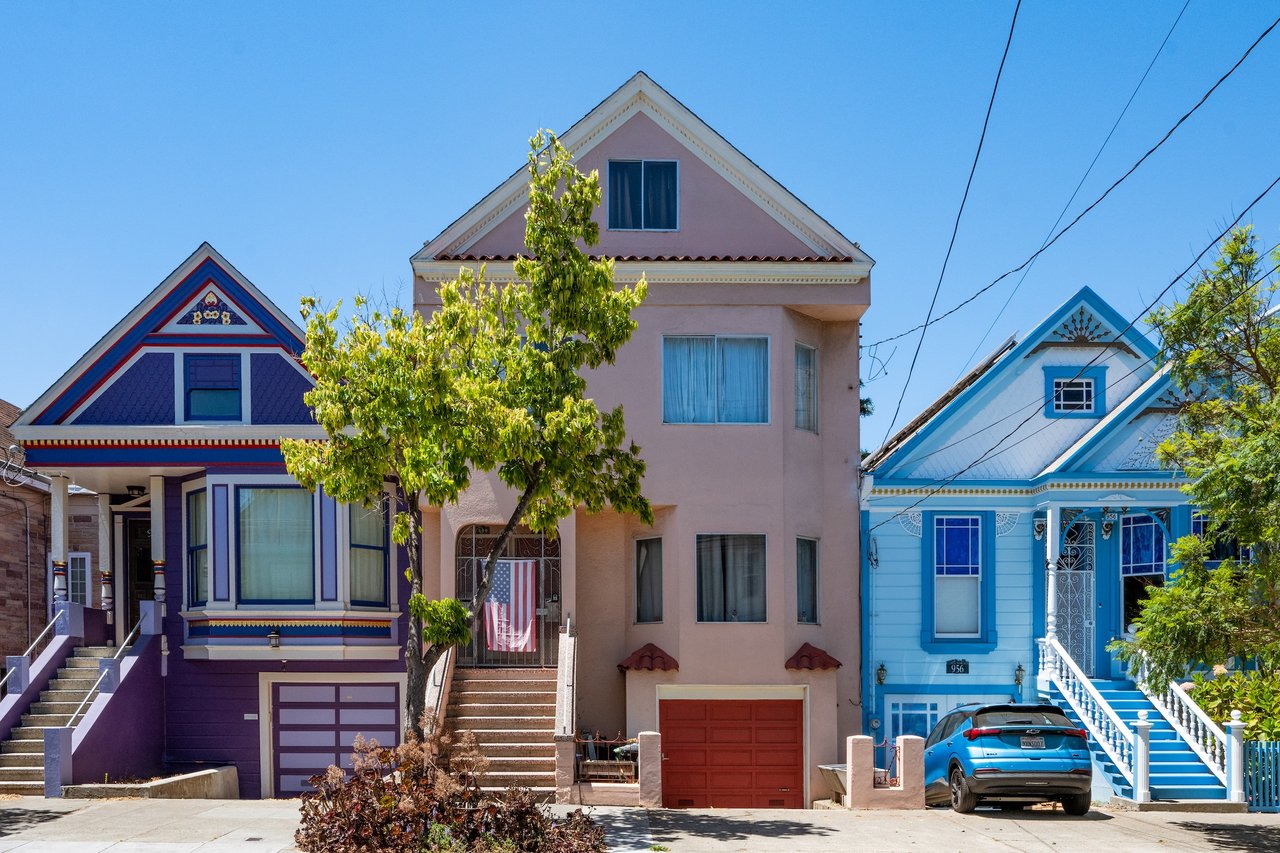
Housing in the Outer Sunset largely reflects mid-20th-century development. Many blocks were built by prolific local developers such as Henry Doelger, whose influence shaped much of the west side’s stucco row houses on narrow lots. You’ll often see simple facades, efficient floor plans, and street-level garages that define the neighborhood’s architectural rhythm.
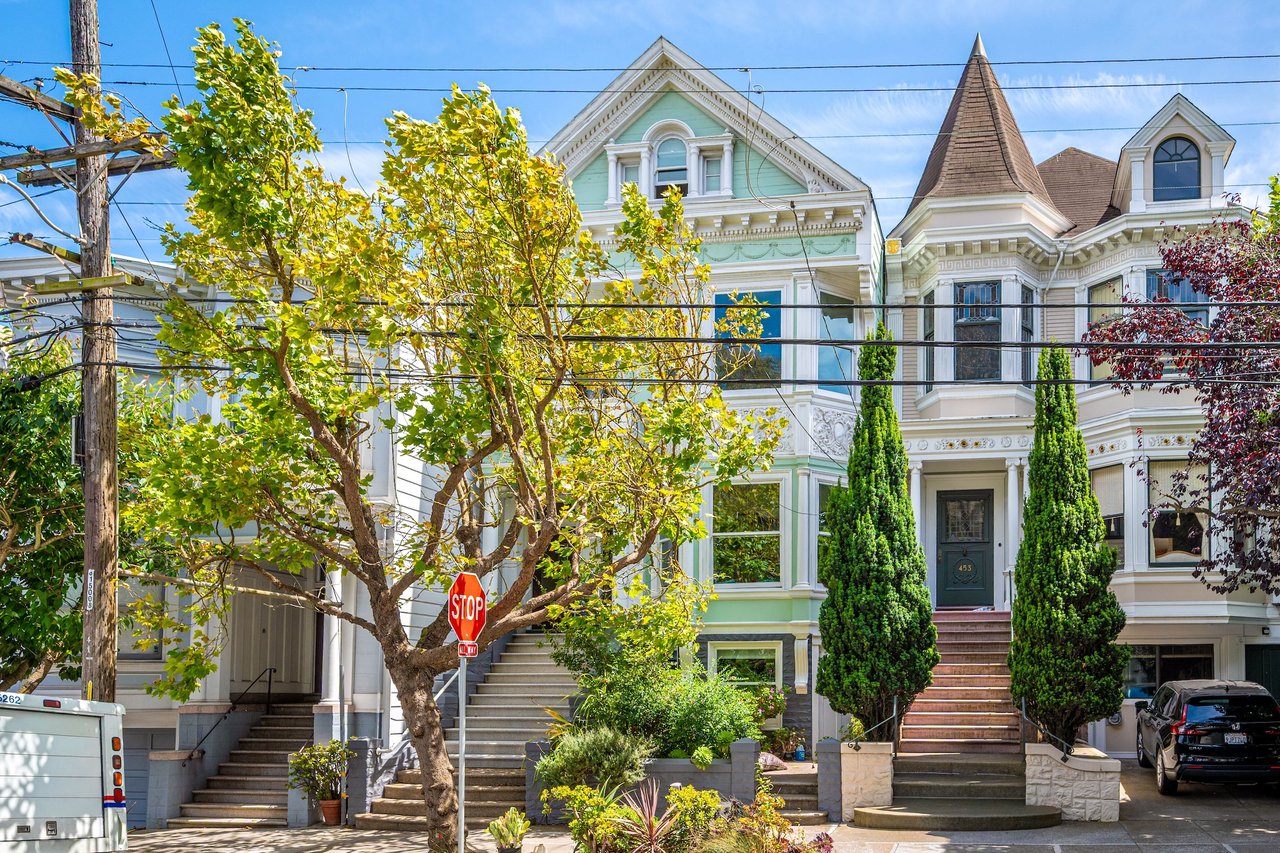
Along the main commercial corridors, small multi-unit buildings and apartments add variety to the housing mix. Within the single-family streets, certain tracts feature more distinctive storybook details that appeal to architectural enthusiasts. Much of the neighborhood’s housing dates from the 1930s through the 1950s, meaning many homes retain period character while also offering opportunities for system upgrades or thoughtful renovations. Overall, the area presents a blend of single-family residences and modest multi-unit properties rooted in its mid-century construction history.
Market snapshot and what buyers see
Recent aggregator snapshots put typical Outer Sunset home values in the low-to-mid single millions, often in the 1.3 to 1.6 million range, with normal year-to-year changes. Inventory is usually tight. Many buyers are drawn by the combination of ocean access, calmer streets, and room for a home office. The neighborhood also benefits from a broader west-side trend where proximity to parks and the beach has become a stronger draw for remote and hybrid workers.
As always, pricing is block-specific. Homes near commercial corridors or transit lines can offer convenience, while houses closer to the beach may trade higher on location but come with coastal-weather maintenance to plan for. It pays to review very recent comps before you set expectations.
What to weigh before you buy
Weather and wardrobe. Plan for cool, breezy days, especially during the summer months when the marine layer is most persistent. Late summer and early fall are often sunnier and warmer. The coastal microclimate is a real daily factor here, shaping everything from morning routines to weekend plans.
Coastal hazards and shoreline management. Ocean Beach experiences ongoing erosion and long-term sea-level considerations. City agencies continue to study and manage shoreline conditions. If you are considering a home near the coast, reviewing coastal hazard maps and local planning updates should be part of your due diligence.
Great Highway changes. In November 2024, voters approved Prop K, setting the Upper Great Highway on a path toward becoming a car-free oceanfront park. Implementation details will continue to evolve and may influence parking patterns, traffic flow, and coastal access over time.
Home maintenance in a marine environment. Salt air and wind are part of daily life near the Pacific. Roofs, windows, exterior paint, and metal fixtures often require more consistent maintenance. When touring homes, pay close attention to exterior condition, drainage, and moisture management.
Schools and services
The Outer Sunset is served by San Francisco Unified School District campuses, including Sunset Elementary for K–5 and A.P. Giannini at the middle school level. Programs, enrollment, and assignment policies can change, so it is smart to verify details directly with SFUSD. You can start with Sunset Elementary’s official page.
Day-to-day services include small groceries, hardware stores, and neighborhood cafes along Judah, Noriega, and Taraval. Many residents appreciate the convenience of street-level retail and the relative ease of parking compared with denser central neighborhoods.
Tips for settling in by the ocean
- Test your commute and transit options during your actual travel times. The N Judah and L Taraval are solid anchors, but specific addresses vary.
- Pack layers and plan a home entry zone for sand and gear. A small mudroom setup pays off.
- When evaluating homes from the 1930s–1950s, budget for systems updates and energy improvements. Simple changes like air sealing, window updates, and efficient heating can make a real difference in comfort along the coast.
- If you are new to Ocean Beach, read posted signs, respect currents, and talk with local surfers about conditions before you paddle out.
Is the Outer Sunset right for you?
Choose the Outer Sunset if you value ocean access, calmer streets, and a neighborhood that runs on daytime energy rather than nightlife. You get quick access to beach paths and Golden Gate Park, a strong local cafe culture, and housing that often offers a garage and a bit more elbow room. The tradeoffs are real too: cooler, foggier weather in summer, longer drives to some jobs around the Bay, and coastal maintenance considerations.
If you are weighing a move, you do not have to map it alone. Connect with a local advisor who knows the micro-markets by block and can source on and off market opportunities. For one-on-one guidance tailored to your goals, reach out to Oliver Burgelman. Request a free home valuation or a buyer consult, and get a clear plan for your next step in the Outer Sunset.
See how a home along the Great Highway was prepared and positioned to attract today’s Outer Sunset buyers:
1738 Great Highway – Outer Sunset Living
FAQs
What is the weather like in the Outer Sunset?
- The Outer Sunset sees frequent fog, cool breezes, and mild temperatures due to the marine layer; late summer and early fall are often the sunniest months.
How close are homes to Ocean Beach in the Outer Sunset?
- Many blocks are within a short walk or bike ride of Ocean Beach, with access points running along the Great Highway and at the northern edge near Golden Gate Park.
What housing styles dominate the Outer Sunset?
- You will mostly find mid-century stucco row houses influenced by developers like Henry Doelger, plus small multi-unit buildings near Judah, Noriega, and Taraval.
How does the Great Highway car-free plan affect residents?
- Prop K set a path to make the Upper Great Highway car-free; as details roll out, expect changes to parking, traffic patterns, and coastal access that may vary by block.
What are the public school options near the Outer Sunset?
- SFUSD serves the area with nearby elementary and middle schools, including Sunset Elementary and A.P. Giannini; check SFUSD for current enrollment and programs.
How much do homes cost in the Outer Sunset?
- Recent snapshots suggest many single-family homes trade in the 1.3 to 1.6 million range, with prices varying by condition, location, and recent comparable sales.
What is transit like from the Outer Sunset to downtown?
- The N Judah and L Taraval lines, along with bus routes, connect to downtown; verify travel times for your specific address and commute hours with SFMTA.