The Sunset District
The Sunset is the most-talked-about market on San Francisco's west side. Doelger-era consistency sets a tight pricing baseline, but the homes that break that baseline (expanded houses, Inner Sunset Edwardians, Great Highway frontage) are producing some of the city's most aggressive multi-offer outcomes. Strategy decides which side of that line your sale lands on.
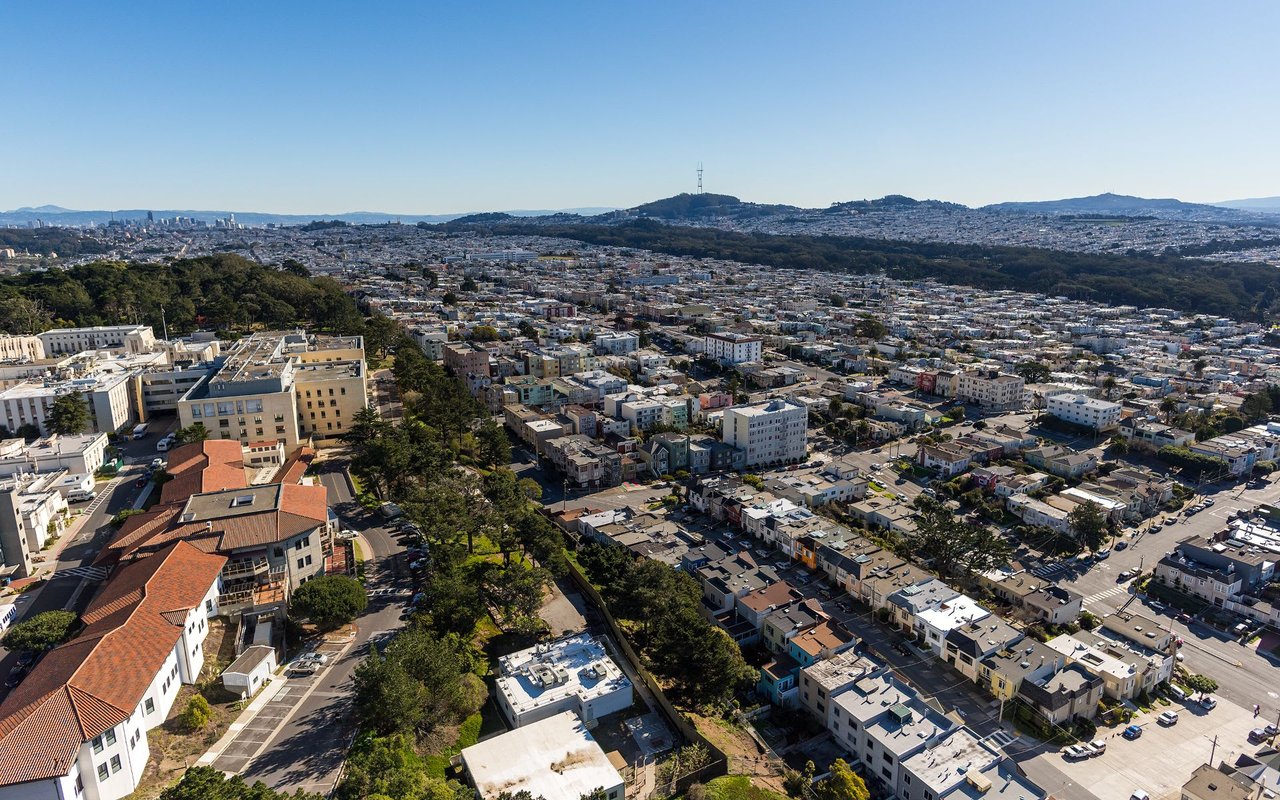
The Sunset is San Francisco's largest residential district, a roughly fifty-block grid of Doelger-era stucco houses running from Golden Gate Park to the Pacific. That consistency sets a tight pricing baseline, and the homes that break it (expanded houses, Inner Sunset Edwardians, Great Highway frontage) are producing some of the city's most aggressive multi-offer outcomes.
District-wide closings across the Inner, Central, and Outer Sunset (ZIP 94116 and 94122; N Judah and L Taraval Metro, no BART). Outer Sunset Great Highway frontage and Inner Sunset Edwardians pull the averages up; your block, sub-area, and floor plan will price differently.
1738 Great Highway, an Outer Sunset oceanfront home that Oliver Burgelman listed and sold, closed at $2,600,000, 74% over its $1,495,000 list, with 14 offers in 7 days.
Why selling in the Sunset is different
The Sunset doesn't price like the Richmond, and that's actually the seller's advantage here. The Richmond's architectural variety produces a wide pricing spread that's hard to read. The Sunset is the opposite: a Doelger-built district where most houses share a near-identical floor plan, which sets a baseline that's easier to price into. The right list price for a standard Central Sunset Doelger in good condition is a tight band, not a guess. That predictability is what's brought buyers west in the first place.
The opportunity for sellers sits on top of that baseline. The Sunset homes that break out of the Doelger pricing band, expanded or remodeled houses, Inner Sunset Edwardians with walkability, Great Highway frontage, view positions, and properties with renovated kitchens and modern systems, are producing some of the most aggressive multi-offer outcomes anywhere in San Francisco right now. Buyer demand has shifted noticeably west in the past 18 months as people priced out of Noe Valley, Cole Valley, and the Mission redirect their searches to the west side. Well-presented Sunset listings are drawing the kind of bidding that used to happen only in central SF.
All of this means: pricing a Sunset home well isn't about pricing one perfectly identical to its neighbor, it's about reading which features pull a property above the baseline and pricing the strategy accordingly. The difference between a Sunset listing that sells at the baseline and one that goes 30, 50, or 74 percent over (as 1738 Great Highway did) is rarely the home itself. It's the strategy.
A Sunset seller case study: 1738 Great Highway, Outer Sunset
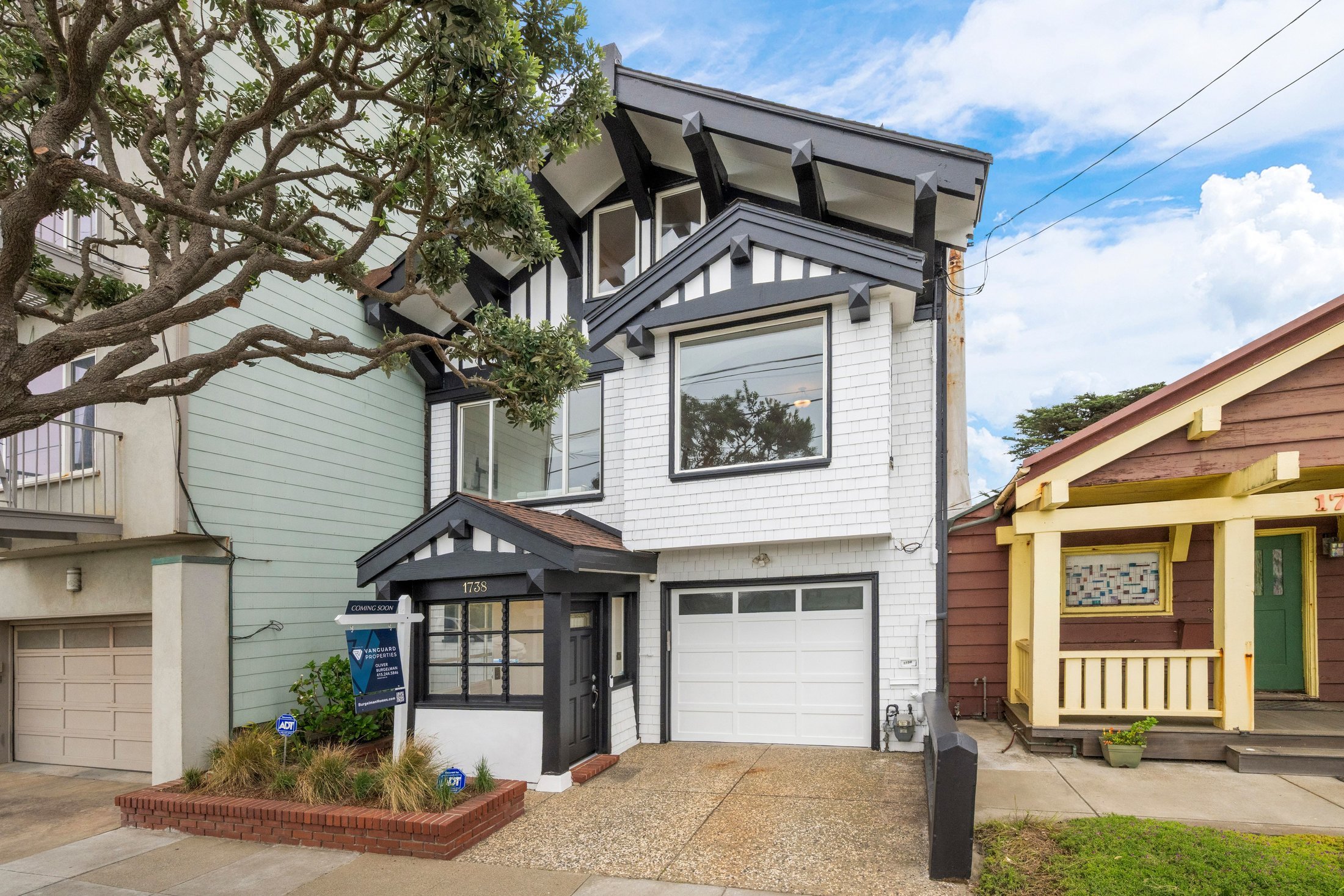
When I listed 1738 Great Highway, a three-bedroom, one-bath, 1,510-square-foot single-family home in the Outer Sunset, it sat directly across from Ocean Beach with unobstructed Pacific views and immediate beach access. I listed it at $1,495,000; it went into contract in seven days with fourteen competing offers and closed at $2,600,000, about 74% over list at roughly $1,722 per square foot.
What 1738 Great Highway illustrates about selling in the Sunset isn't an oceanfront fluke. It's the kind of multi-offer outcome now showing up across the district when the pricing strategy matches the home. The home wasn't large, wasn't expanded, and wasn't renovated, what it had was rarity (direct oceanfront with unobstructed views) and a list price that signaled value. The strategy was deliberate: list competitively at $1,495,000 and let the position drive bidding rather than try to capture the eventual value at list. Fourteen offers and a $2.6M close is the evidence. That same pricing logic, baseline plus a deliberate read of what's actually rare about your home, applies to expanded Central Sunset houses, Inner Sunset Edwardians, and view-equipped properties throughout the district.
How your Sunset home prices
Most Sunset homes fall into one of five categories, and each one prices on its own logic:
- Doelger houses (1932–1949). The dominant type. Two-story stucco homes over a garage, typically 2–3 bedrooms, ~1,200–1,600 sqft, on standard SF lots. Many retain original interiors. Prices on condition, sub-area, and any expansion or update history.
- Expanded and remodeled Sunset homes. Houses that have been opened up, raised, or pushed back, with 3–4 bedrooms, modern kitchens, view decks, often a ground-floor ADU. The highest-velocity premium product in the district.
- Inner Sunset Edwardians and early-1900s flats. Concentrated east of 12th Avenue, predating the Doelger era. Often two-unit buildings, sometimes converted to single-family or condo. Prices on the walkability premium, original detail, and unit configuration.
- View and ocean-frontage homes. The rare blocks with Pacific or Golden Gate Park sightlines, Great Highway-facing properties, and Inner Sunset hillside positions. The district's highest absolute prices live here.
- Condos and TICs. Less common than in central SF, mostly clustered along Irving, Judah, and Noriega. Price on building condition, HOA structure, and TIC vs condo status.
Where your home fits in this five-category map sets a pricing baseline. The sub-area layer then adjusts it up or down. As a rule of thumb: unrenovated Central Sunset Doelger houses typically trade $1.2M to $1.6M. Inner Sunset homes, with their walkability premium and Edwardian variety, more often run $1.6M to $2.4M. Expanded or view-equipped properties across the district sit between $1.8M and $2.8M. Great Highway frontage and rare ocean-view positions can stretch past $2.8M to $3.5M+, 1738 Great Highway closed at $2.6M on a smaller, unrenovated footprint. The single best move when you're weighing a sale is a current valuation on your specific address. Request a free home valuation.
Sub-area pricing
The Sunset reads as a single district from above, but the three sub-areas (plus Parkside) trade on meaningfully different fundamentals. Here's what's pulling premiums in each one.
Inner Sunset (Stanyan to ~19th Avenue)
The walkability and weather premium. Inner Sunset listings near the 9th & Irving corridor consistently outperform Central Sunset comps on a per-square-foot basis. Edwardians with intact original detail paired with updated systems are the strongest product, the same architectural-pricing logic that drives the Inner Richmond. UCSF Parnassus proximity and N Judah access add commute appeal. Warmer and sunnier than the rest of the district, which helps showings. Lowest buyer hesitation in the Sunset.
Central Sunset (~19th to ~36th Avenue)
The Doelger heart of the district. Standard unrenovated Doelger houses set the baseline price band. Expanded or remodeled Doelgers, opened up, raised, or pushed back, with 3–4 bedrooms and modern systems, are the premium-pulling product in this band. The Sunset Reservoir edge and quieter mid-block positions price slightly higher than busier commercial-corridor blocks. Excellent value per square foot remains the underlying story.
Outer Sunset (36th Avenue to Ocean Beach)
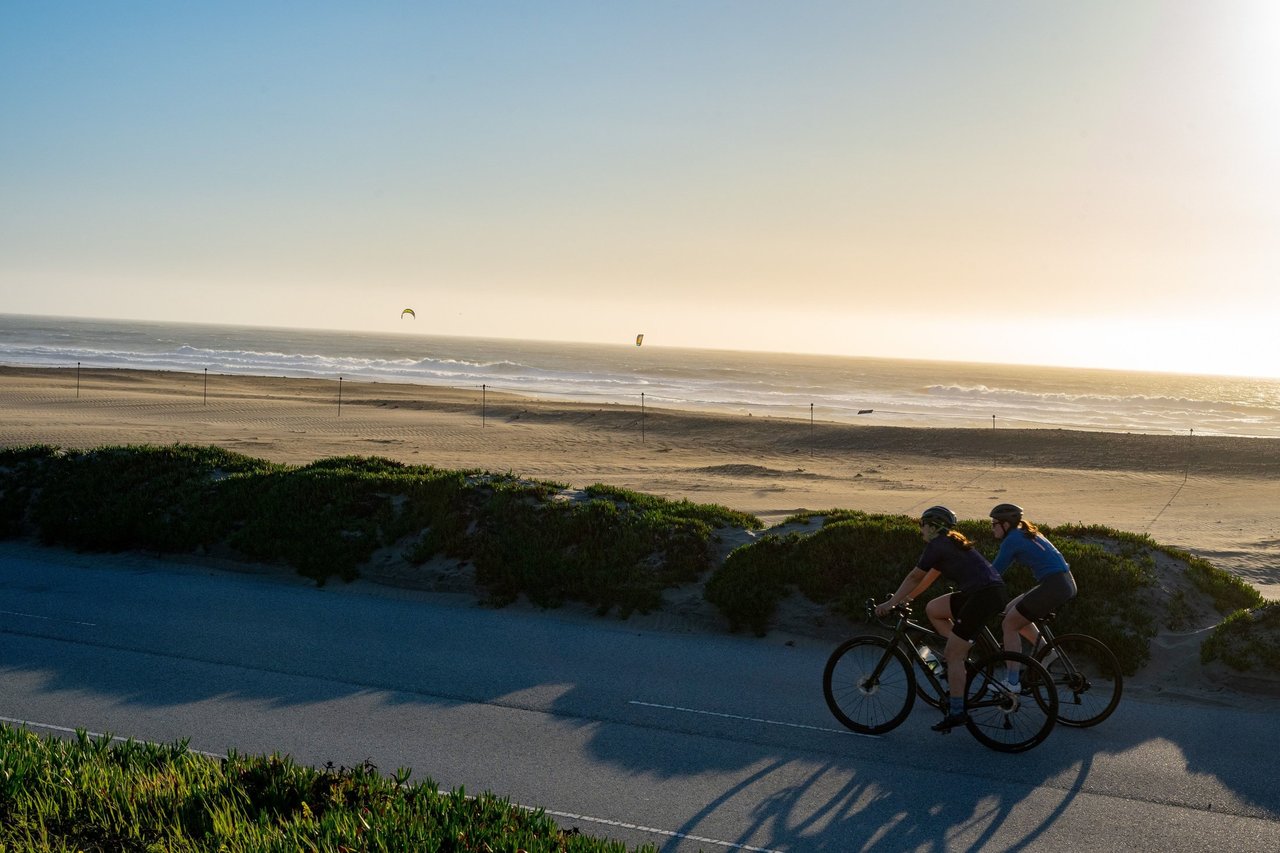
The coastal premium kicks in at properties with view, beach proximity, or rare floor plans. Great Highway-frontage homes carry the district's highest prices, recent example: 1738 Great Highway closed at $2,600,000, 74% over the $1,495,000 list, with 14 offers in 7 days. Standard mid-block Outer Sunset houses need sharper pricing and stronger marketing to move quickly, the fog belt and longer commute affect buyer demand. The Outerlands and Andytown surf-culture commerce adds character that buyers increasingly value.
Parkside & the southern boundary
Technically a separate neighborhood, but the Sunset and Parkside boundary along Taraval reads as one continuous fabric. Parkside trends slightly more affordable per square foot and slightly less foggy than the Outer Sunset thanks to southern exposure. Worth considering as comparable inventory when pricing a Sunset listing on a southern block.
What's pulling premiums in the Sunset right now
Three categories that consistently produce above-baseline sale outcomes, two that tend to need sharper pricing or prep.
- Expanded / raised Doelger houses
- Great Highway & view positions
- Inner Sunset Edwardian walkability
- Renovated kitchens & baths
- Ground-floor ADUs
- Original detail preserved (Inner Sunset)
- Standard Central Sunset Doelgers in good condition
- Mix of original and lightly updated
- Clean systems, no major issues
- Quiet mid-block positions
- Functional 2–3 bedroom floor plans
- Deferred maintenance
- Fully original Doelgers needing full renovation
- Outer Sunset mid-blocks far from amenities
- Busy corridor blocks (Sunset Blvd, 19th Ave)
- Awkward layouts without expansion potential
Listing strategy in the Sunset District
A correct Sunset list price isn't a single number, it's a pricing strategy. There are roughly four moves available: list at market and let bidding produce the outcome, which works for renovated and expanded Doelgers in good condition and any property with strong walkability; list significantly under market to manufacture multi-offer pressure, the 1738 Great Highway play, which works for properties with genuine rarity (view, Great Highway position, an Inner Sunset Edwardian with intact detail) where the position drives bidding above the eventual fair value; list at the high end of expected with willingness to negotiate, which works for standard Doelgers in good condition where the baseline pricing band is the realistic ceiling; and list at a premium with patience, which can work for genuinely unique properties where comp scarcity supports a longer marketing window. The right move depends on what's actually rare about your home and the current pulse of inventory.
Prep is the other lever. Most Sunset homes benefit from at least light staging, professional photography that captures original detail and any modern updates, a clear pre-inspection package, and the right cosmetic refresh on dated finishes. Larger prep produces the strongest ROI in the expanded-Doelger and Inner Sunset Edwardian categories, kitchen and bath refreshes, deck and view restoration, ADU completion. For Great Highway frontage and other rare-position properties, the prep conversation includes architectural photography, view-emphasis marketing, and timing the listing to maximize buyer pool depth. My Home Seller's Guide walks through the full process, and I'll tailor it to your home in the pricing call.
Your Sunset District listing agent

I've been a Sunset District listing agent for over two decades, representing sellers from Inner Sunset Edwardians off 9th & Irving to Doelger houses through the central avenues to oceanfront properties on Great Highway. Over 23 years, $350M+ closed, 300+ transactions, and 85+ five-star reviews. I've watched this district go from value play to the most-talked-about market on the west side, and I read each sub-area's pricing differently because each one trades on different fundamentals. My recent Outer Sunset listing at 1738 Great Highway sold at $2,600,000 with 14 offers in 7 days, 74% over the $1,495,000 list. If you're considering a Sunset sale, the first step is a current valuation on your specific address.
Frequently asked questions about selling a Sunset District home
What is my Sunset District home worth?
How long does it take to sell a home in the Sunset District?
How do you price an unrenovated Doelger vs an expanded house vs an Inner Sunset Edwardian?
What does it cost to sell a home in the Sunset District?
Should I renovate or expand before listing, or sell as-is?
What is the Sunset District market doing for sellers right now?
How do you market a Sunset District listing?
Who was Henry Doelger and why does he matter to pricing?
Should I list in spring, summer, or fall?
Who is the best Sunset District listing agent?
Considering buying in the Sunset instead?
Ready to talk about selling your Sunset home?
The Sunset is in the strongest west-side market it's seen in years. The pricing read is the difference between a sale that closes at the baseline and one that goes 30, 50, or 74 percent over (as 1738 Great Highway did). If you're considering a sale on any block in the district, the first step is a current valuation on your specific address, followed by a 15-minute pricing call to walk through architectural and sub-area pricing for your home. No commitment to list, just an honest read on where your home sits in today's Sunset market.