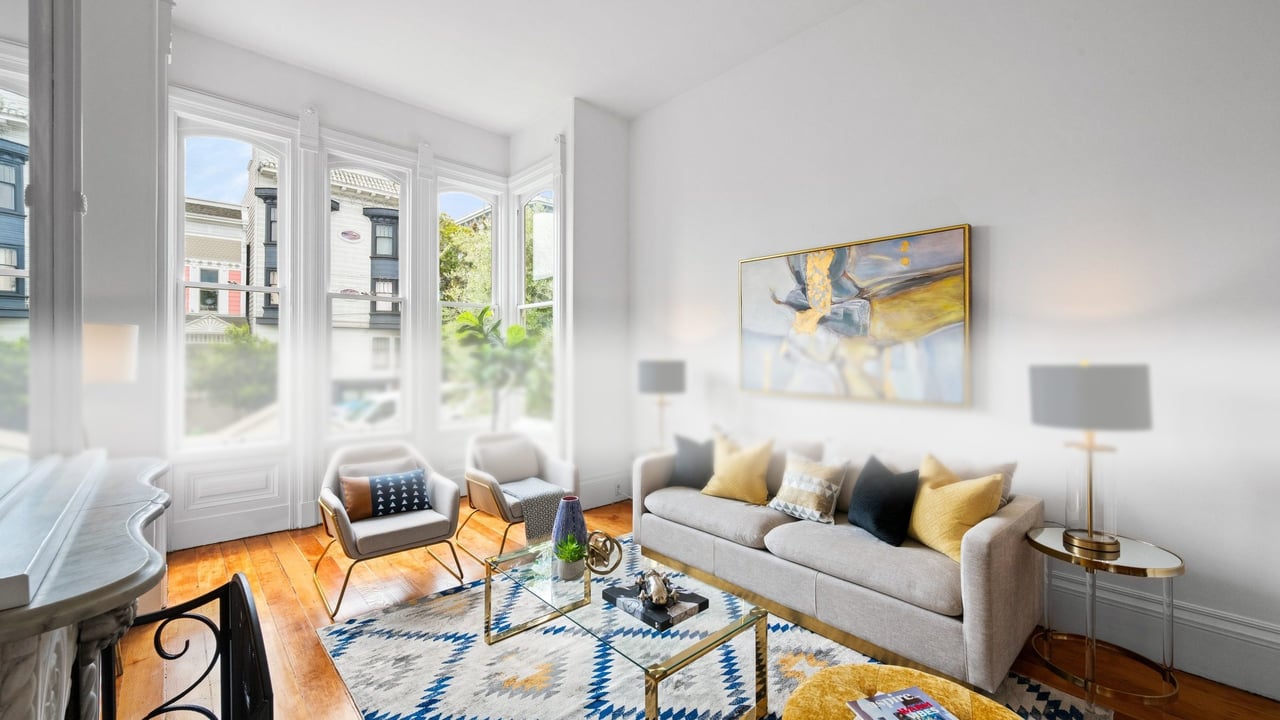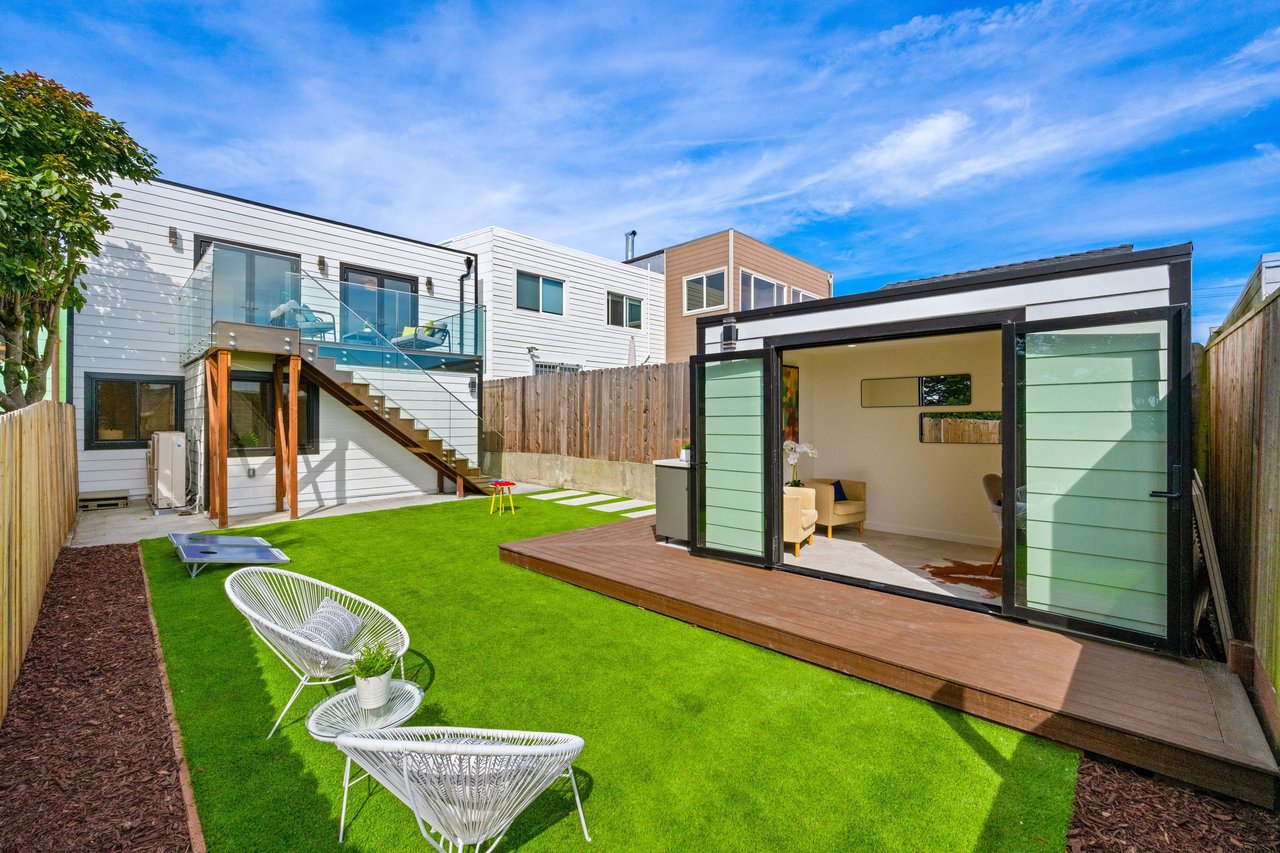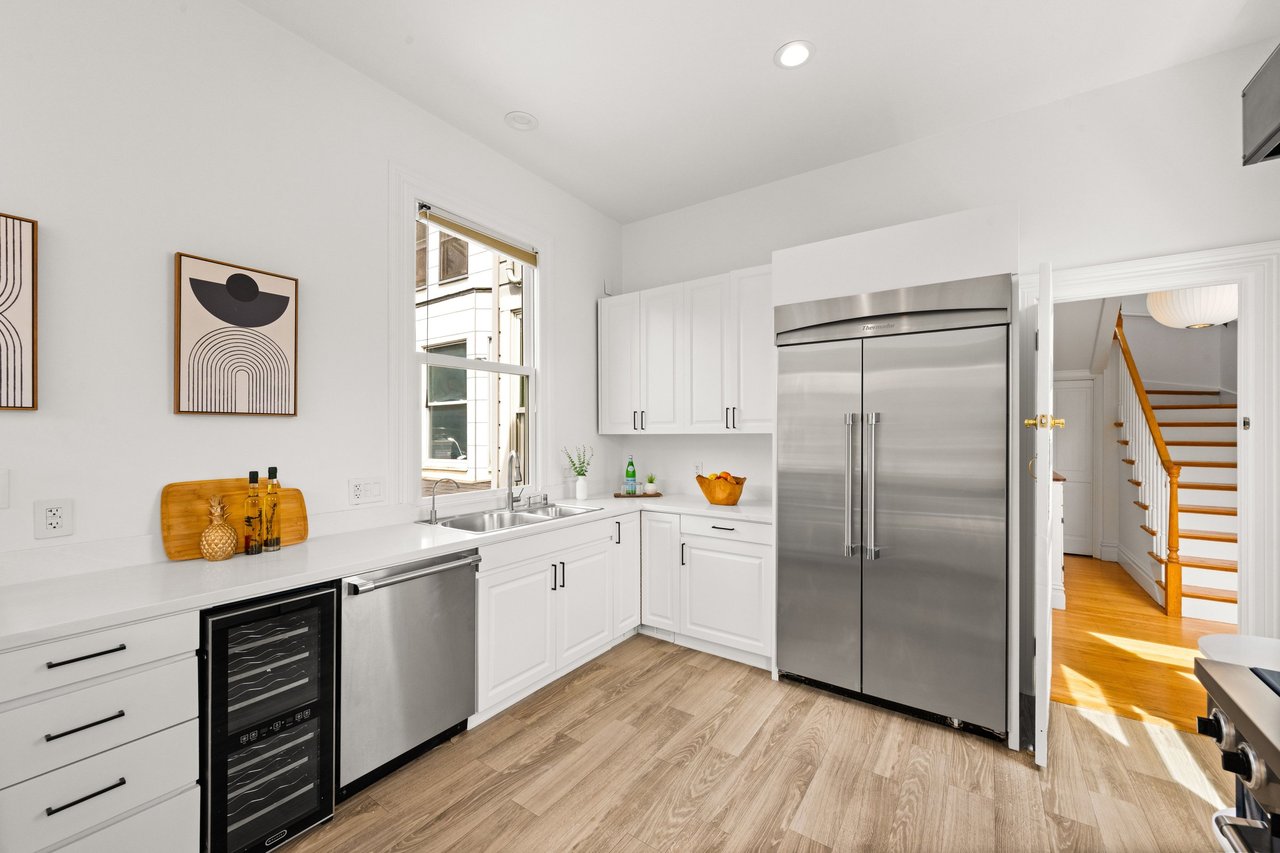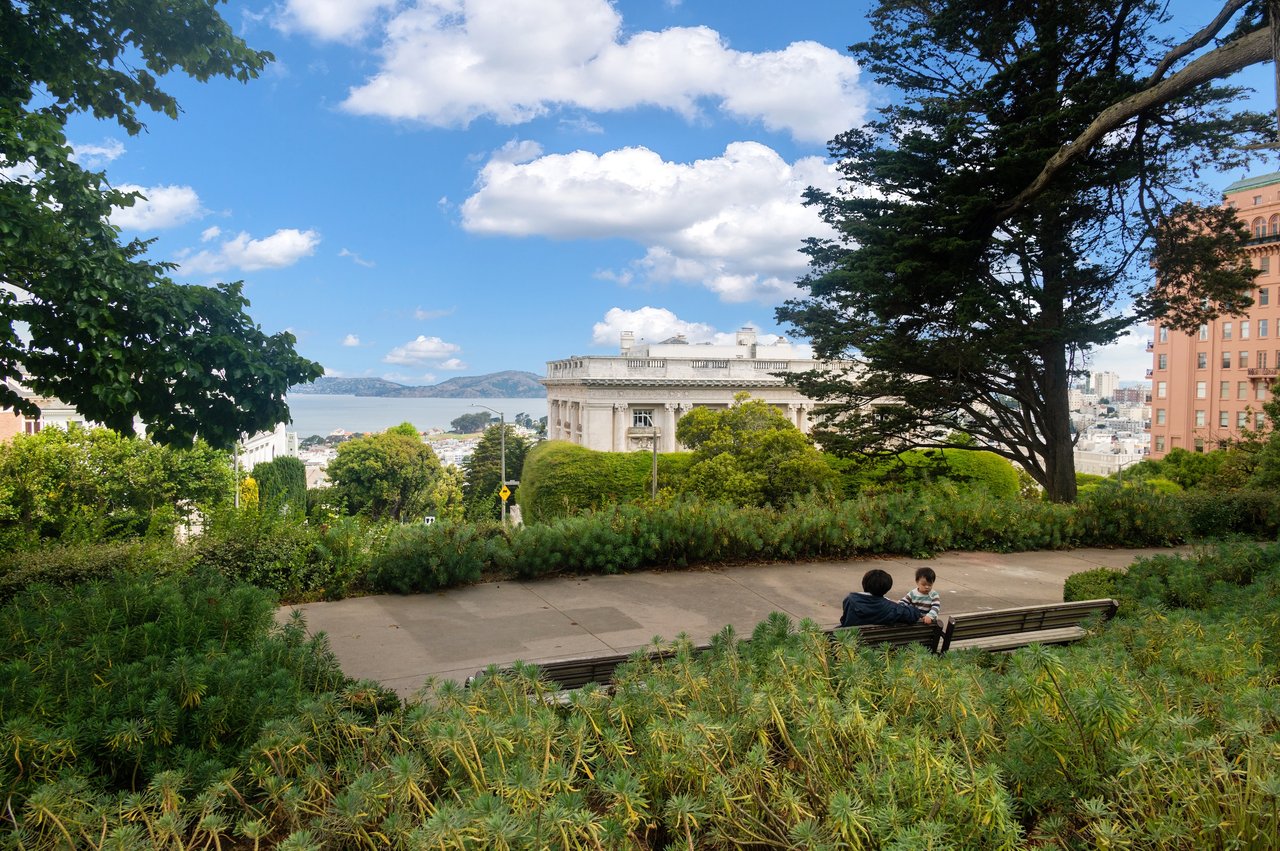
San Francisco and Marin face a deep housing shortage driven by restrictive zoning, high building costs, and resistance to density. Slow permitting and limited developable land keep supply tight, fueling competition and rising prices across both counties, and shaping every offer buyers write and every list price sellers set.
The Bay Area’s housing shortage isn’t a single-cause problem. It’s the result of decades of overlapping policies, economic realities, and local resistance to density. Here’s what’s actually driving it, county by county, and what it means if you’re buying or selling.
Strict zoning, slow permitting, and neighborhood appeals keep production far below demand.
Open space, hillside terrain, and low-density zoning leave little room to build.
High costs and rates push developers toward luxury builds over workforce housing.
Why San Francisco Can’t Build Enough Homes
In San Francisco, strict zoning laws, lengthy permitting processes, and neighborhood opposition to new development have kept housing production far below demand. Even projects that meet zoning rules often face appeals or delays, making construction timelines unpredictable and costly.
The city has consistently approved far fewer units than state housing targets require. Discretionary review, the process that lets neighbors challenge projects that already comply with the code, can add years and hundreds of thousands of dollars to a single building. Developers price that risk in, and many simply don’t build. The result is a pipeline that never catches up to the number of people who want to live here.
Marin’s Geography and Low-Density Zoning
In Marin County, the challenge is magnified by geography and community preferences. Much of the county is open space or hillside terrain, and many towns limit multi-family housing through low-density zoning. The result: extremely low turnover and few opportunities for new construction.
Decades of open-space protections, popular with residents and central to Marin’s character, also mean a large share of land will never be developed. Combine protected hillsides and watershed with single-family zoning in the towns where people most want to live, and you get a market where homes rarely come up for sale and competition for each one is fierce.
Construction Costs and the Luxury-Build Bias
High material costs, labor shortages, and elevated interest rates compound the issue, pushing developers to focus on luxury or higher-margin projects rather than workforce housing. When it costs roughly the same to entitle and build a modest unit as a premium one, the economics push almost everyone toward the high end. This imbalance creates a persistent shortage across both counties, driving prices higher and keeping entry-level buyers locked out of the market.
What the Shortage Means for You
For Buyers
Chronic undersupply is why well-priced homes still draw multiple offers even in a higher-rate market. Inventory clears quickly, and the homes that sit are usually overpriced or have a real flaw, not bargains waiting to be discovered. Winning here is less about timing the market and more about being fully prepped: financing locked, priorities clear, and ready to move on the right property when it appears. If you’re weighing your options, my buy-vs-rent guide and San Francisco market overview are good starting points.
For Sellers
Persistent scarcity is a structural tailwind, but it doesn’t make pricing automatic. Buyers are well-informed and rate-sensitive, so the homes that command the strongest results are still the ones priced to the real, current comps rather than to last year’s peak. The right list price, good prep, and the right launch window are what turn a tight market into a strong sale. If you’re thinking about selling, you can get a free home valuation here.
Have a question about our local real estate market? Get in touch.
Get In TouchOliver Burgelman
Real Estate Broker | Vanguard Properties
San Francisco & Marin County
415-244-5846