Is Hayes Valley Calling Your Name?
Short Answer
Buying in Hayes Valley isn’t just about the unit, it’s about understanding the building, the ownership structure, and how those factors affect long-term value. Different property types come with very different cost structures, risks, and upside. Buyers who take the time to compare them carefully tend to make stronger decisions and avoid surprises later.
→ Explore current Hayes Valley Homes For Sale
Hayes Valley Snapshot
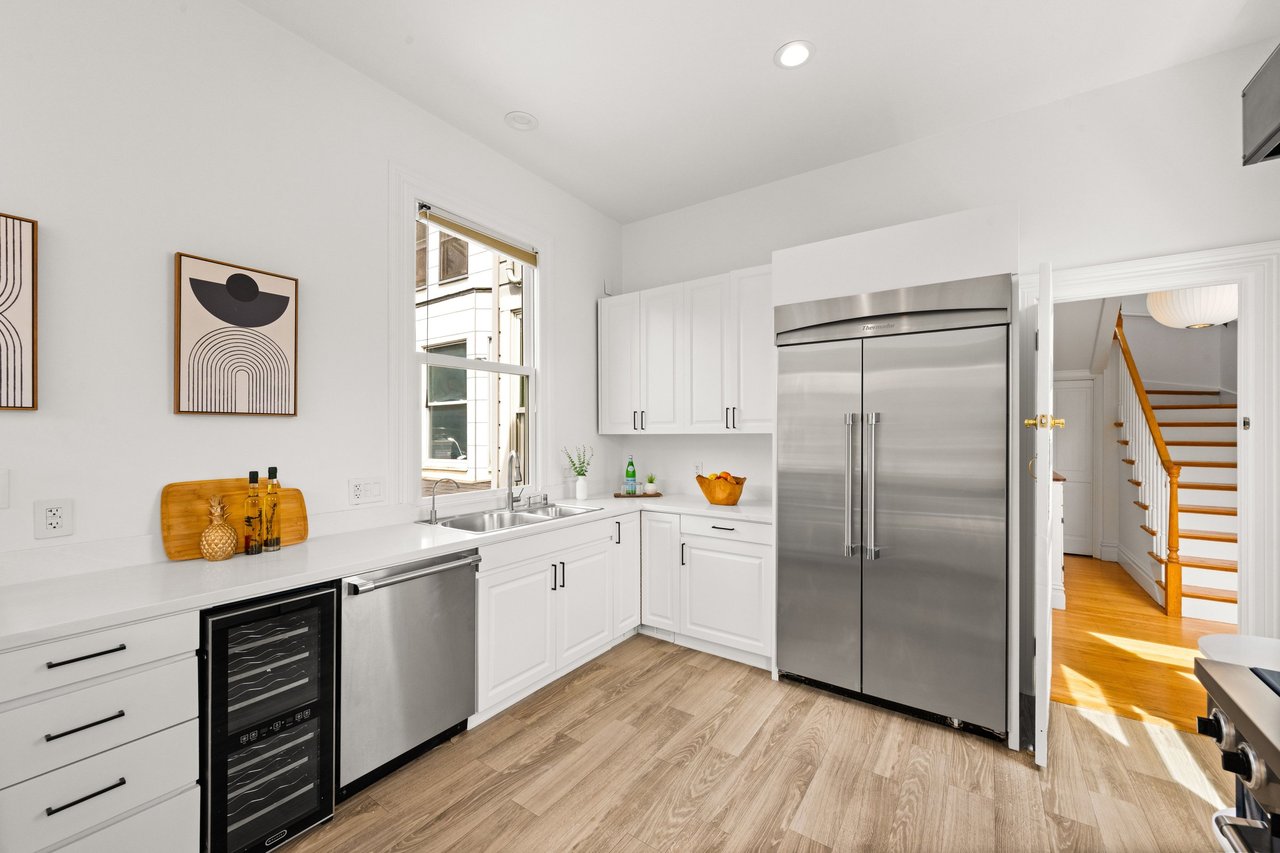
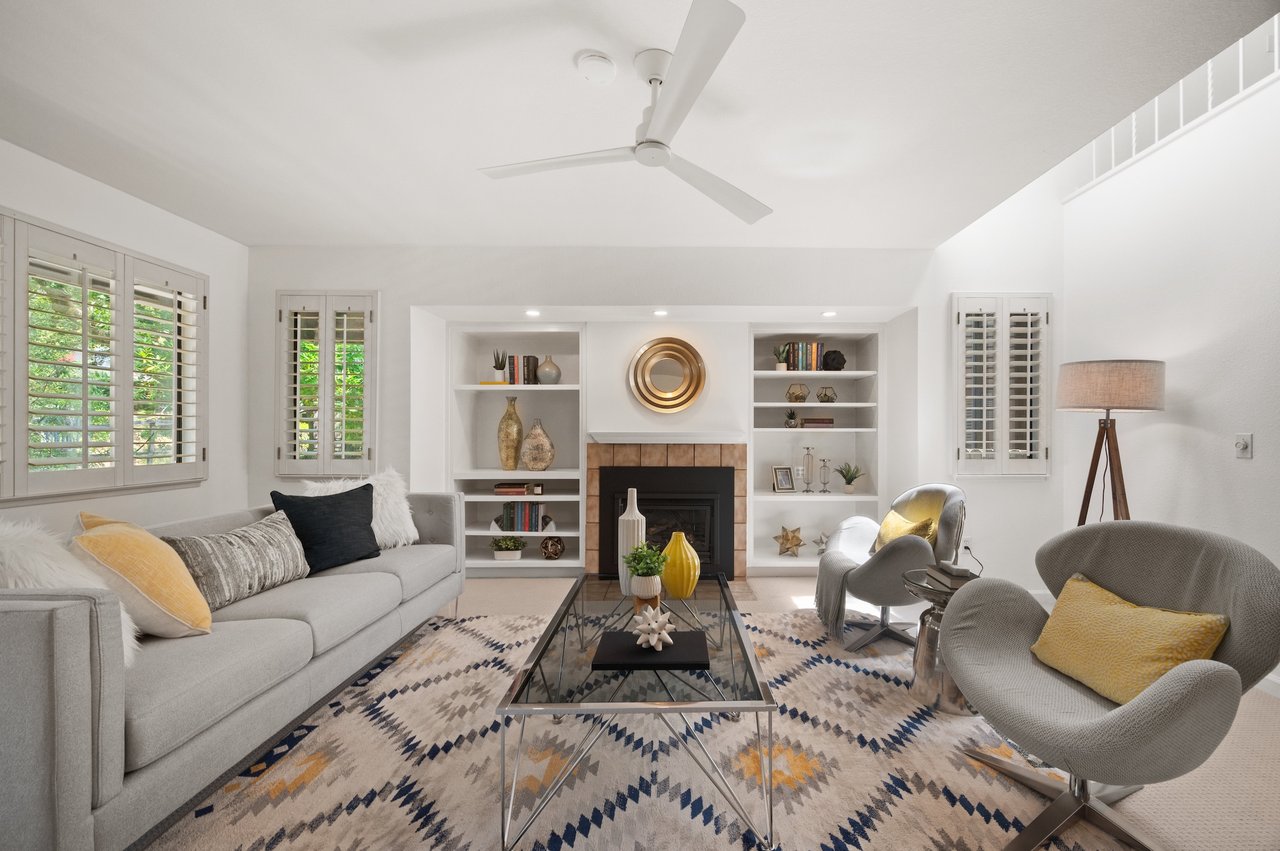
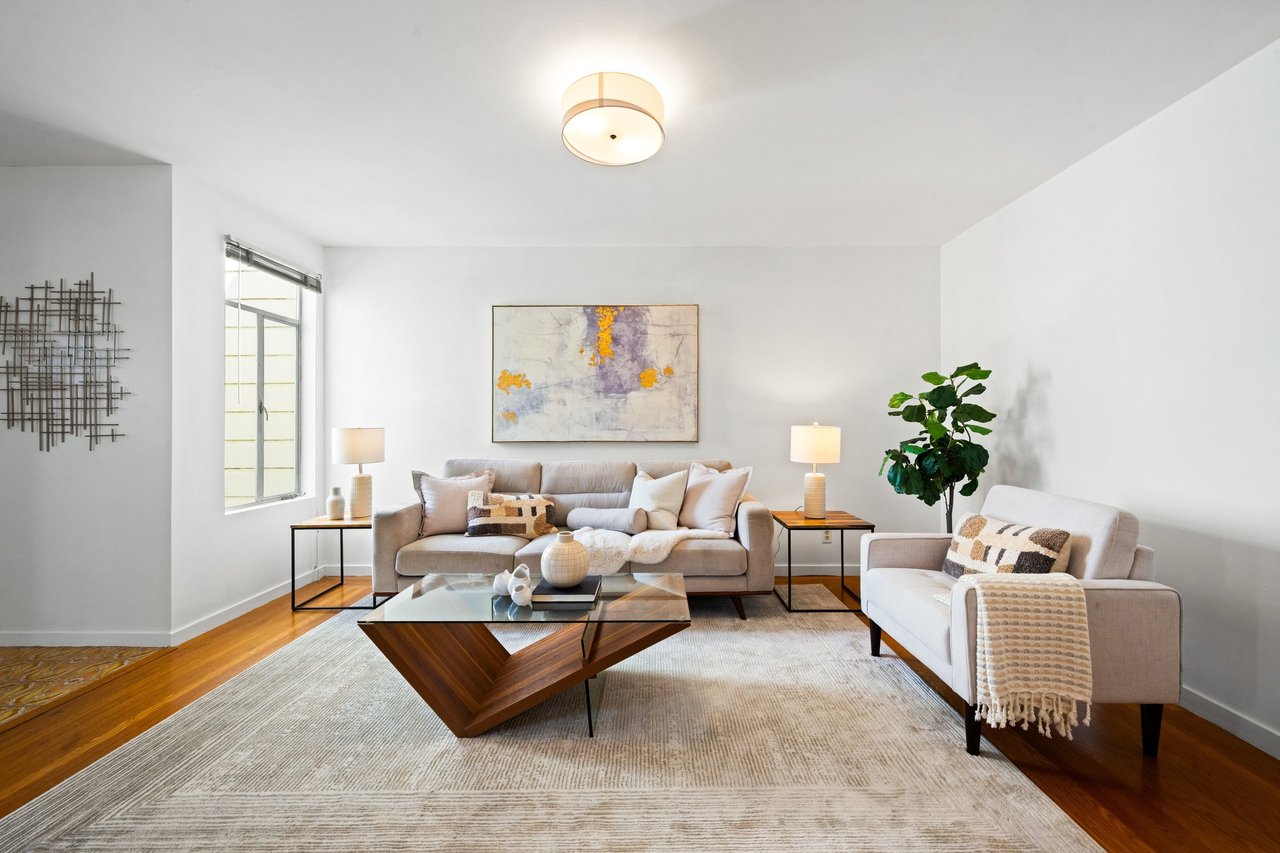
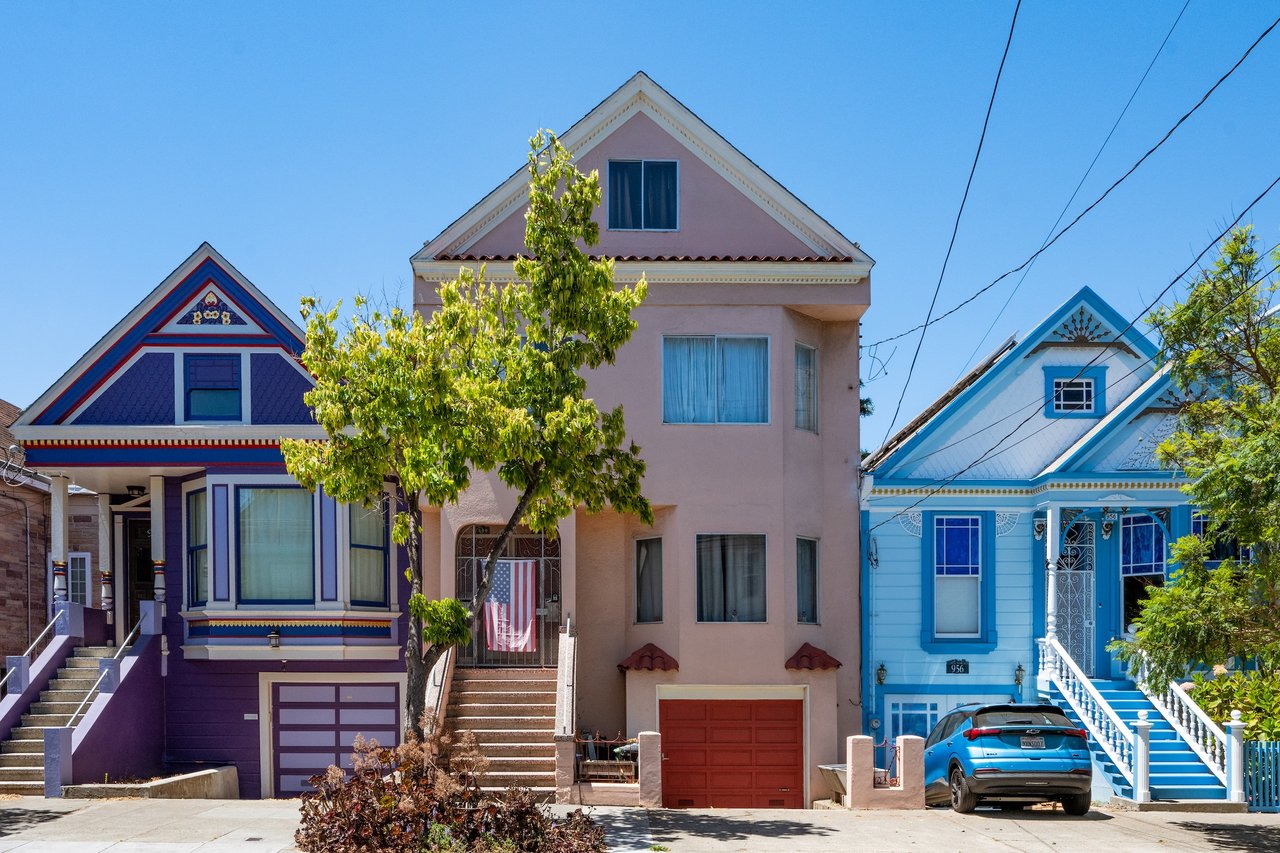
Hayes Valley offers a dense, walkable neighborhood centered around Hayes Street, Patricia’s Green, and the Market/Octavia corridor. The housing mix includes historic flats, boutique buildings, mid-rise condos, and a smaller number of multi-unit properties, most of them wood-frame construction.
The area’s central location and transit access make it one of the easier neighborhoods in the city for a car-light lifestyle. That positioning is shaped in part by the city’s Market & Octavia plan, which emphasizes walkability and mobility.
Condo Types and Trade-Offs
Converted Victorian or Edwardian Flats
Smaller buildings with historic detail and walk-up access. HOAs are often lower, but amenities are limited and reserves can be thin. These appeal to buyers who prioritize character and location. In practice, these buildings require more attention to long-term maintenance planning.
Boutique Elevator Buildings
Typically built or converted between the 1990s and 2010s. Modest common areas, sometimes parking, and mid-range HOAs. Pay attention to elevator maintenance, if there is an elevator, and reserve funding, as these can materially affect long-term costs.
Full Mid-Rise or Luxury Projects
Doorman, gym, rooftop, and structured parking. Higher HOAs, but broader appeal to certain buyers and sometimes easier financing. These buildings tend to trade more on convenience and predictability than on character.
Townhome-Style Units
Less common. Often come with more individual responsibility for exterior elements. Review CC&Rs carefully to understand maintenance obligations and where responsibility shifts from the HOA to the owner.
→ See an example of a Hayes Valley condo and how it compares
Multi-Unit Properties in Hayes Valley
While less common, multi-unit buildings in Hayes Valley offer a different way to approach ownership. For some buyers, the ability to live in one unit while generating income from the others can materially change how the property pencils.
In these cases, buyers are evaluating not just the physical property, but the relationship between current income, future potential, and ongoing maintenance. The structure of the building, and how it’s been managed over time, often matters as much as the layout itself.
What HOA Fees Cover
HOA dues typically include:
-
common-area maintenance
-
master insurance
-
property management
-
elevator service
-
landscaping
-
trash
-
reserves for long-term repairs
Full-service buildings cost more due to staffing and amenities.
Typical range: roughly $400 on the low end for small buildings, $500–$900 for many mid-range buildings, and $1,000+ for larger or luxury properties.
Two buildings with similar dues can represent very different long-term costs depending on how reserves and maintenance are handled.
HOA Disclosures You Must Review
California law requires sellers to provide a full HOA resale packet. Review these early in escrow.
This includes:
-
CC&Rs, bylaws, and rules
-
annual budget and reserve summary
-
assessment statements
-
board meeting minutes (last 12 months)
-
balcony inspection reports (SB 326 / §5551)
-
insurance summaries
The association must provide these within 10 days of request.
How to Compare Buildings Like a Local
Use these steps to evaluate properties clearly.
How to Compare Buildings Like a Local
Use these steps to evaluate properties clearly.
-
Normalize HOA Cost
Compare what dues include, not just the number.
-
Check Reserve Health
Look at percent-funded and long-term repair planning.
-
Confirm Balcony Inspection Results
Review any required repairs and how they were funded.
-
Parking and Storage
Confirm whether parking is deeded, assigned, or waitlisted.
-
Financing
Check FHA/VA eligibility early if relevant.
-
Noise and Exposure
Visit at different times of day.
-
Red Flags
Watch for low reserves, frequent assessments, or insurance issues.
→ Want help reviewing HOA documents or comparing buildings? Reach out here
Parking, Transit, and Trade-Offs
Parking is not guaranteed, especially in older buildings. Hayes Valley falls within SFMTA’s Residential Parking Permit Area HV, and many streets use Pay-or-Permit systems.
At the same time, proximity to Market Street and Octavia makes a car-light lifestyle realistic for many residents.
Buying Timeline and Document Checklist
HOA documents should be in the disclosure package before the property is ever shown. If not ask the seller to order HOA documents early, then review:
-
governing documents
-
budget and reserve study
-
assessment history
-
meeting minutes
-
balcony inspection reports
-
insurance coverage
-
upcoming projects
-
financing eligibility
The Bottom Line
In Hayes Valley, the difference between a good purchase and a great one often comes down to the building, not just the unit. Buyers who understand how structure, costs, and long-term obligations fit together tend to make stronger decisions and avoid surprises.
→ If you’re considering buying or selling in Hayes Valley, I’m happy to walk through specific buildings or property types in more detail.
Contact
Oliver Burgelman
Vanguard Properties
415-244-5846
https://burgelmanhomes.com