Quick answer: Daily life in Twin Peaks means living above San Francisco rather than inside it, scenic and breezy, with midcentury hillside homes, sweeping views, and surprisingly strong Muni access to the Castro and Noe Valley. The trade-off is wind, fog, and tourist traffic near the summit. Here's what the neighborhood actually feels like, block by block.
Ever wonder what it's actually like to live above the city instead of in the middle of it? Twin Peaks offers one of San Francisco's most recognizable settings, but daily life here is not just about postcard views. If you are thinking about buying or selling in this hillside neighborhood, it helps to understand how the elevation, housing, transit, and pace of the area come together in real life. Let's dive in.
Twin Peaks feels elevated in every sense
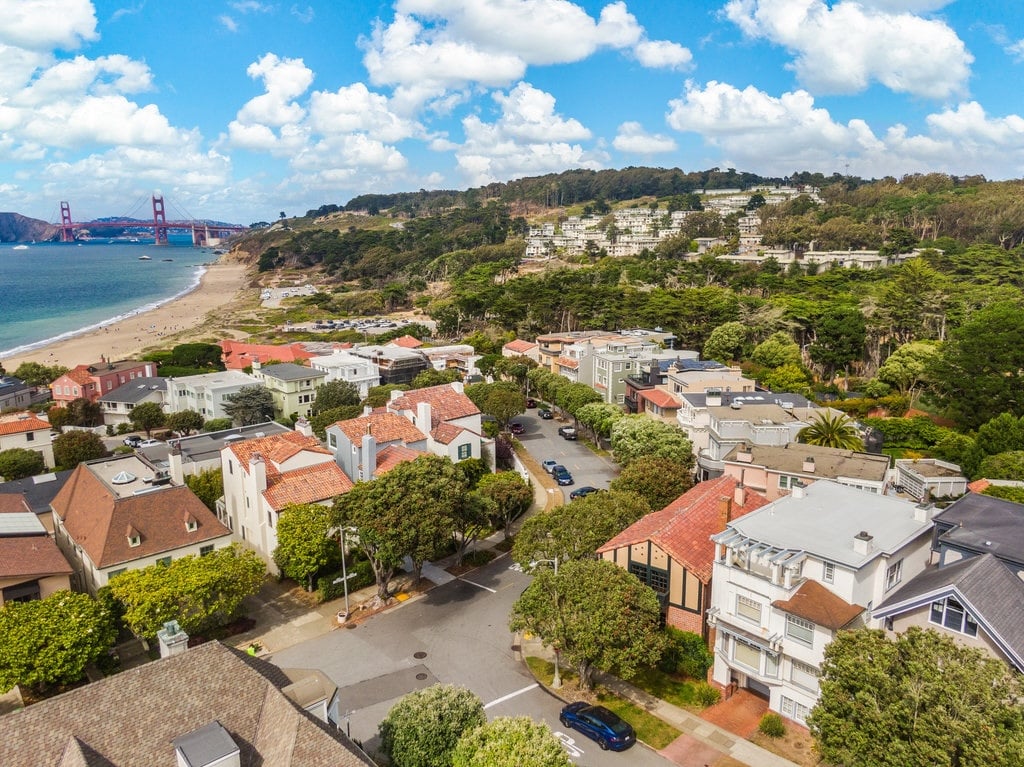
Twin Peaks sits at about 922 feet, and that changes your relationship to San Francisco right away. The city's general plan treats the area around Twin Peaks as a low-development, view-oriented focal point, which helps explain why the neighborhood often feels more open and less boxed in than flatter parts of the city.
That setting creates a different rhythm to daily life. You are not just moving through a street grid. You are living on a ridgeline where outlook, slope, and street layout shape how the neighborhood feels from block to block.
Views are part of daily life
One of the clearest lifestyle perks in Twin Peaks is the scenery. The north peak overlook offers 180-degree views, and the trail network provides 360-degree views, so the neighborhood carries a sense of drama that is hard to replicate elsewhere in San Francisco.
For many residents, that means your everyday backdrop can include skyline, bay, and hill views rather than just the building across the street. Even a quick walk can feel more like stepping into open space than running a basic errand.
Wind and fog are part of the deal
The trade-off for those views is exposure. The Twin Peaks park area is known for strong winds, and San Francisco's climate patterns bring cool marine air, fog, and typical afternoon sea breezes that can reach 20 to 30 mph.
In practical terms, Twin Peaks often feels cooler and breezier than buyers first expect. If you love fresh air and dramatic weather shifts, that can be part of the appeal. If you prefer sheltered, warmer blocks, it is worth experiencing the neighborhood at different times of day before making a move.
The summit feels different from the streets below
A helpful thing to know is that Twin Peaks has two distinct moods. The summit is a major tourist destination, with visitors arriving by car, bike, walk, and tour bus, while the residential streets below often feel quieter and more private.
That contrast matters when you are choosing where to live. A home in the broader Twin Peaks area can offer easy access to iconic views and trail networks without putting you in the middle of the busiest summit activity.
Homes reflect the hillside setting
Twin Peaks is not a uniform historic district with one dominant architectural type. A San Francisco Planning neighborhood profile recorded a median structure year of 1961, which points to a meaningful midcentury layer in the housing stock. You can get a feel for the range by browsing current Twin Peaks homes for sale.
That gives the neighborhood a different housing identity than areas known for older Victorian or Edwardian concentrations. You are more likely to see a hillside residential mix shaped by later-20th-century development patterns, along with selected Modern examples in the area.
Midcentury character stands out
Because so much of Twin Peaks housing is tied to topography, homes here often feel site-specific. The slope, outlook, and street pattern influence how a property sits on the land, how it captures light, and how it frames views. If you own one, the same traits shape strategy when it comes time to sell, something I cover in selling a midcentury home the smart way.
San Francisco Planning also identifies 2 Clarendon Avenue in the Twin Peaks area as an excellent and unique example of Modern residential design. That is a useful clue to the neighborhood's broader character. Twin Peaks can appeal to buyers who appreciate cleaner lines, later-era layouts, and architecture shaped by the hillside rather than a flat block pattern.
The setting shapes the home search
When you tour homes in Twin Peaks, you are often evaluating more than square footage and finishes. You are also looking at exposure, elevation, access, and how the home connects to the land around it.
For buyers, that means the right fit usually comes down to lifestyle as much as floor plan. For sellers, it means the home's position, views, and relationship to the hillside can play a major role in how the property is presented and priced.
Getting around is easier than many expect
At first glance, Twin Peaks may seem like a place where you need a car for everything. In reality, SFMTA lists the area as served by K, L, M, T, 6, 33, 35, 36, 37, 43, 44, 48, and 52 service, making it more transit-connected than the terrain might suggest.
That does not make Twin Peaks a walk-everywhere neighborhood in the same way as denser commercial districts. But it does support a practical hybrid lifestyle where many residents combine transit and driving depending on the day.
The Twin Peaks Tunnel matters
One reason transit access works so well here is the Twin Peaks Tunnel. Opened in 1918, it connected Market Street with Forest Hill and West Portal, and it now carries more than 80,000 Muni customers daily.
That infrastructure quietly shapes daily convenience. It helps link hillside living with key city destinations, which is one reason Twin Peaks can feel more connected than its dramatic topography suggests.
Muni links to nearby hubs
Several routes make day-to-day connections easier. The 37 Corbett links Twin Peaks to Castro Street Muni Metro and Church Street Muni Metro stations and passes through Noe Valley. The 35 Eureka runs to The Castro and Glen Park and also serves Noe Valley. The 48 Quintara/24th Street runs 24 hours daily and serves Castro/Upper Market and Noe Valley.
For residents, that means dinner plans, errands, and transit transfers do not always require driving. You can live in a quieter, elevated setting and still stay tied into some of San Francisco's most active nearby hubs.
Driving and parking have their own rhythm
For drivers, Twin Peaks still functions as a hilltop destination. Vehicular access to the summit is via Portola Drive, street parking is widely available off Crestline Drive, and there is a small lot near the Christmas Tree Viewing Area.
At the same time, the area is evolving. Part of the closed roadway is being turned into a pedestrian- and cyclist-first linear park, which adds to the neighborhood's outdoor identity and changes how some parts of the summit experience feel over time.
Open space is built into the lifestyle
One of the biggest everyday advantages of Twin Peaks is that nature is not an afterthought. The summit connects to Glen Canyon Park through the Creek to Peaks Trail, and the promenade update is set to improve connections to both the Bay Area Ridge Trail and the Creeks-to-Peaks Trail.
That makes outdoor access part of the neighborhood's identity, not just a nearby bonus. If you like the idea of stepping outside and immediately feeling connected to trails, views, and open landforms, Twin Peaks stands apart.
Nearby Castro and Noe Valley add convenience
Twin Peaks often works best for people who want a more tucked-away home base without losing access to nearby commercial and social hubs. The Castro and Noe Valley are the clearest anchors, and transit routes connect the neighborhood directly to both.
That balance is a big part of the appeal. You can enjoy a quieter residential setting on the hill, then reach busier shopping, dining, and transit connections without feeling isolated.
What daily life really feels like
In plain terms, Twin Peaks feels scenic, exposed, and surprisingly connected. You get a stronger sense of topography here than in many San Francisco neighborhoods, and that changes everything from weather and views to housing style and mobility.
For some buyers, that combination feels like a perfect fit. For others, the wind, elevation, and tourist activity near the summit may be less appealing. The key is to think beyond the famous lookout and focus on how the neighborhood's hillside character matches the way you want to live every day.
If you are weighing a move in or out of Twin Peaks, local context matters. The difference between one block and another can be meaningful here, and a neighborhood-level strategy can help you evaluate value, lifestyle fit, and presentation with much more clarity. When you are ready to talk through Twin Peaks with someone who knows San Francisco block by block, reach out to Oliver Burgelman.
Whether you are buying on the hill or weighing a sale, start with the numbers and the local read.
Get your free home valuation Browse Twin Peaks homesFAQs
Is Twin Peaks in San Francisco windy year-round?
Twin Peaks is known for strong winds, and San Francisco's marine climate often brings cool air, fog, and afternoon breezes, so the neighborhood commonly feels breezy and cool.
Can you live in Twin Peaks without a car?
In many cases, yes. Twin Peaks has broad Muni service and direct connections to places like Castro, Noe Valley, Glen Park, and the Muni Metro network.
What types of homes are common in Twin Peaks?
Twin Peaks has a hillside residential mix with a notable midcentury profile and some Modern residential examples rather than one single historic style.
Does the Twin Peaks summit feel busy compared with nearby homes?
Often, yes. The summit is a major tourist destination, while residential streets in the surrounding area typically feel calmer and more removed.
Is Twin Peaks close to restaurants and errands in San Francisco?
Twin Peaks connects well to nearby hubs like the Castro and Noe Valley, which helps residents reach everyday dining, errands, and transit links without relying only on a car.