Wondering whether you should renovate, repaint, stage, or simply list your Sun Valley mid-century home as-is? If you own one of these character-rich homes in San Rafael, that question matters more than ever in a market where buyers still respond to charm, but pricing mistakes can slow momentum fast. The good news is that smart preparation usually beats over-improving, and a clear strategy can help you protect what makes your home special while still appealing to today’s buyers. Let’s dive in.
Why Sun Valley Tells a Strong Story
Sun Valley has a distinct identity within central San Rafael, and that matters when you sell. The neighborhood is not just another Marin address. It offers established residential streets and the everyday convenience that many owner-occupant buyers are looking for.
The City of San Rafael describes Sun Valley Park as a long-standing community gathering place and notes that it is about a 10-minute walk from Sun Valley Elementary School. For sellers, that helps shape a practical neighborhood story around location, local amenities, and daily livability without needing to oversell the home itself.
For a mid-century property, that setting can be a real advantage. Buyers drawn to existing homes often value character, charm, and a better sense of individuality. In Sun Valley, that usually means your home should be positioned around authentic design and central convenience, not compared to generic newer construction.
Understand the Current Market
A smart sale starts with a realistic read on the market. In May 2026, Redfin reported Sun Valley’s median sale price at $1,249,580, down 8.4% year over year. That does not mean homes are not selling. It means buyers are paying attention to value.
In San Rafael overall, the median sale price in May 2026 was $1,284,231, homes averaged about 23 days on market, and the average sale-to-list ratio was 102.1%. Across Marin County, the median sold price was $1.5 million, with a median 26 days on market and a 100% sale-to-list ratio in spring 2026.
The takeaway is simple: well-presented homes can still perform well, but overpricing is risky. This is especially important when Redfin also reported that 28.3% of San Rafael homes had price drops. If you want your Sun Valley home to stand out, pricing needs to reflect the exact home, lot, condition, and buyer appeal, not just a broad Marin number.
What Buyers Notice First
When buyers walk into a Sun Valley mid-century home, they usually respond first to how intentional it feels. Clean lines, natural light, polished floors, and a calm sense of design can make original architecture feel timeless. Tired finishes, deferred maintenance, and clutter tend to do the opposite.
In Sun Valley and central San Rafael, value is often shaped by a few key features:
- Condition of the home
- Lot usability
- Privacy
- Views
- Parking
- Single-level convenience
- Quality of updates
- Preservation of original architectural character
Current Sun Valley listing language also tends to emphasize private backyards, mature landscaping, cul-de-sac settings, views, and proximity to the park or school. That gives you a useful clue about what local buyers are being asked to notice when they compare homes.
Protect the Mid-Century Character
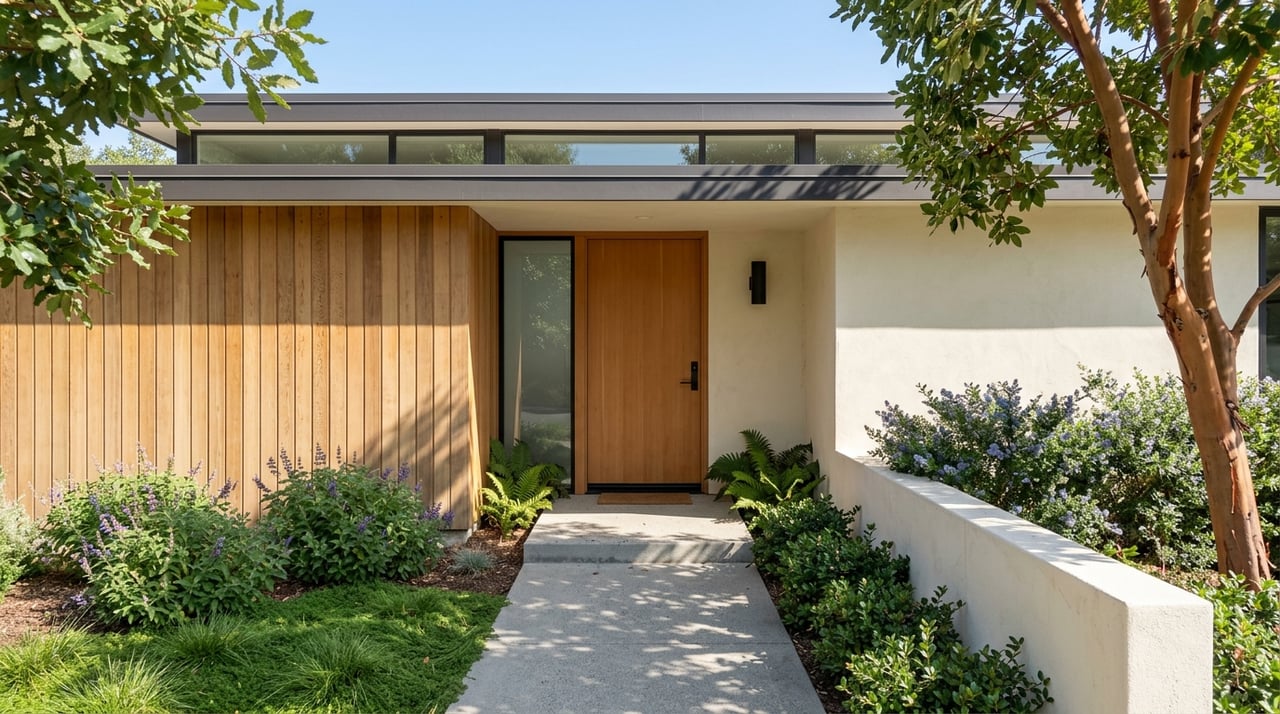
One of the biggest mistakes sellers make is remodeling away the very thing that makes the home memorable. A Sun Valley mid-century home often has built-in appeal because it feels different from newer homes. If those original details are still in good condition, they can help your listing stand out.
That does not mean you should leave everything untouched. It means the goal is to preserve what is authentic while removing what feels worn, dark, or neglected. Buyers are often open to character, but they are less excited about visible maintenance issues or a home that feels like a future project.
A smart strategy usually focuses on making the architecture feel clean and purposeful. Think repaired hardware, refreshed paint, better lighting, tidy landscaping, and surfaces that photograph well. Those changes help buyers see the design, not the distractions.
Pre-Listing Updates That Usually Pay Off
Before listing, it helps to focus on the improvements buyers can see right away. According to NAR’s 2025 Remodeling Impact Report, the top projects agents recommend before listing include painting the entire home, painting one room, and new roofing.
The same report found that a new steel front door had 100% cost recovery, with strong recovery also tied to a new fiberglass front door, closet renovation, and garage door replacement. That is a helpful reminder that visible, practical improvements often do more for resale than a major remodel.
For many Sun Valley sellers, the best return comes from selective preparation such as:
- Interior paint in a clean, neutral palette
- Exterior touch-ups
- Flooring repairs or refinishing
- Updated lighting
- Front door or entry improvements
- Landscaping cleanup
- Roof or drainage attention if needed
These updates can make a home feel cared for without erasing its original style. In a mid-century home, restraint is often part of the strategy.
Why Staging Still Matters
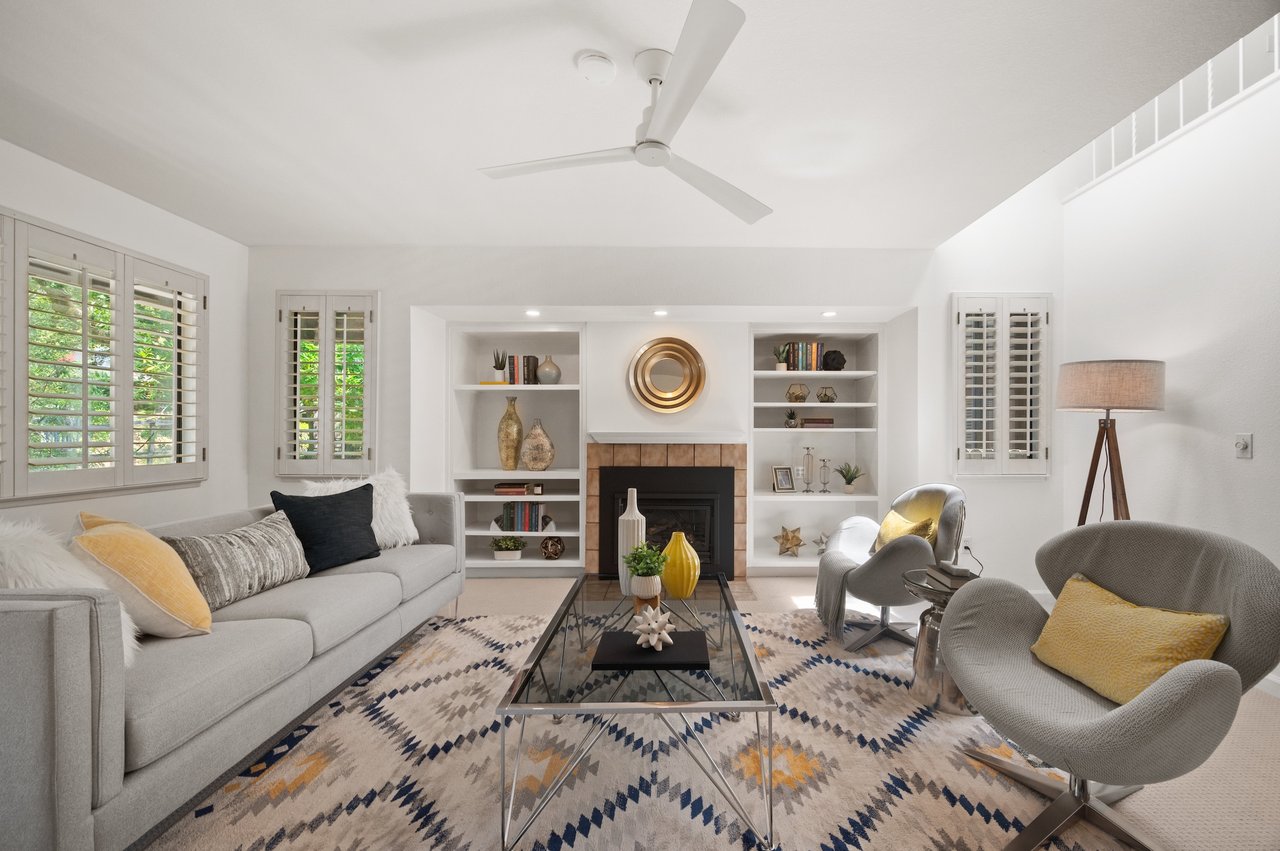
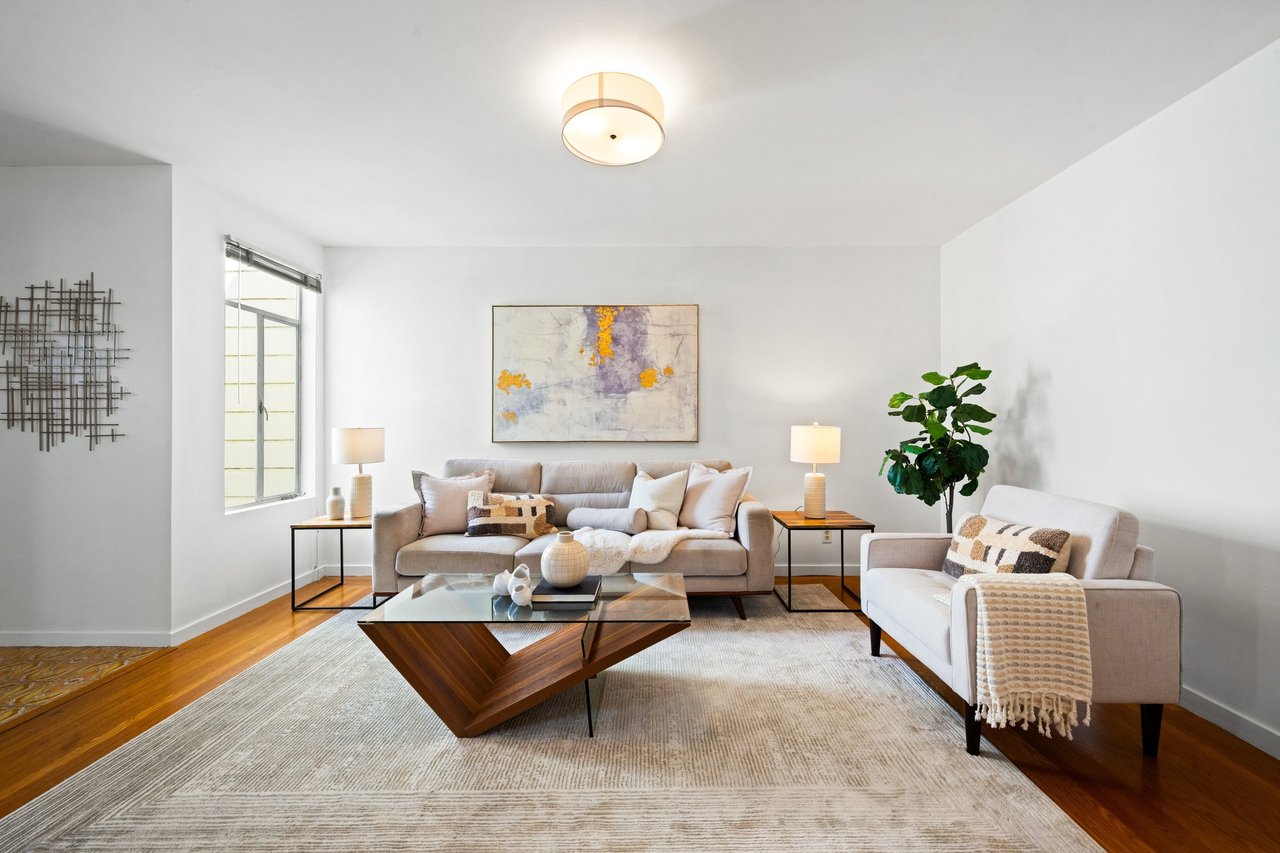
Staging does not have to mean filling the house with trendy furniture. Often, it means helping buyers understand the scale, function, and feel of the home within seconds of walking in or seeing the photos online.
NAR’s 2025 staging report found that 29% of agents said staging increased dollar value offered by 1% to 10%, and 49% said staging reduced time on market. The same research showed that the living room, primary bedroom, and kitchen are the most important rooms to stage.
For a Sun Valley mid-century home, staging usually works best when it highlights simplicity and flow. That might include decluttering, creating stronger furniture layouts, improving lighting, and making outdoor spaces feel usable. The goal is not to make the home look generic. It is to make it feel edited, bright, and easy to understand.
Price With Precision, Not Hope
Pricing is where many otherwise strong listings lose leverage. In a neighborhood like Sun Valley, small differences in lot utility, privacy, view exposure, updates, and layout can shift buyer perception quickly.
That is why your pricing strategy should be built around the true comp set for Sun Valley and central San Rafael, rather than a broad countywide average. A preserved single-level mid-century on a usable lot with privacy and strong presentation may compete very differently than a home with similar square footage but fewer lifestyle advantages.
Overpricing can be especially costly in a market that still moves. When buyers sense a home is priced ahead of the market, they may wait, negotiate harder, or move on. A well-priced home, by contrast, tends to create stronger early interest, which can improve both timing and negotiating position.
A Smart 6 to 18 Month Seller Timeline
If you have flexibility, giving yourself a longer runway can make the sale smoother and more profitable. Realtor.com identified the week of April 12 to 18, 2026 as the best time to sell nationally, and Redfin points to late March through mid-May as a generally strong selling window. That makes early planning especially useful if you are aiming for spring.
A practical prep timeline often looks like this:
Six to Twelve Months Out
Start with the items that are harder to fix at the last minute. Review the roof, drainage, major systems, and permit history. If your home sits on a slope or has older retaining or drainage systems, it is especially helpful to understand those conditions early.
Three to Six Months Out
Shift to visible improvements that will affect first impressions. This is the time for paint, exterior touch-ups, lighting updates, flooring repairs, and landscape cleanup. If you are going to make selective upgrades, this is usually the best window to do them without rushing.
Thirty to Sixty Days Out
This is the final presentation phase. Declutter, stage the most important rooms, and schedule photography when the home shows in its best light. Final pricing should reflect Sun Valley and central San Rafael comps, not just a broad Marin headline number.
Stay Ahead on California Disclosures
Preparation is not just visual. It is also administrative. The California Department of Real Estate says the Transfer Disclosure Statement must be delivered before title transfer and covers the property’s physical condition along with hazards or defects.
The Natural Hazard Disclosure Statement now includes whether a property is in a high or very high fire hazard severity zone and whether it is in a state responsibility area or local responsibility area. For sellers of older homes, organized records and early problem-solving can help reduce surprises later in the process.
The California Geological Survey notes that major geologic hazards in the state include earthquakes, landslides, and liquefaction. If your property has slope, drainage, retaining walls, or older systems that may raise questions, it is wise to gather documentation early and decide what to address before going live.
The Smart Way to Sell
Selling a Sun Valley mid-century home the smart way usually comes down to three things: preserve the character, improve the presentation, and price with discipline. You do not need to turn a distinctive home into something it was never meant to be. You do need to help buyers see that it has been cared for and positioned thoughtfully.
That is where a neighborhood-specific strategy matters. A home in Sun Valley is competing on more than square footage. It is competing on setting, design, usability, and the emotional clarity of the first impression.
If you are thinking about selling and want a tailored plan for timing, preparation, pricing, and launch, Oliver Burgelman can help you evaluate your Sun Valley home with a clear, data-driven approach.
FAQs
What makes a Sun Valley mid-century home appealing to buyers?
- Buyers are often drawn to Sun Valley for its central San Rafael location, established residential setting, access to Sun Valley Park, and the charm and character that existing mid-century homes can offer.
What pre-listing updates matter most for a Sun Valley home sale?
- Visible improvements usually matter most, including paint, lighting, flooring repairs, entry updates, landscaping, and addressing obvious maintenance items like roofing or drainage if needed.
What is the biggest pricing risk when selling in Sun Valley?
- The biggest risk is overpricing, since current market data shows that well-presented homes can still sell well, but listings priced ahead of the market are more likely to stall or need reductions.
When should you start preparing a Sun Valley mid-century home to sell?
- If possible, start 6 to 12 months ahead by reviewing major systems, roof, drainage, and records, then complete visible improvements 3 to 6 months before listing and final staging 30 to 60 days out.
What disclosures should California sellers expect for a Sun Valley property?
- California sellers should expect to complete the Transfer Disclosure Statement and Natural Hazard Disclosure Statement, including required information about physical condition, defects, and applicable hazard zones.
Should you fully remodel a Sun Valley mid-century home before selling?
- Usually, no. The research suggests that selective, visible improvements and careful presentation often outperform full-scale remodeling, especially when the home’s original architecture is part of its appeal.