How to Get a Demolition Permit in San Rafael (and Whether a Teardown Is Worth It)
A San Rafael agent's walkthrough of the demolition permit process — historic review, environmental assessments, zoning, fees — plus the bigger question of whether to tear down or simply sell as-is.
Is It Worth Tearing Down a Home in San Rafael?
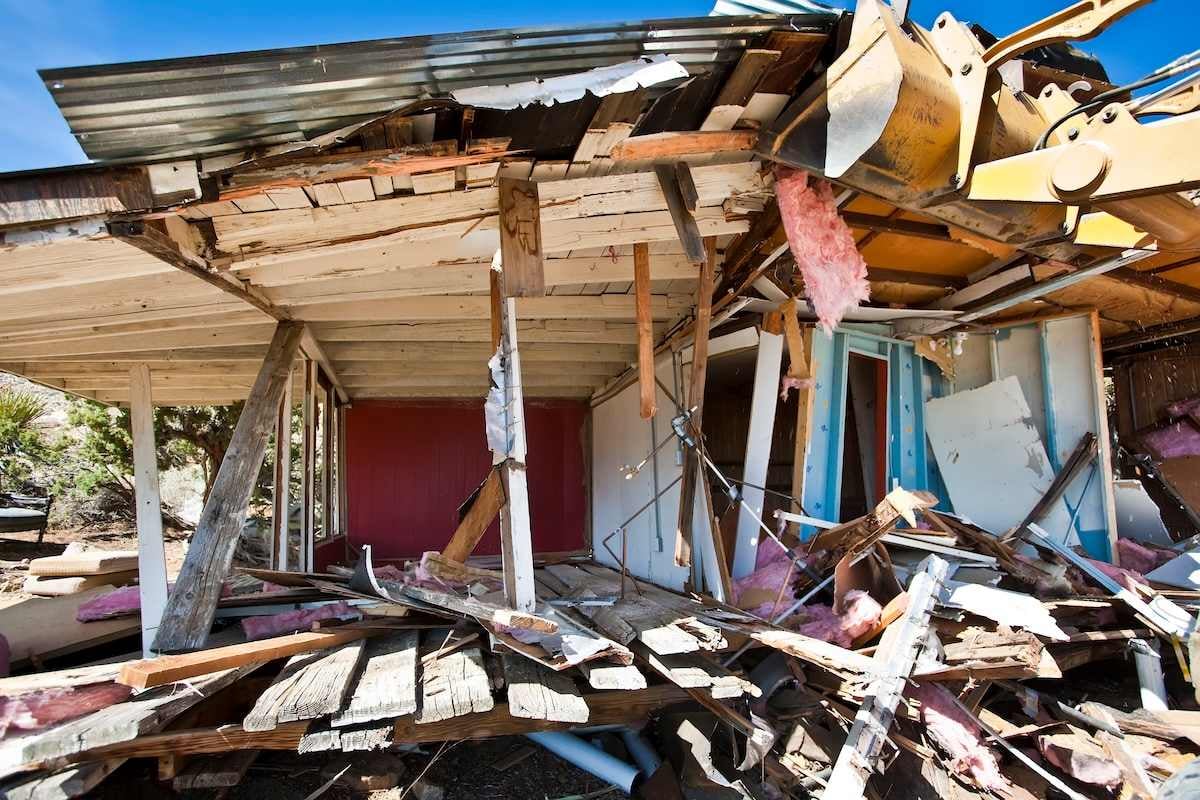
Before you think about permits, it's worth asking the bigger question: does a teardown actually pencil out? In much of San Rafael — from Gerstle Park and Sun Valley to the hills of Peacock Gap and Dominican — a large share of a property's value is in the land, not the structure. For an older or distressed home on a desirable lot, demolishing and rebuilding (or selling to a builder who will) can be the highest-value path. For many sellers, though, a strategic sale "as-is" nets more after you account for the time, cost, and risk of demolition. The rest of this guide walks the permit process, then helps you weigh that decision.
Keep in mind this is a starting point. Demolishing a property is a complicated process that requires several professionals to complete successfully — this guide is meant to orient you, not replace a contractor, architect, or the City.
The Demolition Permit Process, Step by Step
Every teardown in San Rafael moves through roughly the same checkpoints. Here's what to expect at each stage.
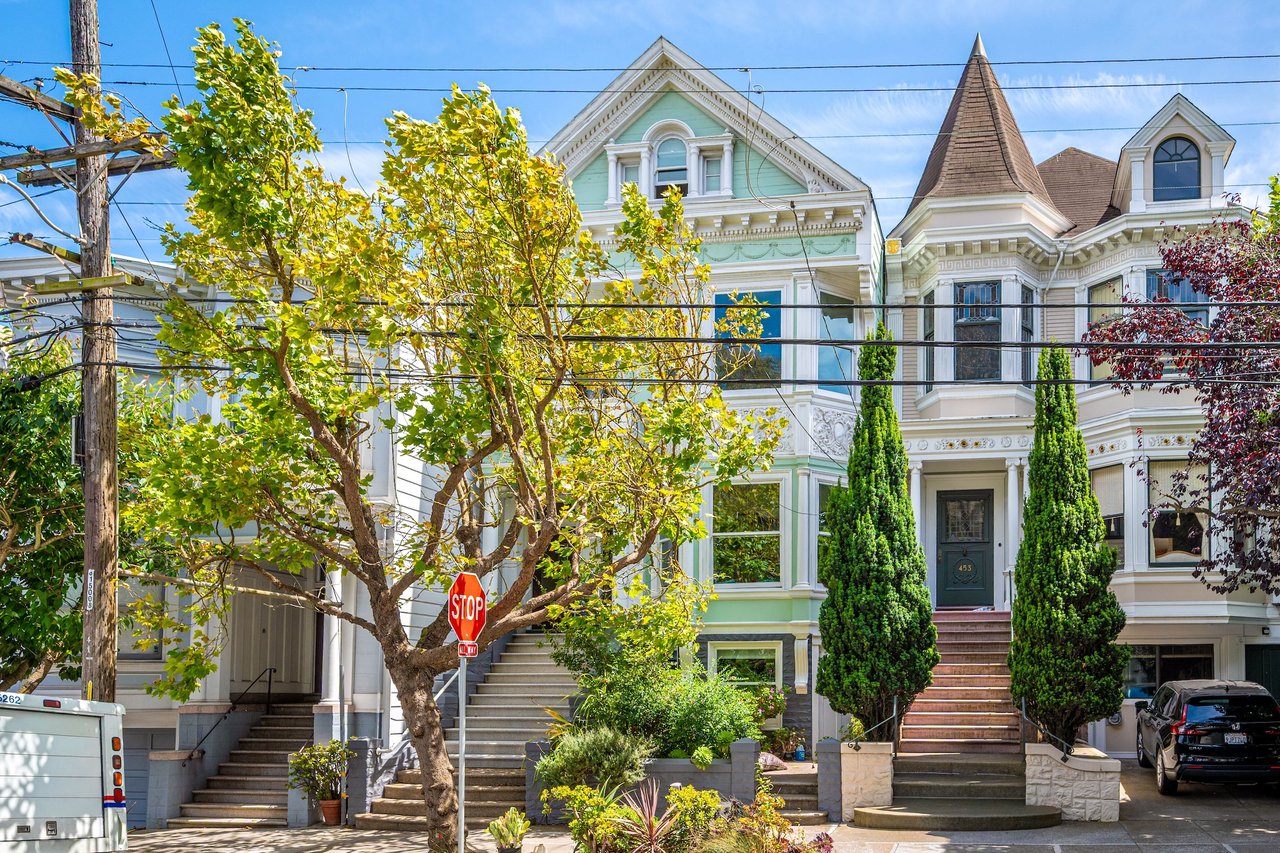
If the home is designated as historic or sits in a historic district, the process gets more complex. You may need approval from the San Rafael Planning Commission or the city's historic review process, along with reports justifying demolition based on the home's condition. Confirm status early — it's the single biggest factor in your timeline.
You'll typically need assessments for hazardous materials such as asbestos and lead-based paint before demolition. Asbestos work in particular is regulated by the Bay Area Air Quality Management District. These add time but are essential — skipping them is one of the fastest ways to stall a project.
The city assesses how a demolition affects the surrounding neighborhood. In a residential zone you may need to present plans for the property's future use — typically a rebuild. Zoning regulations often require those plans up front, so demolition and rebuild design are usually considered together, not in sequence.
In many cases neighbors are notified and public hearings may be held, especially when a demolition could affect the character of the block. Objections from neighbors or community groups can slow approval, so it pays to address concerns early and proactively.
There are fees tied to a demolition permit, varying with scope and required reviews. Plan for multiple inspections — both before and after — to confirm code compliance. For current fee schedules and forms, check with the City of San Rafael Building Division.
How Long Does a Demolition Permit Take in San Rafael?
Timelines vary widely. A straightforward demolition — a non-historic home with clean environmental reports and zoning in order — can move relatively quickly. Historic review, hazardous-material remediation, or neighborhood objections can stretch the process out by months. The biggest accelerators are confirming historic status up front, lining up your environmental assessments early, and working with a contractor or permit expediter who knows San Rafael's process.
Teardown vs. Sell As-Is: What's Your Lot Actually Worth?
Here's where the decision gets real. The right answer depends on your lot, your timeline, and what comparable land and finished homes are selling for in your specific sub-area.
Demolish & rebuild
Can unlock a property's full land value — but it ties up capital for a year or more and carries permitting and construction risk. Best when the land clearly outvalues the structure and you have the appetite for the process.
Sell as-is
Faster and cleaner. Selling to a buyer or builder in a strong San Rafael market often nets a very competitive number with none of the demolition headache. Best when you value speed, certainty, and zero construction exposure.
If you're weighing this, the smartest first step is to find out what your property is worth today — both as-is and as a potential teardown lot. Get a free, no-obligation valuation of your San Rafael home or lot here.
Thinking About Demolishing or Selling?
I'm a San Rafael real estate agent who works with owners of older and distressed properties on exactly this question — whether a teardown pencils out, or whether a strategic as-is sale nets you more. Have a place you're thinking about? Let's talk it through, no pressure.
Curious what's on the market first? Browse current San Rafael homes for sale, or review the Home Seller's Guide if you're getting ready to list.
Frequently Asked Questions
How much does a home demolition permit cost in San Rafael?
Demolition permit fees vary with the size and scope of the project and any required environmental or historic reviews. Check the City of San Rafael Community Development Department for current fee schedules, and budget separately for asbestos/lead testing and abatement.
How long does it take to get a demolition permit in San Rafael?
A simple, non-historic demolition with clean environmental reports can move relatively quickly, while historic review, hazardous-material remediation, or neighborhood objections can add months. Confirming historic status and ordering environmental assessments early are the best ways to keep the timeline short.
Do I need to test for asbestos or lead before demolishing a home?
Yes — testing for hazardous materials such as asbestos and lead-based paint is typically required before demolition, and asbestos handling is regulated by the Bay Area Air Quality Management District.
Should I tear down my San Rafael home or sell it as-is?
It depends on your lot's land value, your timeline, and local comparables. Demolishing and rebuilding can unlock full land value but ties up capital and carries risk; selling as-is is faster and often very competitive. A current valuation comparing both scenarios is the best way to decide.
Oliver Burgelman | CA DRE# 01388135 | (415) 244-5846