If you are thinking about selling a home in San Rafael, the biggest question is not just when to list. It is how to prepare, price, and launch in a way that fits your exact property and neighborhood. In a market with steady demand but clear price sensitivity, the right strategy can help you protect value, attract stronger interest, and avoid costly missteps. Let’s dive in.
Understand San Rafael's Market
San Rafael remains active, but it is not a one-size-fits-all market. According to Redfin's February 2026 housing market snapshot for San Rafael, the median sale price was $1.34M, homes spent a median of 36 days on market, and homes received about 2 offers on average.
That pace points to real buyer demand, but it does not mean every listing will move quickly. Realtor.com's March 2026 San Rafael market data reported 154 active listings, a $995K median listing price, 32 median days on market, and a seller's market. Different data sources measure different things, but together they suggest a market where buyers are active and still comparing options carefully.
At the county level, the pattern is similar. Redfin's Marin County housing market report showed a median sale price of $1,357,250, a 100.2% sale-to-list ratio, 41.5% of homes selling above list price, and 12.4% of homes with price drops. That mix matters because it shows opportunity for well-positioned listings, while also reminding sellers that overpricing can slow momentum.
Price for Your Micro-Market
One of the most important steps in selling a home in San Rafael is pricing for your exact location, property type, and condition. Broad city or county numbers are helpful for context, but they can hide major differences between neighborhoods.
Realtor.com's neighborhood-level San Rafael data shows how wide that range can be. Median listing prices vary from about $475K in Southeast San Rafael to about $2.67M in Marinwood, and median days on market range from 28 in Terra Linda to 126 in Dominican-Black Canyon. That spread is why a pricing strategy based only on county averages can miss the mark.
The takeaway is simple: buyers compare your home to nearby alternatives, not to all of Marin County. Lot size, views, updates, age, layout, and street location can all affect pricing. In a market where some homes sell above asking and others require reductions, precision matters.
Why Overpricing Can Backfire
It is easy to assume that listing high leaves room to negotiate. In practice, that approach can reduce early interest, especially when buyers have enough inventory to compare homes side by side.
Recent county data supports that point. Redfin reported that 41.5% of homes sold above list price, while 12.4% had price drops. Zillow's Marin County snapshot also showed a meaningful share of homes selling under list. The market is active, but buyers are responding best to homes that feel aligned with current value from day one.
What Smart Pricing Looks Like
A strong pricing strategy usually starts with a close read of recent comparable sales, current competition, and your home's presentation. If your home is well prepared and launches with strong marketing, pricing can create urgency rather than resistance.
This is especially important in San Rafael, where neighborhood differences are significant. A thoughtful approach can help you capture serious buyers early, when your listing is freshest and attention is highest.
Prep Before You List
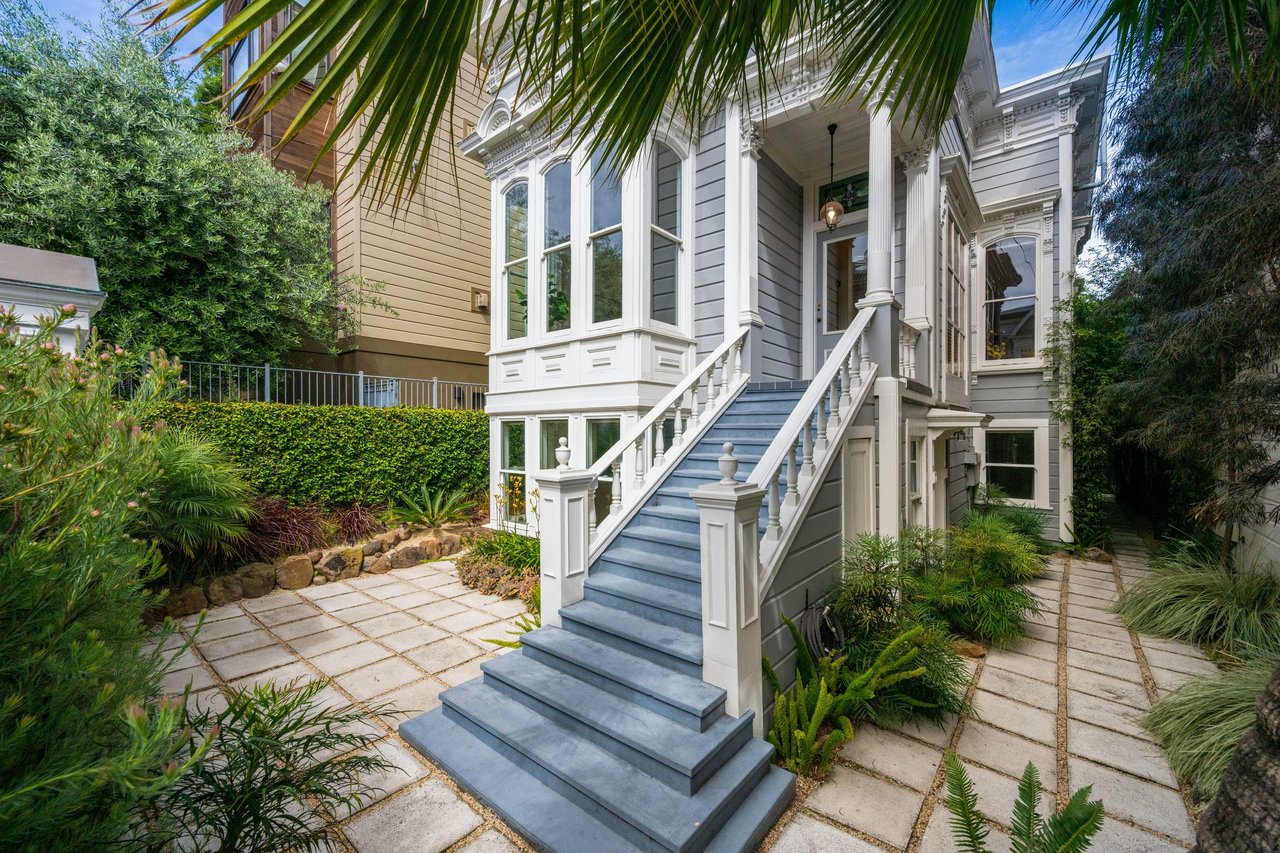
Preparation is not about doing everything. It is about focusing on the updates and presentation choices that make buyers feel confident the moment they walk in or scroll through photos.
The good news is that many of the highest-impact improvements are straightforward. According to the National Association of Realtors 2025 staging report, the most common seller recommendations include decluttering, cleaning the entire home, and improving curb appeal.
Start With the Visible Basics
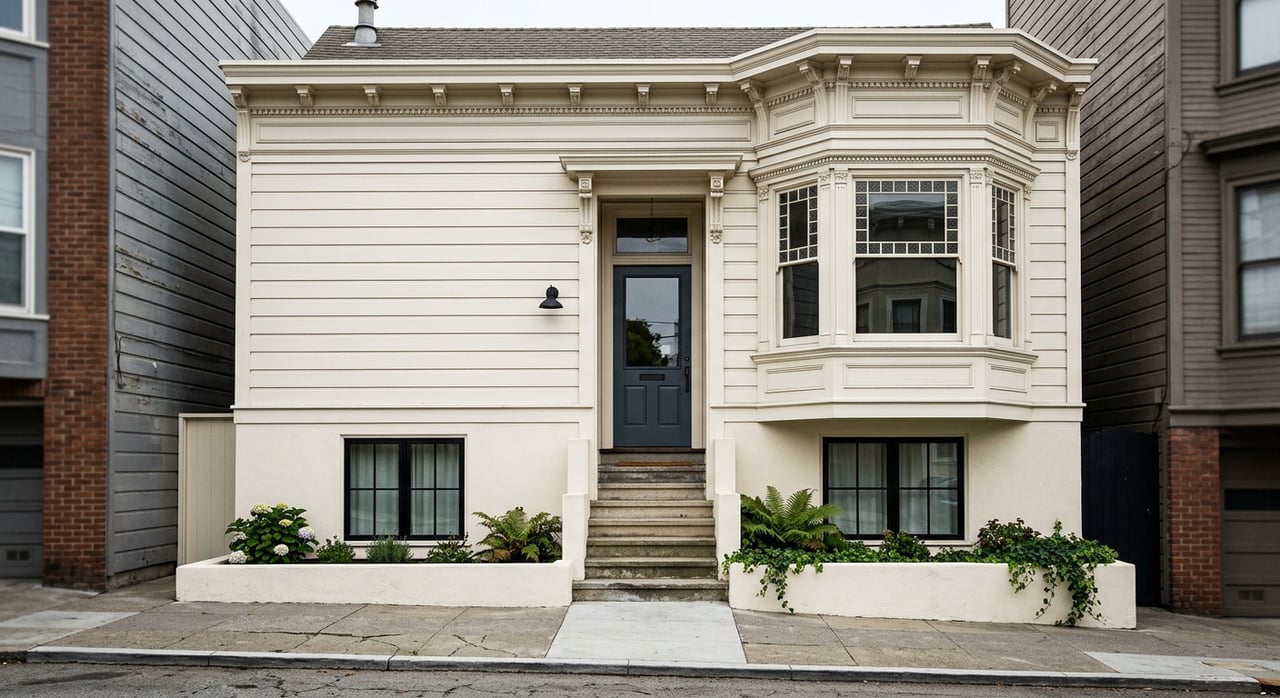
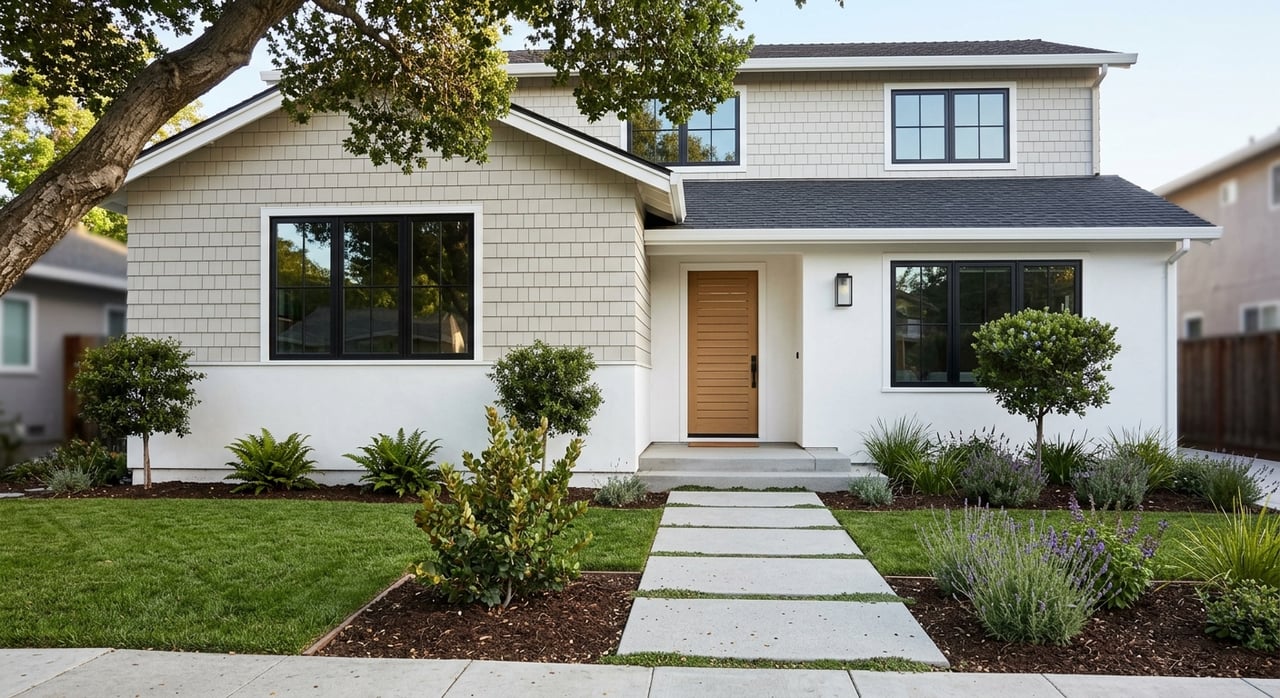
Before you think about larger projects, handle the items buyers notice first. Clean surfaces, open spaces, fresh-smelling rooms, and tidy exterior areas all help your home feel better maintained.
NAR's 2025 Remodeling Impact Report found that buyers are less willing to compromise on home condition. The report highlights seller-focused recommendations such as painting the entire home, painting one room, and new roofing. It also points to projects like front-door replacement, flooring, and kitchen or bath refreshes as resale-relevant updates.
Focus on High-Impact Rooms
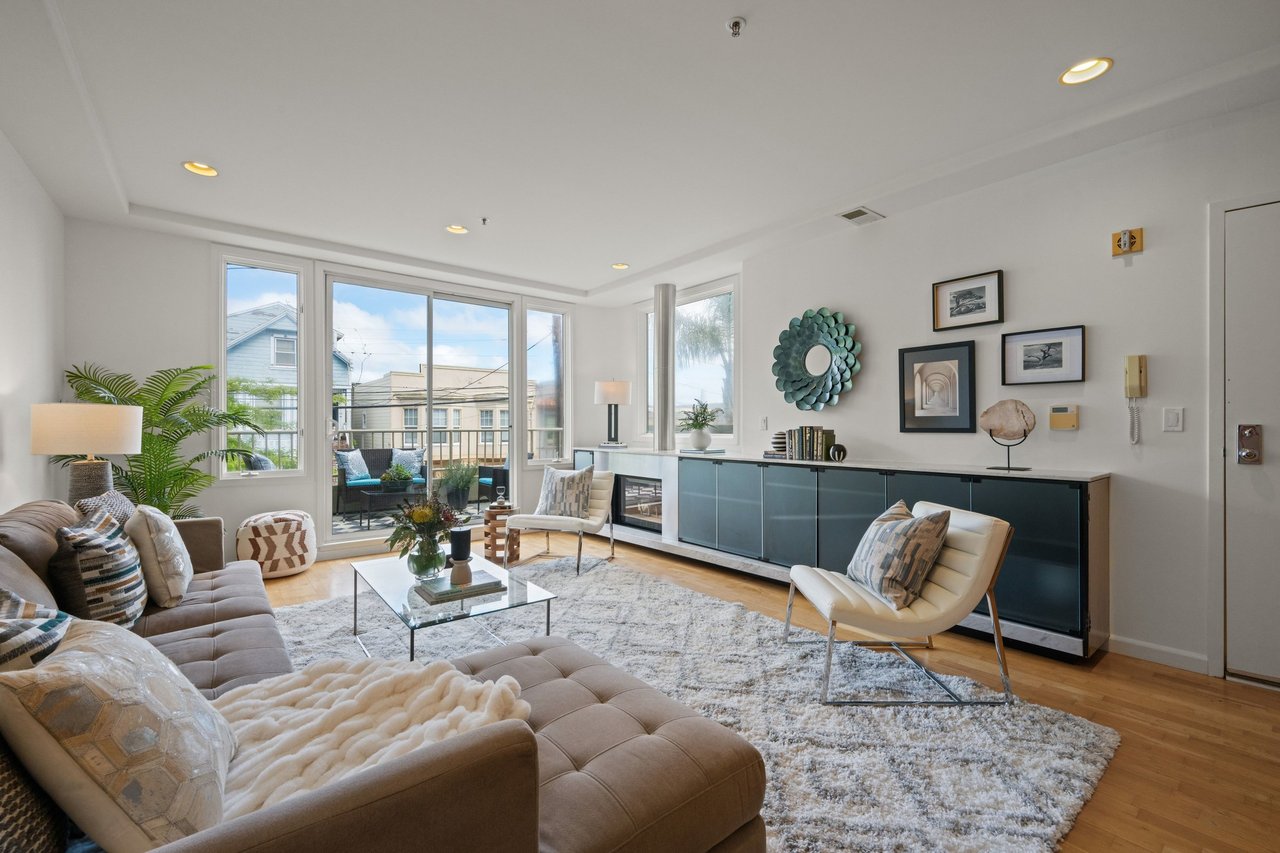
If you are deciding where to spend time and budget, prioritize the rooms buyers tend to remember most. NAR found that the most commonly staged rooms are the living room, primary bedroom, dining room, and kitchen.
Those spaces often shape a buyer's first impression of comfort, functionality, and care. Even modest improvements in these areas can strengthen your home's presentation online and in person.
Staging Often Helps
Staging is not required for every sale, but the data suggests it can be useful. In NAR's 2025 staging report, 29% of agents said staging increased dollar value offered by 1% to 10%, and 49% said it reduced time on market. The same report found that 83% of buyers' agents said staging made it easier for buyers to envision the property as a future home.
The reported median cost for a staging service was $1,500. For many sellers, that makes staging worth considering as part of a broader pre-listing plan, especially when paired with cleaning, decluttering, and strategic repairs.
Launch Timing Matters
A strong sale often starts weeks, or even months, before the listing goes live. That is why timing is not only about choosing a date on the calendar. It is also about making sure your home is ready when market conditions and buyer attention line up.
Realtor.com's 2026 Best Time to Sell report identified April 12 through 18 as the strongest national window to list, based on higher prices, more views per listing, less time on market, and fewer price reductions than an average week. At the same time, the report notes that timing can vary by region, and West Coast patterns may differ, so local guidance still matters.
Preparation often takes longer than sellers expect. Realtor.com reported that 53% of sellers take one month or less to get their home ready to list, while Zillow's 2025 seller survey found that the typical seller seriously thinks about selling for 3 to less than 4 months before listing. In other words, the selling process often begins well before the photos and open houses.
A Simple San Rafael Prep Timeline
If you want to keep the process organized, this basic timeline can help:
- 6 to 12 weeks before listing: review pricing strategy, identify repairs, and build a prep plan
- 4 to 8 weeks before listing: paint, declutter, clean, and schedule any staging or minor updates
- 2 to 3 weeks before listing: finalize staging, complete photography, and prepare marketing materials
- Launch week: go live with polished visuals, clear pricing, and a coordinated showing plan
Marketing Supports Your Price
Presentation is not separate from pricing. It is one of the reasons buyers may feel your asking price is justified.
NAR's 2025 staging report found that buyers' agents ranked photos, physical staging, videos, and virtual tours as highly important listing tools. Photos led at 73%, followed by videos at 48% and virtual tours at 43%.
That matters because many buyers will form their first opinion online. Strong photography, thoughtful staging, and a polished digital presentation can increase attention early, which is often when a listing has the best chance to generate momentum.
For sellers in San Rafael, this is especially useful in a market with both active demand and real competition. A clean launch supported by strong visuals and neighborhood-aware pricing can help your home stand out without relying on price cuts later.
What Sellers Should Keep in Mind
As you prepare to sell, keep these principles front and center:
- Use neighborhood-level pricing, not just broad county averages
- Fix what buyers notice first, especially condition and presentation issues
- Consider staging strategically, particularly in key living spaces
- Start early, since prep often takes longer than expected
- Treat marketing as part of value, not just promotion
Selling a home in San Rafael can still produce strong results, but success usually comes from careful planning rather than guesswork. With the right prep, pricing, and launch strategy, you can put your home in the best position to attract serious buyers and move forward with confidence.
If you are planning a move in San Rafael and want a clear, neighborhood-specific strategy, Oliver Burgelman offers hands-on guidance, pre-listing support, and data-driven advice to help you prepare and price with confidence.
FAQs
What is the current home selling pace in San Rafael?
- According to Redfin's February 2026 data, San Rafael homes had a median of 36 days on market, while Realtor.com's March 2026 snapshot showed 32 median days on market.
How should sellers price a home in San Rafael?
- Sellers should price based on the exact neighborhood, property type, condition, and nearby comparable homes, because San Rafael neighborhood price ranges and market pace vary widely.
Does staging help when selling a home in San Rafael?
- NAR's 2025 staging report found that staging can help buyers picture the home more easily, and many agents said it can reduce time on market and increase the dollar value offered.
What repairs matter most before listing a San Rafael home?
- NAR's remodeling report supports focusing on visible, high-impact updates such as paint, flooring, roofing, front-door improvements, and kitchen or bath refreshes when needed.
When should you start preparing to sell a home in San Rafael?
- It is smart to start planning several weeks or months before listing, since prep, repairs, staging, and marketing coordination often begin well before the home goes live.