Wondering whether Bayview is a smart place to buy your first home or make an investment? You are not alone. In a city where prices can feel out of reach, Bayview stands out for its lower entry point, varied housing options, and growing public investment, but it also calls for a careful, block-by-block approach. This guide will help you weigh the pros, the tradeoffs, and what to look for before you make a move. Let’s dive in.
Why Bayview gets attention
Bayview often comes up for buyers who want more attainable pricing than many other San Francisco neighborhoods. Over the three months ending April 2026, Bayview’s median sale price was $889,669, compared with $1.63 million citywide. It also came in below nearby neighborhood medians such as Portola, Visitacion Valley, and Excelsior.
That gap matters if you are buying your first home or trying to enter the market with an eye toward long-term value. It can also matter if you are an investor looking for a lower basis than other parts of San Francisco. Still, lower pricing does not automatically mean easy buying, especially in a competitive market.
Bayview market snapshot
Bayview is often described as very competitive, and that can shape your strategy right away. Redfin reports median days on market at 25, while another recent market snapshot showed 50 median days on market and 13 active listings. The difference is a reminder that neighborhood data can vary depending on source and timing.
It is also worth noting that market sites may label the area simply as Bayview, while city planning documents use Bayview Hunters Point. In practical terms, that means neighborhood numbers are best used as guidance, not as a substitute for property-specific analysis.
What the numbers mean for first-time buyers
If you are a first-time buyer, Bayview may offer a more realistic path into San Francisco ownership than higher-priced neighborhoods nearby. You may find options across a wider price range, from condos to older single-family homes, depending on condition and exact location.
At the same time, a competitive market means you should be ready to move when the right property appears. Shorter decision windows can make preparation especially important, from financing to understanding your must-haves versus nice-to-haves.
What the numbers mean for investors
If you are looking at Bayview as an investment, pricing can look more approachable than many other San Francisco neighborhoods. Recent sold examples ranged from about $525,000 to $1.3 million, including a two-bedroom condo around $579,000, a three-bedroom home around $995,000, and a two-bedroom, two-bath home at $1.3 million.
That spread tells you something important. In Bayview, value is shaped heavily by property type, condition, and micro-location. A broad neighborhood average only gets you so far.
Housing options in Bayview
One of Bayview’s strengths is that it is not a one-product neighborhood. According to San Francisco Planning’s 2025 housing inventory, Bayview Hunters Point had 13,296 housing units in its 2024 base inventory. That includes single-family homes, two-to-four-unit buildings, smaller apartment buildings, and larger multifamily properties.
For buyers, that mix creates options. For investors, it creates different entry points and strategies depending on whether you are considering a condo, a small multifamily building, or a larger income-producing asset.
Older homes and smaller multifamily stock
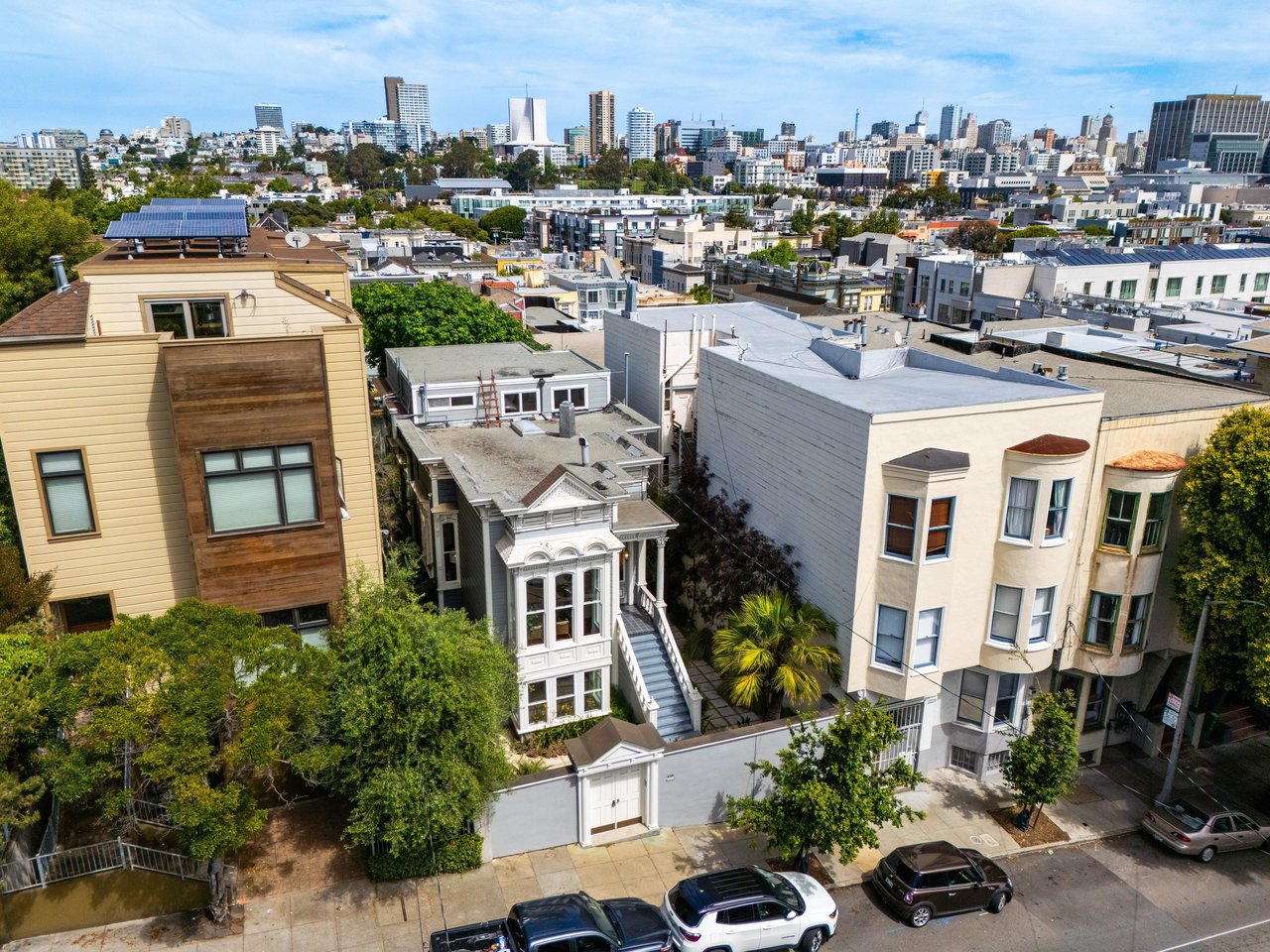
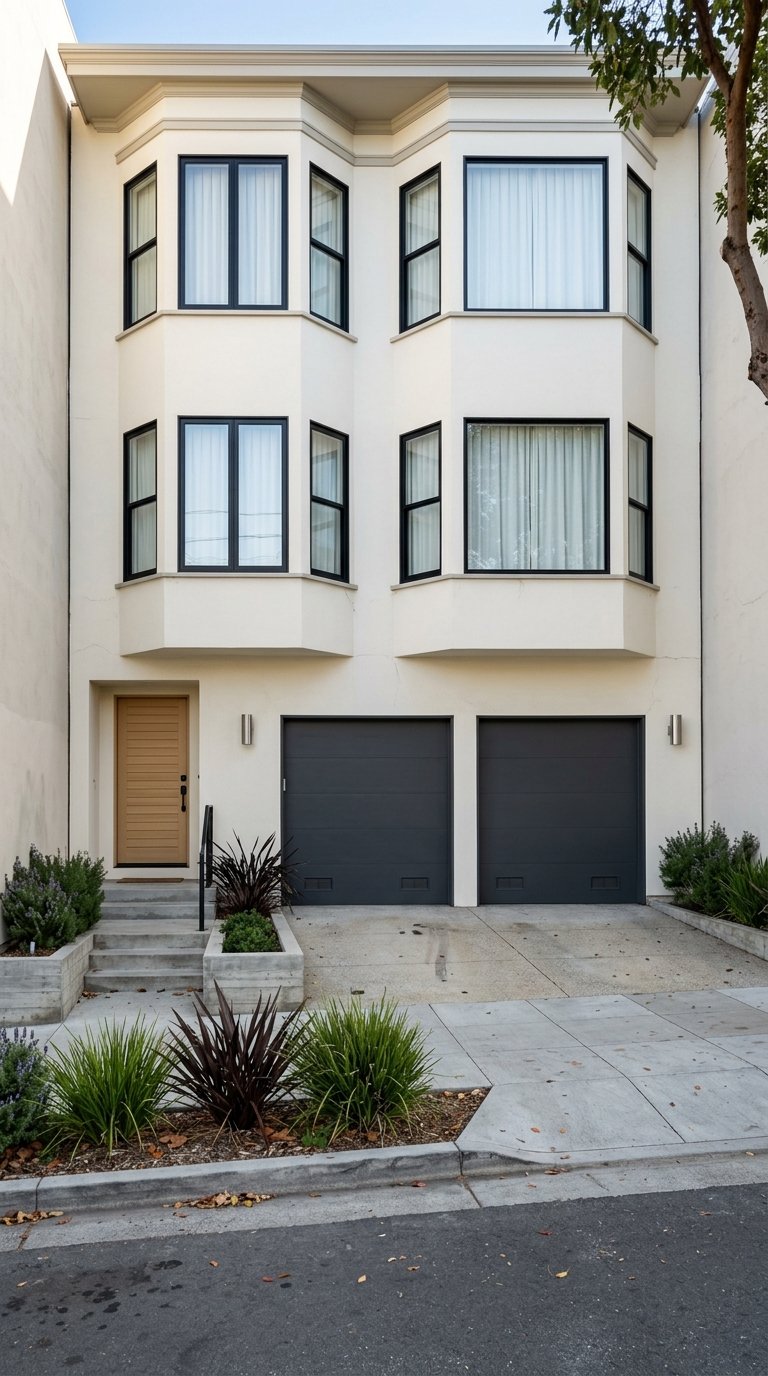
Planning documents describe parts of the area as having older one-story dwellings over garages, small cottages, and single-family flats over garages. That matters because many buyers looking for value are not shopping for new luxury construction. They are often comparing older homes with character, renovation potential, or layouts that may need updating.
For some buyers, that is an opportunity. For others, it means taking a realistic look at repair needs, design limitations, and the total cost of ownership before making an offer.
Condos, townhomes, and larger buildings
Bayview also includes condos, townhomes, and larger apartment buildings. If your first goal is simply getting into the market, a condo may provide a lower starting point than a detached house. If you are investing, the neighborhood’s mix of two-to-four-unit and larger multifamily stock may be appealing.
Supply growth has been steady, but not dramatic. San Francisco Planning recorded 77 units completed from new construction in 2023, with a net gain of 89 units in Bayview Hunters Point, suggesting gradual change rather than a sudden wave of inventory.
Transit and daily convenience
Bayview’s transit access is one reason many buyers keep it on their radar. The T Third Street line runs northbound to Chinatown and southbound to Bayshore and Sunnydale, with multiple stops serving Bayview Hunters Point.
For everyday life, that means you can reach SoMa, Mission Bay, downtown, and Chinatown without needing a car for every trip. SFMTA lists weekday T line service from 6 a.m. to 12 a.m. and weekend service from 8 a.m. to 12 a.m., with scheduled 10-minute weekday headways and 12-minute weekend headways during key periods.
Why transit matters for buyers and investors
For first-time buyers, transit can shape your quality of life just as much as square footage. If you want access to job centers and city amenities, Bayview’s rail connection can add practical value.
For investors, transit often supports broader renter and buyer appeal. That does not make every block equal, but it does make location near convenient access points worth paying attention to.
Where Bayview may offer value
Bayview tends to make the most sense for buyers who want a lower entry point than the citywide San Francisco market and are comfortable evaluating the neighborhood carefully. In many cases, the value conversation centers on older homes, flats-over-garage properties, and select condos or townhomes rather than top-tier new construction.
That can be a plus if you are willing to look past polished finishes and focus on fundamentals. Layout, lot, condition, and exact block can all have an outsized impact on value here.
Long-term upside to watch
Bayview’s longer-term story is tied in part to public investment and ongoing development. The southern half of India Basin Waterfront Park opened as part of a $200 million environmental justice investment, and city planning documents describe Hunters Point Shipyard as a future complete neighborhood and an economic catalyst for Bayview.
That does not guarantee outcomes for every property. Still, it helps explain why some buyers and investors see longer-term upside in the area, especially when paired with below-citywide pricing and transit access.
Risks to weigh carefully
A smart Bayview decision is rarely based on the neighborhood name alone. San Francisco Planning notes environmental justice concerns and land-use conflicts in parts of the area, especially around South Basin and Northern Gateway industrial areas.
This is why broad assumptions can lead you in the wrong direction. Two homes with similar specs can offer very different day-to-day experiences depending on block, surroundings, and nearby land use.
Why block-by-block analysis matters
Third Street is the neighborhood’s commercial spine, while industrial adjacency and underused land are more pronounced in some subareas. That means your experience can vary significantly within Bayview.
If you are buying your first home, that affects comfort, convenience, and resale potential. If you are investing, it affects rentability, future demand, and the kind of tenant or buyer profile a property may attract.
Is Bayview right for your first home?
Bayview may be a good fit if you want a lower purchase price than many other San Francisco neighborhoods, value transit access, and are open to older housing stock. It can also make sense if you are comfortable taking a practical view of condition, layout, and future upside instead of expecting turnkey perfection.
It may be less ideal if you want a highly uniform housing experience or prefer a neighborhood where property-by-property differences are less pronounced. In Bayview, careful selection is part of the process.
Is Bayview right for an investment?
Bayview may be worth serious consideration if you are looking for a lower basis than many other parts of San Francisco and want exposure to a neighborhood with a broad mix of housing types. Small investors may especially find the two-to-four-unit and multifamily stock useful.
The key is discipline. Because pricing varies so much by condition, property type, and location, your investment thesis needs to be specific. A good opportunity in Bayview is usually tied to the right building on the right block at the right price, not just the right zip code.
How to evaluate a Bayview property
If you are seriously considering Bayview, focus on the details that shape value most:
- Compare the property to similar homes or buildings in the immediate subarea, not just the broader neighborhood
- Look closely at condition and likely improvement costs
- Pay attention to transit access and daily convenience
- Understand nearby land uses and how they affect the block
- Consider how the property fits your timeline, whether that is long-term living, rental income, or resale potential
In a neighborhood like Bayview, local context can make a major difference. The more precise your analysis, the more confident your decision will be.
If you want help sorting through Bayview as a first-home buyer or investor, Oliver Burgelman offers hands-on, neighborhood-level guidance to help you evaluate opportunities with clarity and confidence.
FAQs
Is Bayview more affordable than other San Francisco neighborhoods?
- Yes. Recent data in the research report shows Bayview’s median sale price below San Francisco overall and below nearby neighborhoods like Portola, Visitacion Valley, and Excelsior.
Is Bayview a competitive market for first-time homebuyers?
- Yes. Redfin labels Bayview very competitive, which means first-time buyers should be prepared for a faster decision window when the right home comes up.
What types of homes can you find in Bayview?
- Bayview includes single-family homes, two-to-four-unit properties, smaller apartment buildings, larger multifamily buildings, condos, and townhome-style options.
Does Bayview have good transit access for San Francisco commuters?
- Bayview has T Third Street light rail service with access to areas including SoMa, Mission Bay, downtown, and Chinatown, which can reduce the need for a car on every trip.
Is Bayview a good neighborhood for small real estate investors?
- It can be, especially for buyers interested in two-to-four-unit or multifamily properties, but results depend heavily on the specific property, condition, and exact location within the neighborhood.