If you are searching for a San Francisco neighborhood where space still matters, sun is a real selling point, and long-term potential depends on more than hype, Bayview deserves a closer look. This is a part of the city where block-by-block differences can shape value in a big way, especially if you are buying with an eye on livability, renovation potential, or future resale. Understanding how housing type, transit access, and redevelopment fit together can help you make a smarter move. Let’s dive in.
Why Bayview Feels Different
Bayview is often discussed as Bayview Hunters Point in city planning and transit documents, but it does not function like one uniform neighborhood. SFMTA describes it as a collection of communities, with industrial land and Highway 101 creating real physical breaks between areas.
That matters because your experience can change from one pocket to the next. A sunnier block, a quieter residential stretch, or a location closer to transit can influence both day-to-day life and property value more than the neighborhood name alone.
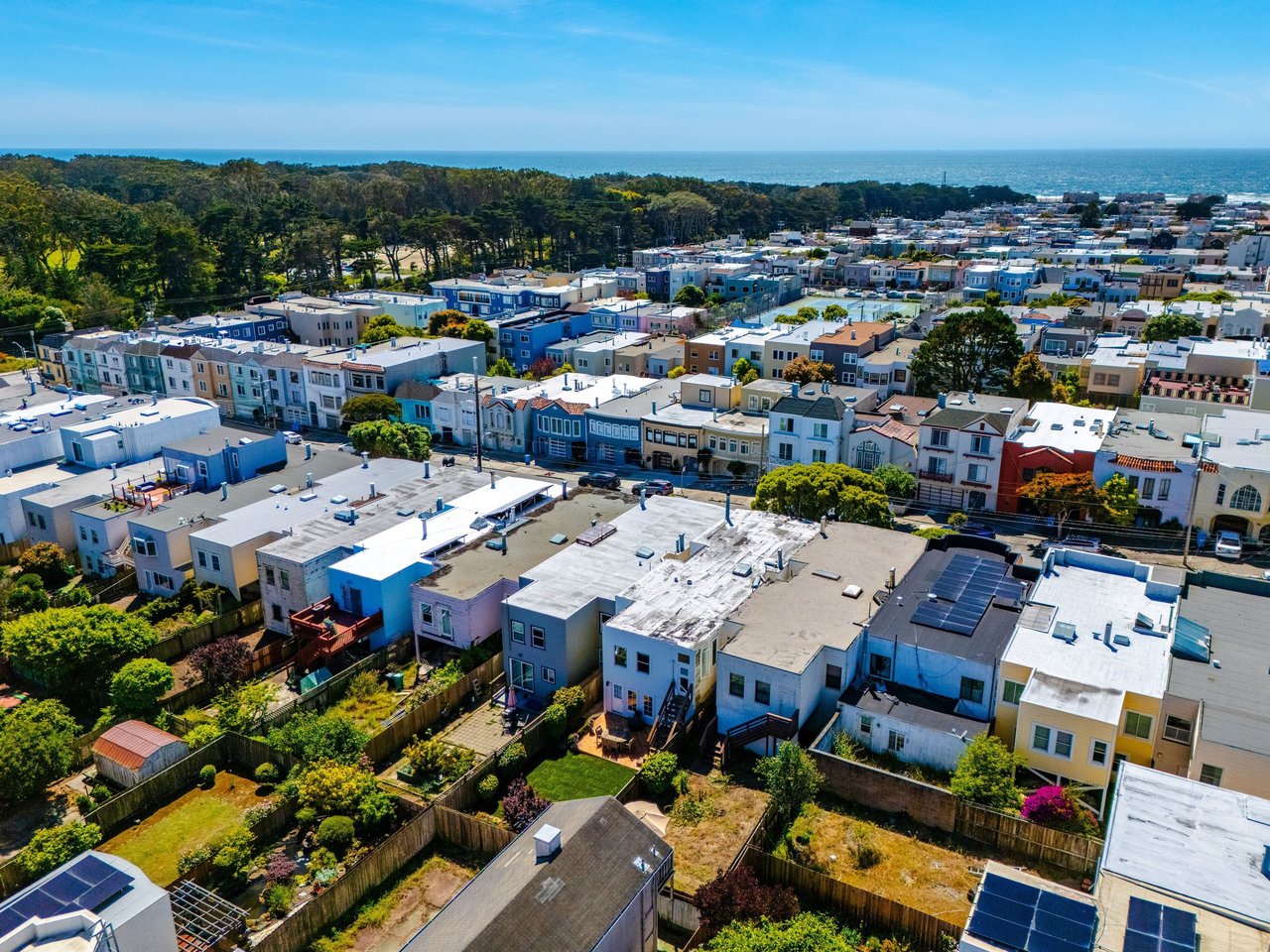
Bayview also stands out for something many San Francisco buyers notice right away: sunshine. SF Travel describes Bayview as the sunniest neighborhood in the city, and San Francisco’s General Plan notes that the Third Street corridor has a warm, sunny climate on most days.
Bayview Is a Micro-Market
One of the biggest mistakes buyers and sellers make is treating Bayview like a single price band or housing type. In reality, it is better understood as a micro-market made up of distinct pockets such as Central Bayview, Bayview Hill, Silver Terrace, Hunters View, and areas around Third Street.
That means two homes with similar bedroom counts can offer very different value depending on their block, lot, condition, and access. In Bayview, sun, space, transit, and adjacency often carry as much weight as the address itself.
For sellers, this is important when pricing a home. For buyers, it is a reminder that broad neighborhood averages only tell part of the story.
Housing Types Create More Options
Bayview offers a broader housing mix than many San Francisco neighborhoods. According to the 2024 housing inventory, Bayview Hunters Point has 13,296 housing units, including 5,846 single-family homes, 1,441 units in 2-to-4-unit buildings, and 5,432 units in buildings with 20 or more units.
That mix is a big reason Bayview attracts different kinds of buyers. You can find detached homes, smaller multifamily buildings, and condo-style options in the same broader area, which creates more entry points than neighborhoods dominated by one product type.
The General Plan also notes that about 43 percent of the housing stock was built before 1950. Much of that older stock consists of one-story homes over a garage, a layout that often appeals to buyers looking for future remodeling or expansion possibilities.
Bayview Price Ranges Are Wide
If you are trying to pin Bayview down to one number, the data says not to. Public market trackers show a meaningful spread depending on timing and data source.
As of early 2026, Realtor.com reports a median home sale price of $799,000, while Redfin reports a median sale price of $973,000. Realtor.com also reports 54 median days on market and a 100 percent sale-to-list ratio as of February 2026, while Redfin reports 79 median days on market and a 99.2 percent sale-to-list ratio as of March 2026.
Those numbers point to a market that is active, but not simple. Realtor.com classifies Bayview as a seller’s market, and Redfin describes it as very competitive, with 50 percent of homes selling above list price.
A sample of current listings helps explain why medians only go so far. Realtor.com shows examples ranging from the low $700,000s for some houses to multimillion-dollar outliers, including larger homes and properties with very different development or lot characteristics.
What the Price Spread Means for You
For buyers, the wide price band can be an opportunity. You may find a home with more square footage, more lot utility, or more renovation upside than you would in many other parts of San Francisco at the same price point.
For sellers, it means pricing strategy needs to be specific. A clean, well-positioned property on a strong block should not be measured only against neighborhood medians if the nearby competition tells a different story.
Transit Still Matters Here
Bayview’s long-term appeal is tied in part to access. In a neighborhood with physical barriers and varied street patterns, reliable transit can have an outsized impact on convenience and buyer demand.
SFMTA says the current T Third service runs from Sunnydale to Chinatown through the Central Subway, creating a more direct trip to SoMa, Union Square, and Chinatown while continuing to serve Bayview and nearby southeastern neighborhoods. For many buyers, that connection is not a small detail. It is part of how the neighborhood fits into the rest of the city.
If you are comparing Bayview blocks, proximity to useful transit can be a major factor. A home with better access to the T Third line may feel more connected in daily life and more resilient in future resale.
Development Is Part of the Story
Bayview’s long-term potential is also shaped by major development in and around the area. This is not just a neighborhood of existing homes. It is also a place where large-scale planning and public investment continue to influence the market.
The India Basin Mixed-Use Project at 700 Innes is planned to include about 1,250 dwelling units, up to 270,000 square feet of retail, and 15.5 acres of public open space. That kind of project can reshape how nearby areas are used and experienced over time.
Hunters Point Shipyard is another major long-term factor. San Francisco Planning describes it as a large shoreline site intended to become a complete neighborhood linked to Bayview, with Phase I planned for up to 1,600 residential units, about 30 percent affordable housing, and 25 acres of parks and open space.
The city’s affordable housing pipeline also continues to list projects such as Alice Griffith, Candlestick Point, Hunters Point Shipyard, and India Basin. In practical terms, future supply and redevelopment are still active parts of the market story.
Where Upside May Be Strongest
Not every block benefits equally from change. The strongest long-term upside is often more likely near transit-accessible streets and redevelopment-adjacent areas rather than spread evenly across the whole neighborhood.
That is why a local, property-level analysis matters so much in Bayview. If you are buying for appreciation potential, it helps to focus on specific location advantages, not just the larger neighborhood label.
Renovation Potential Is Real
Bayview has a long-standing value-add story that still matters today. The General Plan identifies close to 200 scattered vacant RH-1 and RH-2 sites and encourages infill housing and second units.
Combined with the older one-story-over-garage housing stock, that creates real opportunities for buyers who are open to improvements. Depending on the property, the upside may come from remodeling, creating an ADU, selective lot work, or rethinking an underused layout.
This is one reason Bayview continues to attract buyers who want more than a turn-key condo. In the right situation, improving the existing asset can be a bigger driver of value than waiting for broad neighborhood appreciation alone.
Why Resilience Should Be Part of Your Analysis
Bayview’s future is not only about growth and redevelopment. It is also about environmental resilience, especially in lower-lying and waterfront-adjacent areas.
San Francisco Planning’s Yosemite Slough strategy says Bayview Hunters Point is already vulnerable to stormwater and coastal flooding, sits on porous landfill, and faces projected sea-level rise of roughly 3 to nearly 7 feet by 2100. The same planning work notes that projects at Candlestick Point and Hunters Point Shipyard are required to use shoreline setbacks that respond to up to 5.5 feet of sea-level rise.
For buyers, this means flood exposure and site resilience should be part of due diligence. For sellers, it reinforces why a home’s exact location and physical characteristics can matter just as much as broader market momentum.
What Buyers Should Focus On in Bayview
If you are considering Bayview, try to evaluate each property through a practical lens rather than a headline-driven one. The most useful questions are usually about the asset itself and the block around it.
Here are a few of the biggest factors to weigh:
- How much sun does the property get?
- How easy is access to the T Third line and key routes?
- What is the housing type, and how does it compare with nearby inventory?
- Is there renovation, ADU, or infill potential?
- Is the property near major redevelopment areas?
- Are there resilience or flooding considerations tied to the location?
In Bayview, these details can tell you more than a citywide average ever will.
What Sellers Should Know About Positioning
If you own property in Bayview, strong positioning starts with accurate micro-market analysis. A detached home on a sunny block with useful lot space may appeal to a very different buyer than a condo near Third Street or a multifamily asset close to redevelopment corridors.
That is where a tailored strategy matters. Pricing, presentation, and marketing should reflect the home’s actual strengths, whether that is space, flexibility, transit access, or future upside.
For sellers, this also means avoiding generic comparisons. In Bayview, broad neighborhood comps can miss the details that drive real buyer interest and final sale price.
The Bottom Line on Bayview Real Estate
Bayview offers something many San Francisco buyers still want but struggle to find in one place: more space, more sun, and a wider range of price points. It also offers long-term potential, but that potential is not automatic or uniform.
The best opportunities tend to be specific. A well-located home with solid fundamentals, useful transit access, and clear improvement potential can tell a very different story from a property just a few blocks away.
If you are thinking about buying or selling in Bayview, the smartest next step is a neighborhood-level strategy built around the exact block, property type, and market conditions you are dealing with. If you want clear guidance tailored to your goals, connect with Oliver Burgelman for thoughtful, data-driven advice on Bayview and the wider San Francisco market.
FAQs
What makes Bayview real estate different from other San Francisco neighborhoods?
- Bayview stands out for its sunny climate, broader mix of housing types, and block-by-block differences in access, lot utility, and redevelopment influence.
What is the current Bayview home price range?
- Public data shows a wide range, with recent market trackers reporting median sale prices from $799,000 to $973,000 and active listings stretching from the low $700,000s to multimillion-dollar properties.
Why does transit matter in the Bayview housing market?
- The T Third line connects Bayview to areas including SoMa, Union Square, and Chinatown, so homes with better transit access may offer stronger daily convenience and resale appeal.
Are there renovation opportunities in Bayview properties?
- Yes. Bayview has older housing stock, scattered vacant residential sites, and planning support for infill housing and second units, which can create value-add opportunities on the right property.
What developments are shaping Bayview’s long-term potential?
- Major projects including India Basin, Hunters Point Shipyard, Candlestick Point, and Alice Griffith remain part of the area’s future supply and redevelopment story.
Should buyers consider flooding and resilience in Bayview?
- Yes. San Francisco Planning identifies parts of Bayview Hunters Point as vulnerable to stormwater, coastal flooding, and future sea-level rise, so location-specific due diligence is important.