If you're buying a condo in San Francisco or Marin, two line items will shape your monthly budget more than almost anything else: HOA fees and special assessments. They sound similar, they're often confused with one another, and they can quietly add hundreds of dollars a month, or a surprise five-figure bill, to the true cost of ownership. Here's how condo fees, HOA dues, and assessments actually work, what they typically cost locally, and exactly what to review before you write an offer.
Are Condo Fees and HOA Fees the Same Thing?
Mostly, yes. In a condominium, "condo fees" and "HOA fees" usually refer to the same monthly payment: the dues collected by the Homeowners Association to run the building. People use the terms interchangeably, so don't get tripped up if a listing says "HOA dues" and the disclosure packet says "condo fees." The one distinction worth remembering: a special assessment is not part of your regular dues. It's a separate, often one-time charge layered on top. We'll break that down below.
What Are HOA Fees? (What Your Monthly Dues Cover)
When you buy a condo, you're not just buying your unit, you're buying into a shared community. HOA fees are the monthly dues that fund the upkeep of common areas and shared services. They typically cover:
- ✓Landscaping and common-area maintenance
- ✓Exterior building repairs (roof, siding, paint)
- ✓Trash, water, or sewer service
- ✓Building (master) insurance
- ✓Amenities like gyms, pools, elevators, or security
- ✓Reserve contributions, money set aside for future big-ticket repairs
That last one matters most. A healthy reserve fund is what stands between you and a special assessment down the road.
Average HOA Fees for Condos in San Francisco & Marin
There's no single "average," fees scale with building size, age, and amenities. As a working guide for our local market:
Small buildings (2–6 units)
Common in condo conversions. Fewer shared systems, but also smaller reserves spread across fewer owners.
Mid-size buildings
More shared systems and services, with reserves spread across a larger ownership base.
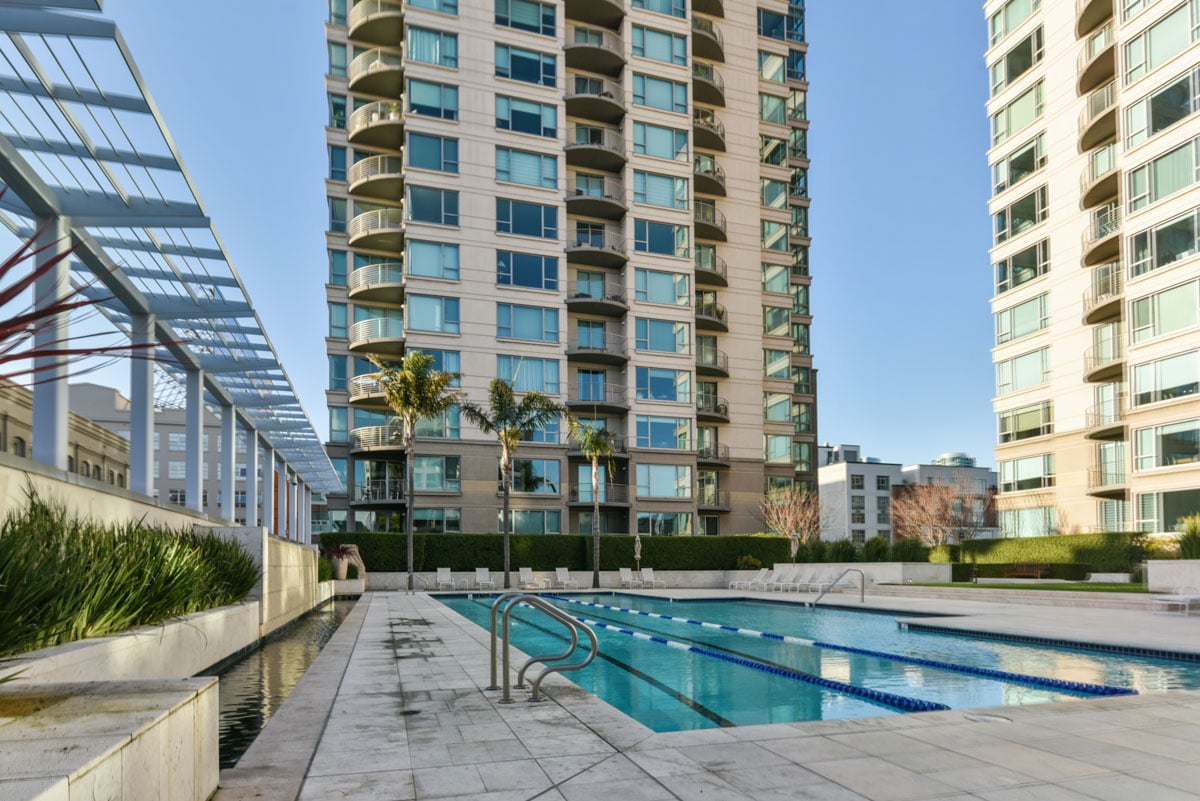
Full-amenity / luxury high-rises
Doorman, gym, valet, and concierge services drive higher monthly dues.
Stock cooperatives
Often the highest of all, because the monthly carrying charge can include the building's underlying mortgage and property taxes.
The headline number matters less than what it buys you. A $900 fee that includes water, insurance, a gym, and a fully funded reserve can be a better deal than a $400 fee on a building that's underfunded and heading toward an assessment.
HOA Fees vs. Special Assessments: What's the Difference?
The simplest way to think about it:
HOA Fees / Dues
Predictable and recurring. You pay them every month for ongoing operations.
Special Assessments
Extra charges the HOA levies when a major repair or improvement is needed and the reserve fund can't cover it. Can be a one-time lump sum or spread over several months.
Same association, very different impact on your wallet. Strong reserves keep assessments rare; weak reserves make them likely.
What Are Special Assessments? (And Why Buyers Get Surprised)
Common triggers for a special assessment include:
- Replacing a roof
- Modernizing or replacing an elevator
- Structural and balcony repairs, including those mandated by California's balcony-inspection law, SB-326, which is generating real assessments across Bay Area buildings right now
- Seismic retrofits or facade work
Assessments can run from a few thousand dollars to well into five figures per unit. The danger isn't the repair itself; it's buying in just before one is announced. That's why document review (below) is non-negotiable.
How HOA Costs Affect What You Can Afford
HOA dues don't just hit your monthly budget; they affect how much home you can buy:
- Mortgage qualification: Lenders fold HOA dues into your debt-to-income ratio. A higher fee directly reduces the loan amount you'll qualify for, sometimes by more than buyers expect.
- Resale value: High or rapidly rising fees make a unit harder to sell later.
- Lender scrutiny: Underfunded HOAs, pending litigation, or low owner-occupancy can complicate or even block financing on the building itself.
If you're still weighing the math on monthly carrying costs, it's worth running the numbers alongside your rent. See our breakdown on how to budget as a San Francisco buyer before you set your price range.
Buyer Strategy: Reviewing an HOA Before You Buy
Read the financials and reserve study
A reserve funded below roughly 70% is a yellow flag worth questioning.
Read the HOA minutes
Often the single most revealing document. This is where pending assessments, disputes, and looming repairs are discussed before they're formal.
Ask about pending assessments
Ask directly about pending or recent special assessments and any planned major projects.
Weigh fees against amenities
Higher dues can be justified if they replace costs you'd otherwise pay yourself (gym, insurance, security).
Work with an agent who reads packets daily
An agent who reviews these documents for a living can spot the red flags fast.
Frequently Asked Questions
Are condo fees and HOA fees the same thing?
What's the difference between HOA fees and a special assessment?
What is the average HOA fee for a condo in San Francisco?
Can high HOA fees affect my mortgage approval?
Are HOA dues and special assessments the same as a reserve fund?
Thinking About Buying a Condo in San Francisco or Marin?
I review HOA packets, reserve studies, and minutes with my buyers so there are no surprises. Let's talk before you write an offer.
Get In Touch