Mill Valley for San Francisco Commuters: A Buyer's Decision Guide
Mill Valley vs Sausalito: commute, housing stock, and lifestyle compared for the cross-bay buyer.
Mill Valley is the first Marin town most cross-bay commuters consider, and Sausalito is the second. They sit minutes apart on either side of the Golden Gate Bridge approach, share a buyer demographic, and look similar on a map, but they live very differently. Mill Valley offers a primarily single-family residential setting with deep trail access and a wider housing stock; Sausalito offers a more compact downtown, Bay-front character, and one of the only doorstep ferry commutes in Marin. The decision between them is rarely about which is better. It is about which set of trade-offs fits the way you actually live. This guide is the commuter-focused companion to the full Mill Valley neighborhood guide; for a side-by-side on Sausalito, see the Sausalito neighborhood guide. Both are spokes of the Marin market hub. Written by Oliver Burgelman, Vanguard Properties, San Francisco and Marin real estate broker since 2003.
Key takeaways
- Mill Valley and Sausalito are both close to the Golden Gate Bridge, but they offer very different housing stock, commute mechanics, and daily-life character
- Mill Valley's lead advantages are deeper single-family residential inventory and immediate access to Mount Tamalpais, Tennessee Valley, and the broader Marin trail network
- Sausalito's lead advantages are a doorstep ferry to the San Francisco Ferry Building, a more compact walkable downtown, and Bay-front character
- The price-per-square-foot premium between the two towns is real but smaller than between either of them and Marin's inland alternatives
- The decision usually comes down to four practical questions: how you commute, whether you want a yard, how much trail access you actually use, and what kind of weekday neighborhood you want to come home to
1. Why Mill Valley sits at the top of the cross-bay shortlist
For most buyers leaving San Francisco for Marin, the first question is geographic: how far north do I have to go to get the lifestyle change, and how far can I stay from the bridge to keep the commute manageable? Mill Valley sits roughly fourteen miles north of San Francisco, which puts it on the short list of towns where the commute math still works for office days that require physical presence.
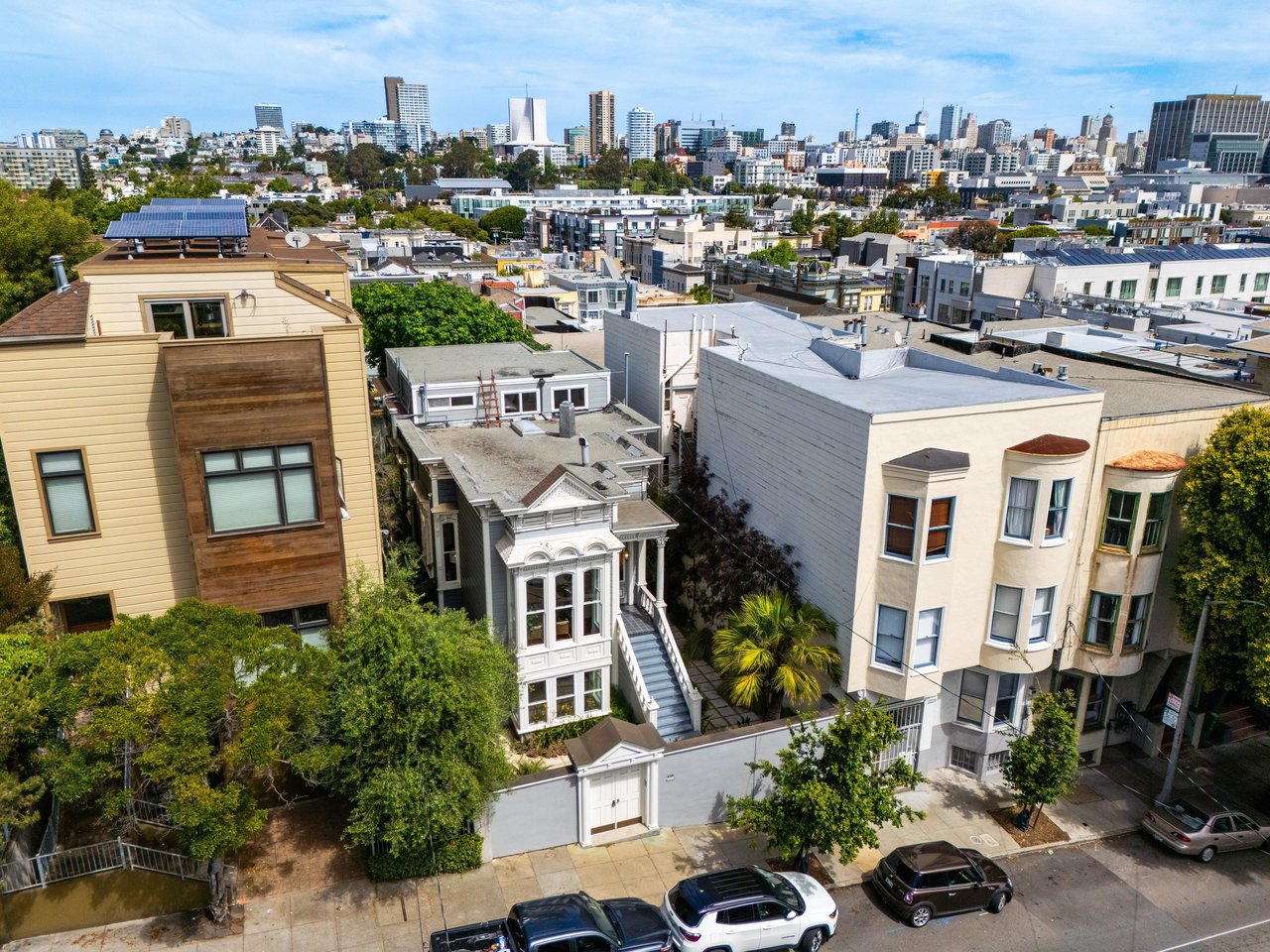
The Mill Valley housing footprint is mostly single-family residential, organized into distinct pockets that each have their own character: Old Mill near downtown, Sycamore Park, Cascade, the Homestead Valley flat, Strawberry on the Bay side of Highway 101, Almonte and Tam Valley toward the south, and the steeper hillside neighborhoods climbing toward Mount Tamalpais. Each one buys you a slightly different version of Mill Valley, and the right one for a given buyer depends on whether they prioritize walkability to downtown Throckmorton Avenue, trailhead access, Bay views, or a level lot.
For the deep neighborhood-by-neighborhood profile, see the full Mill Valley neighborhood guide. The focus of this page is the question that comes up before that: should you be looking at Mill Valley at all, or does Sausalito (or somewhere else) fit your commute and lifestyle better?
2. The commute from Mill Valley, honestly
Three real commute paths leave Mill Valley for San Francisco. Each one rewards a different work pattern.
Driving over the Golden Gate Bridge
The most direct option, and the one most Mill Valley commuters end up using at least part of the week. The bridge approach is six to eight minutes from most Mill Valley pockets, and the bridge itself runs all-electronic tolling southbound (no toll booth, no slow-down). FasTrak is the cheapest option, license-plate billing is somewhat higher, and carpool discounts apply during designated weekday commute hours. The carpool lane during those windows is meaningful; without it, the Waldo Grade approach from Mill Valley can back up significantly during peak times.
The honest version of driving from Mill Valley: it works beautifully off-peak, it is workable on a hybrid schedule with flexible start times, and it can be frustrating on a strict 9-to-5 office day, particularly southbound mornings and northbound evenings.
Bus transit (Golden Gate Transit and Marin Transit)
Golden Gate Transit operates direct commuter buses between Mill Valley and the San Francisco Financial District, with the route most commuters use boarding at the Manzanita Park & Ride lot near Highway 101. Marin Transit local routes connect the Mill Valley Depot downtown to Sausalito ferry terminal and the rest of Marin, which is useful for ferry-by-connection commutes and for buyers who don't want a second car. Schedules and route numbers shift over time; check Golden Gate Transit and Marin Transit directly when you are evaluating a specific commute window.
Ferry via connection (not a doorstep ferry)
Mill Valley is not itself a ferry terminal. The closest ferry options for a Mill Valley resident are the Sausalito Ferry (a short drive or bus ride down Highway 101, then a thirty-minute ferry to the San Francisco Ferry Building) and the Larkspur Ferry (further north, served by both Golden Gate Transit bus and a larger parking lot, with ferries running more frequently on commute days). If a daily ferry ride is central to how you want to commute, that is a real reason to look at Sausalito, Tiburon, or Larkspur first and Mill Valley second.
3. Mill Valley vs Sausalito: the comparison most cross-bay buyers actually weigh
Sausalito is the town a Mill Valley buyer most often considers second, and vice versa. They share the bridge-adjacent location, the proximity to San Francisco, and the premium Marin price point. They diverge on almost everything else.
Commute mechanics
Sausalito has the structural advantage on transit. The Sausalito Ferry runs from a downtown terminal directly to the San Francisco Ferry Building, with crossing times around thirty minutes and a frequency that supports a real commute. For a buyer whose office is anywhere walkable from the Embarcadero, a Sausalito ferry commute is one of the most pleasant in the entire region. Mill Valley has no doorstep ferry; the equivalent for a Mill Valley commuter is the bridge drive or the Manzanita bus.
Driving into San Francisco is similar from both towns. Sausalito is closer to the bridge by a few minutes, but both feed into the same Waldo Grade approach.
Housing stock
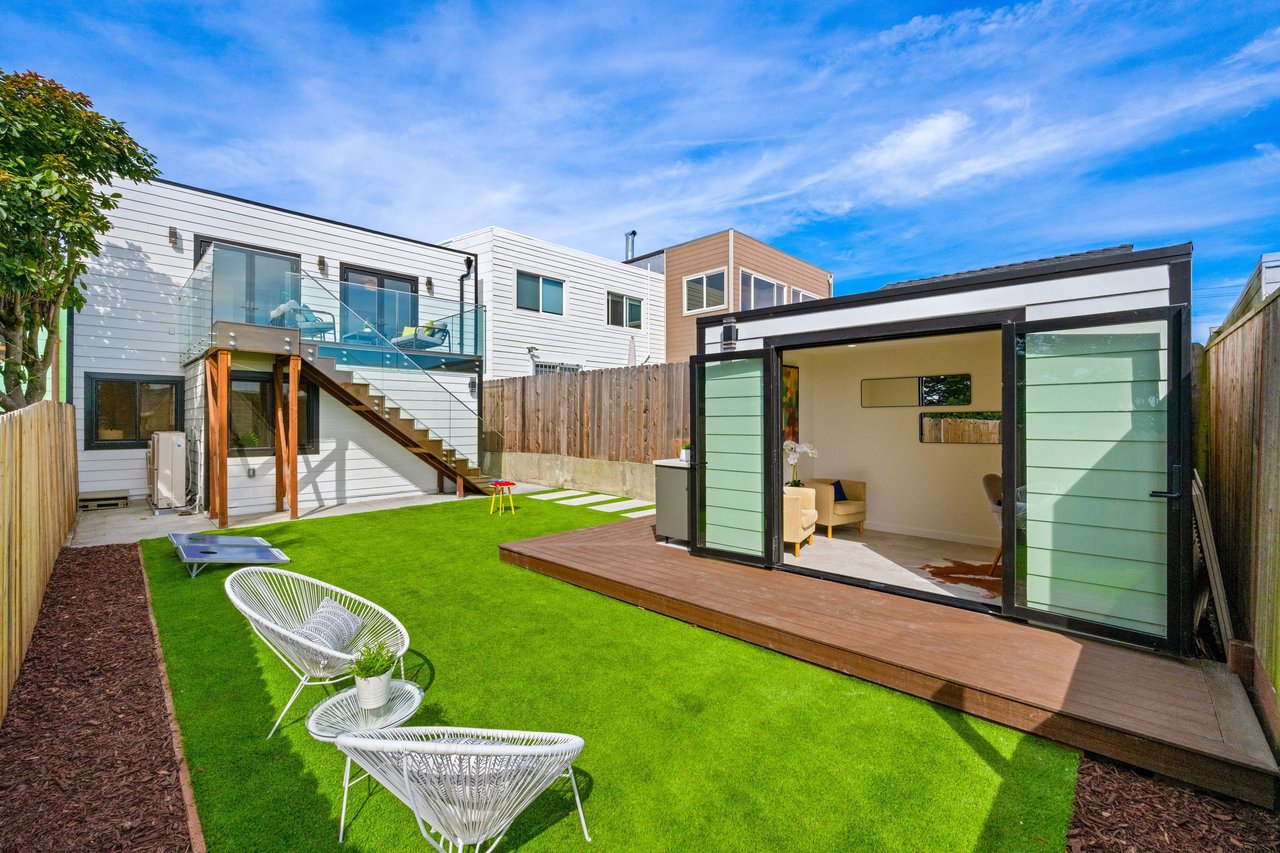
This is where the two towns diverge most clearly. Mill Valley is predominantly single-family residential, with detached homes on lots of varying sizes spread across the pockets named above. Buyers can find everything from a 1,200 square foot Old Mill cottage to a 4,000 square foot view home on the Mount Tamalpais hillside. Sausalito is more compact: less single-family inventory, more condos, more hillside flats and small attached units stepped into the slope above Bridgeway. If you want a yard, a private outdoor space, and a more spacious detached home in this part of Marin, Mill Valley has meaningfully more options. If you are coming from a San Francisco condo and want to maintain a similar footprint with a different setting, Sausalito's housing stock can fit cleanly.
Pricing
Both towns price at the premium end of Marin. The gap between them is smaller than the gap between either of them and Marin's inland alternatives. Sausalito condos and smaller detached homes can come in below Mill Valley equivalents, particularly on the hillside flats with limited outdoor space. Mill Valley's larger detached homes with yards, view positions, or proximity to downtown Throckmorton Avenue command its highest prices. The honest framing is that you are choosing between two premium markets, with the specific home and the specific block mattering more than the town name on the listing.
Day-to-day character
Mill Valley feels like a town. Downtown Throckmorton Avenue and the Lytton Square area anchor a small commercial core with the Mill Valley Market, Equator Coffee, Sweetwater Music Hall, and a tight cluster of restaurants and shops. The rest of the town spreads into the named pockets, each with its own quieter residential feel. Trail access is the defining everyday amenity: Mount Tamalpais, Tennessee Valley, the Dipsea, Cascade Canyon, and Old Mill Park are all minutes from most Mill Valley homes.
Sausalito feels like a Bay-front village. Bridgeway runs along the waterfront with a denser concentration of restaurants, galleries, and tourist traffic on weekends. The residential character is hillside flats and houses stepped above the commercial corridor, with strong Bay and city views and a meaningfully smaller direct trail network than Mill Valley. Caledonia Street, a few blocks inland from Bridgeway, anchors a quieter local-resident commercial pocket.
The honest summary
Mill Valley wins on housing variety, outdoor access, and the small-town residential feel. Sausalito wins on the ferry, the immediate Bay-front character, and the option to live closer to a condo footprint than a single-family one. Neither is the wrong answer; they are answers to different questions.
4. The Mill Valley commuter premium, evergreen
Mill Valley pricing carries a real premium over Marin's inland towns. The premium is not arbitrary; it is what the market charges for the specific combination Mill Valley offers, which no other Marin town offers in quite the same form.
What you are paying for, in order of how much each typically contributes to the premium:
- Proximity to the bridge. Every minute of commute distance from the Golden Gate Bridge prices into Marin real estate, and Mill Valley is at the short end of that distance. This is the single largest driver of the premium versus inland alternatives
- Immediate trail and Mount Tamalpais access. Tennessee Valley, the Dipsea, Cascade, and the broader Mount Tam network are minutes from most Mill Valley homes. Buyers who actually use these trails (not just visit them) treat this access as a material part of why they bought here
- The downtown character. A walkable downtown with a real local-resident base (not just weekend tourists) is rarer in Marin than it sounds. Mill Valley has it; many comparable-priced Marin towns do not
- School-district assignment. Homes in Mill Valley fall within the Mill Valley School District and the Tamalpais Union High School District. District boundaries and enrollment policies change, so verify current assignment for any specific address with the districts directly
- The microclimate trade-off. Mill Valley sits in a redwood-shaded basin that runs cooler and damper than central Marin towns. Some pockets see noticeably less direct sun than buyers expect. This is the one factor that buyers regularly underestimate before they buy and re-weight after
Understanding what drives the premium matters because it also tells you when the premium is worth paying and when it is not. A buyer who will not use the trails, does not need downtown walkability, and has flexible work-from-home patterns may get most of what they want for less in San Anselmo or Sun Valley in San Rafael. A buyer who treats trails as part of their weekly rhythm and wants the closest premium Marin connection to San Francisco usually finds Mill Valley worth the spread.
5. Where else to consider if Mill Valley does not fit
A few alternative Marin towns belong on the cross-bay commuter's shortlist alongside Mill Valley and Sausalito, depending on what is driving the search.
- Sausalito: the doorstep-ferry option, with a more compact downtown and meaningfully different housing stock
- Tiburon and Belvedere: a doorstep ferry from Tiburon to San Francisco, more single-family inventory than Sausalito, and significant view real estate. Pricing runs at the highest end of Marin
- Larkspur and Corte Madera: Larkspur ferry access for the commuter who wants a doorstep boat, with more inland residential character and a different price point than Sausalito or Tiburon
- San Anselmo: a meaningfully more inland feel, established central-Marin downtown, mixed housing stock, and a step down on price-per-square-foot from Mill Valley
- Sun Valley in San Rafael: further north, mid-century single-family housing stock, and an entry point into Marin ownership well below the bridge-adjacent premium
- The Dominican neighborhood: heritage residential character anchored by Dominican University, with a quieter pace than central Mill Valley
The full county-wide picture lives on the Marin market hub.
How I work with cross-bay commuter buyers
The Mill Valley buyer I usually meet is six months into a cross-bay search that has not converged. They are tired of weekend opens. They have toured five different Marin towns. They have written one offer that did not win and another they pulled before submitting. They cannot tell whether the problem is the market or themselves.
The first call is rarely about a specific home. It is about clarifying which two or three towns actually fit, and which they have been looking at out of habit. For most cross-bay buyers, the honest answer is two towns, not five. Mill Valley and Sausalito are the two most often, but the right pair depends on the commute, the budget, the household configuration, and whether trail access is part of weekly life or a once-a-month thing.
Once the two-town frame is right, the pace changes. We tour fewer homes, but the homes we tour matter. We read the disclosure packages together before the offer date. We talk to the listing agents on the homes that are real possibilities. We write offers that are clean, well-positioned, and grounded in a number we both believe in. The buyers who buy in Mill Valley after six months of looking are usually the ones who narrowed the search, not the ones who toured harder.
If you are in the wandering phase of a Marin search, the right next step is a conversation that gets you to two towns. From there, the path to closing usually compresses.
Is Mill Valley the right Marin town for you?
The honest answer requires a conversation, not a calculator. A short call is the right way to talk through your commute pattern, your housing priorities, your budget, and which two Marin towns you should be looking at seriously.
A short conversation is the right first step
We will talk through your commute, your shortlist, the housing footprint you are actually looking for, and which Marin towns belong on your tour list this month.
Frequently asked questions
Is Mill Valley a good choice for San Francisco commuters?
Should I choose Mill Valley or Sausalito?
Does Mill Valley have direct transit to San Francisco?
Can you take a ferry from Mill Valley?
What types of homes are typical in Mill Valley?
How competitive is the Mill Valley market for buyers?
What's the trade-off of Mill Valley's microclimate?
"Oliver is extremely down to earth and enjoyable to work with will maintaining an exceptional level of professionalism. If you want someone who can take care of business and is a joy to spend time with, Oliver is your guy!"
Jason F. • Buyer represented
About the author

I've worked San Francisco and Marin real estate exclusively for over twenty-three years, with offices on both sides of the Golden Gate and a home in Marin. Cross-bay commuter buyers are a meaningful share of my Marin work; I've walked Throckmorton Avenue, the Sausalito waterfront, and the Tiburon ferry terminal with enough buyers to know how each option actually fits a real weekly schedule. The right Marin town is almost never the first town a buyer toured; the right Marin town is the one the buyer keeps coming back to after the third week of looking. If you are in that phase of a search, a short conversation is the right first step.